
Pools & Spas in Colorado City
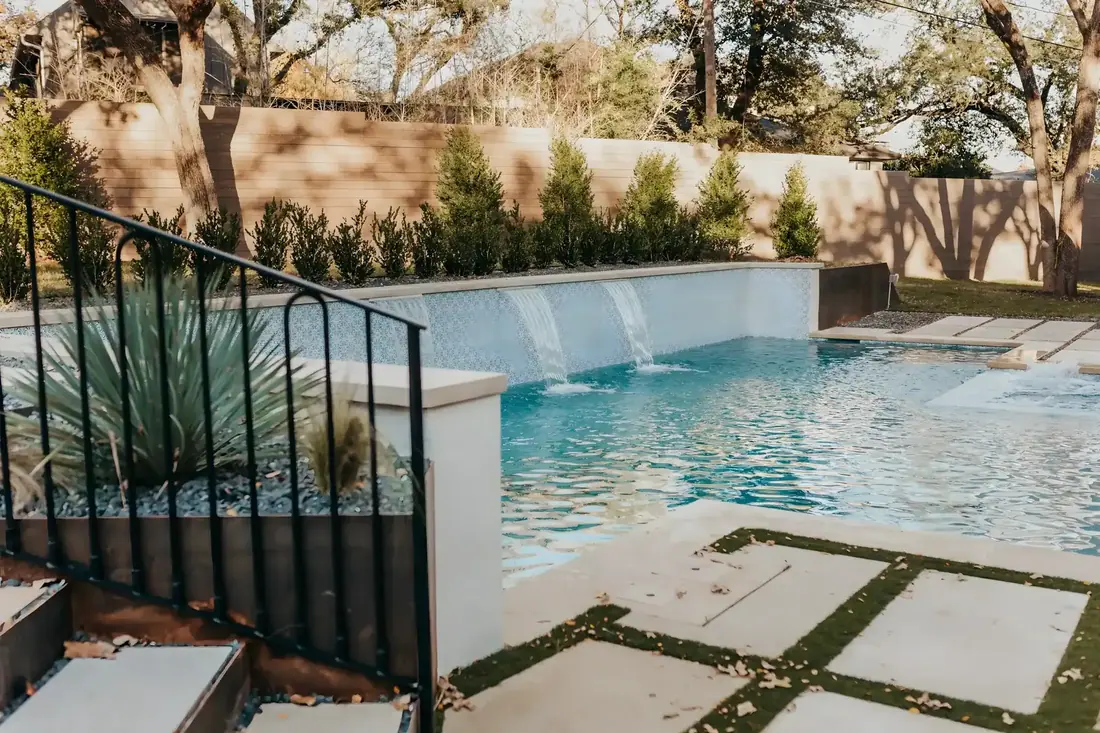
Gunite pools and spas planned with the deck, shade and kitchen.
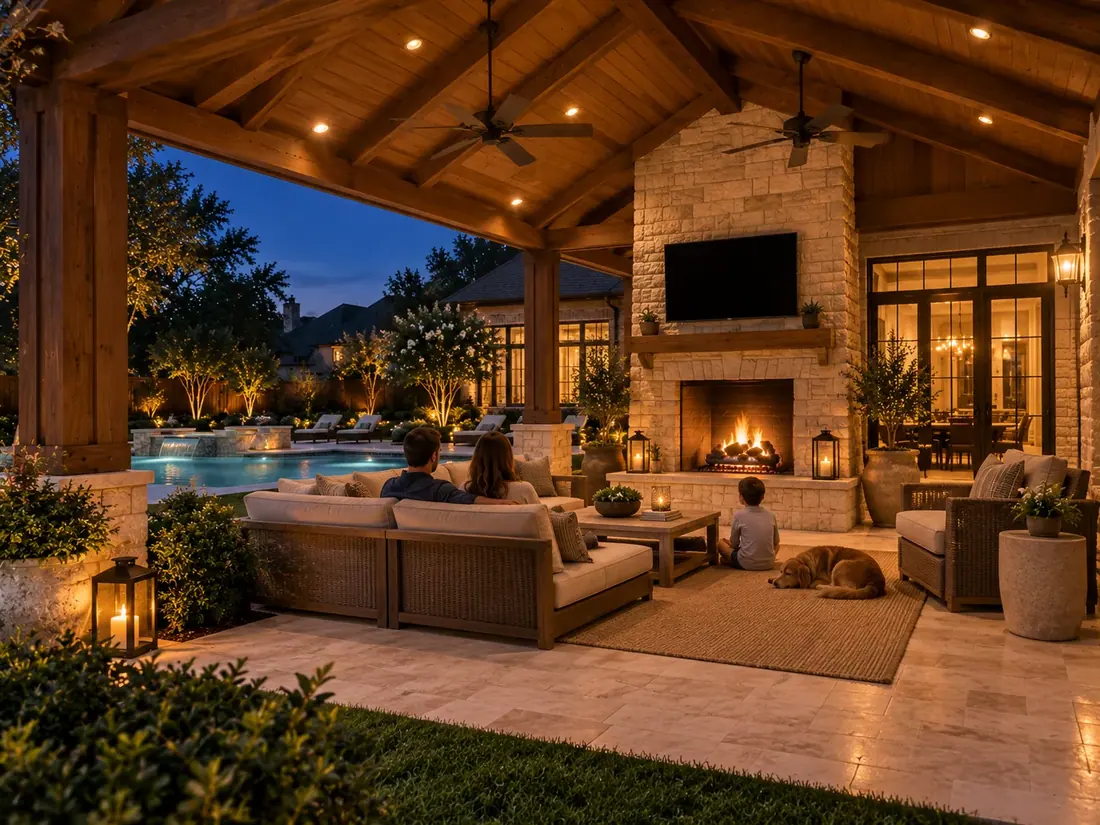
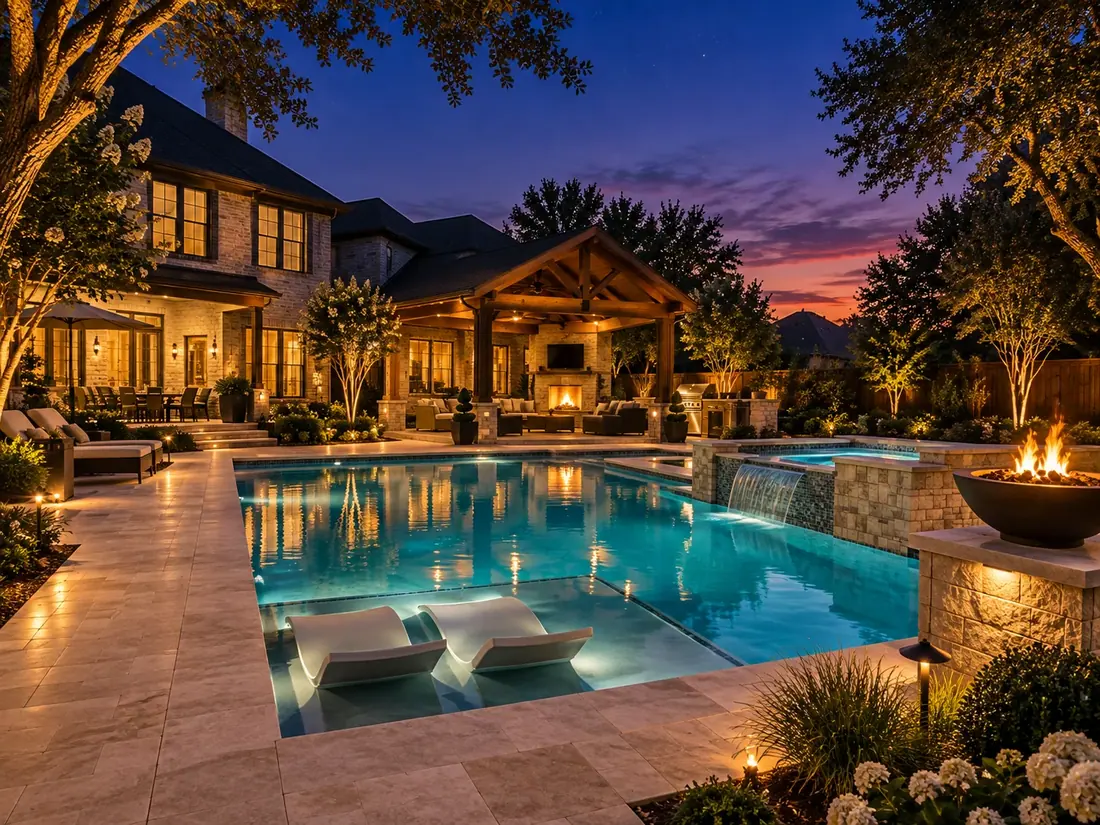
Outdoor living is the covered patio, pool, kitchen, stone and lighting that make a backyard part of the home. Longhorn designs and builds them together for Colorado City homeowners in Mitchell County, with one family-owned team.

Colorado City, the seat of Mitchell County, stands on the Colorado River and Lone Wolf Creek, thirty-eight miles east of Big Spring and twenty-three miles south of Snyder. It began as a ranger camp in 1877.
That ground decides how a slab, a pool shell or a footing has to be built here. Here is what it does to a patio.
We file the permit with the city or county office that covers Colorado City and follow it through review, so the schedule doesn’t stall on paperwork.
Longhorn has been building since 1984, and every project starts with a free design visit and a firm price.
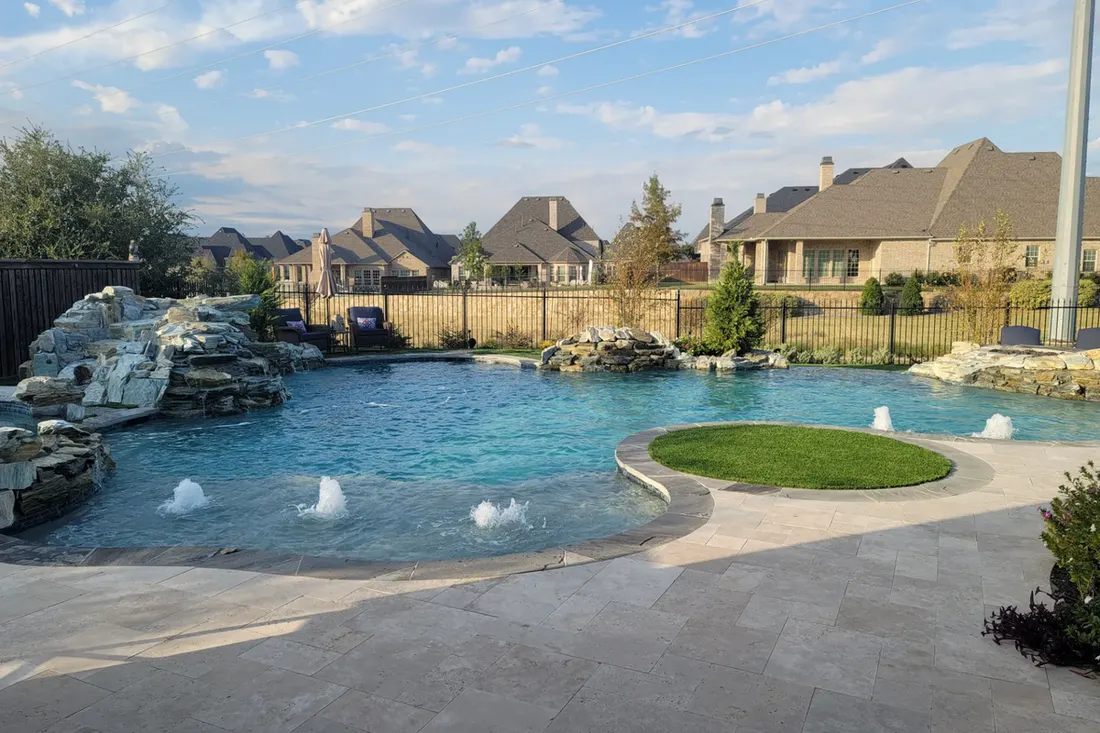
Gunite pools and spas planned with the deck, shade and kitchen.
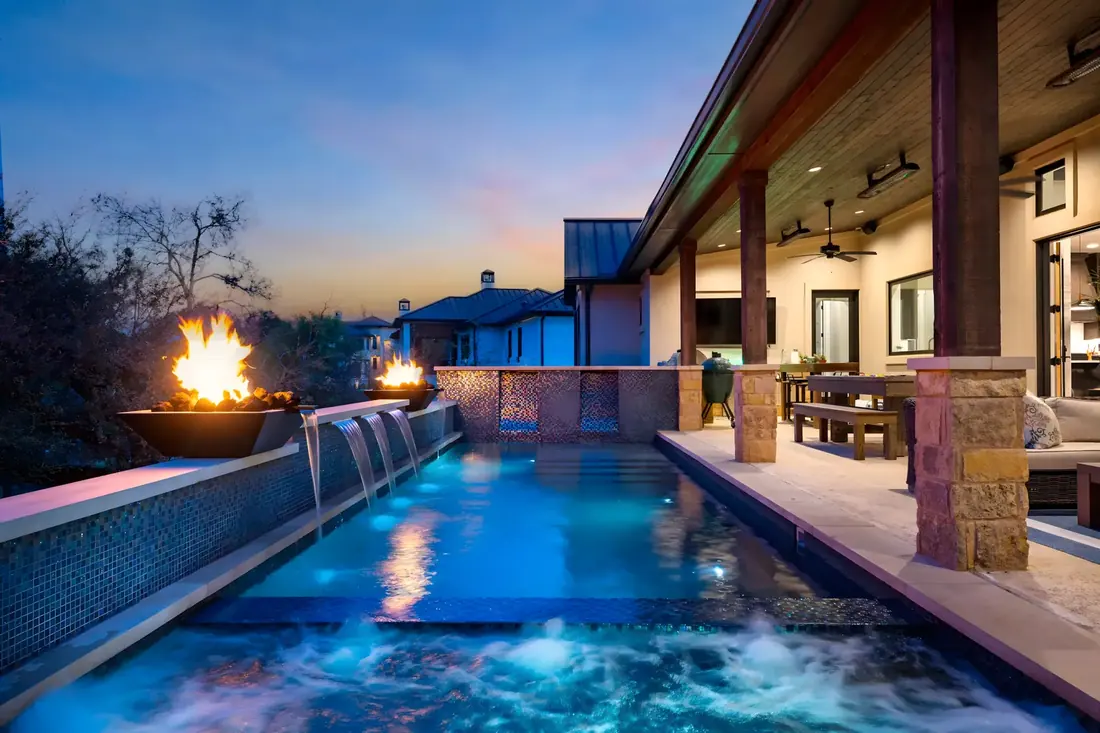
Stone islands, built-in grills, fridges and a real vent hood, under cover.
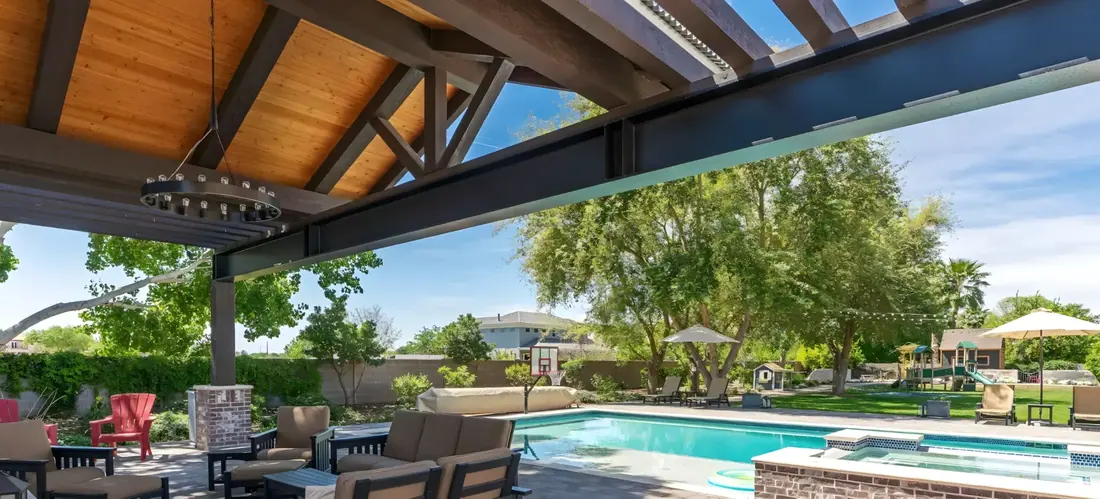
Solid-roof shade over the patio. It’s the simplest way to use it year-round.
Fixed or louvered, built to your slab, the yard’s centerpiece.
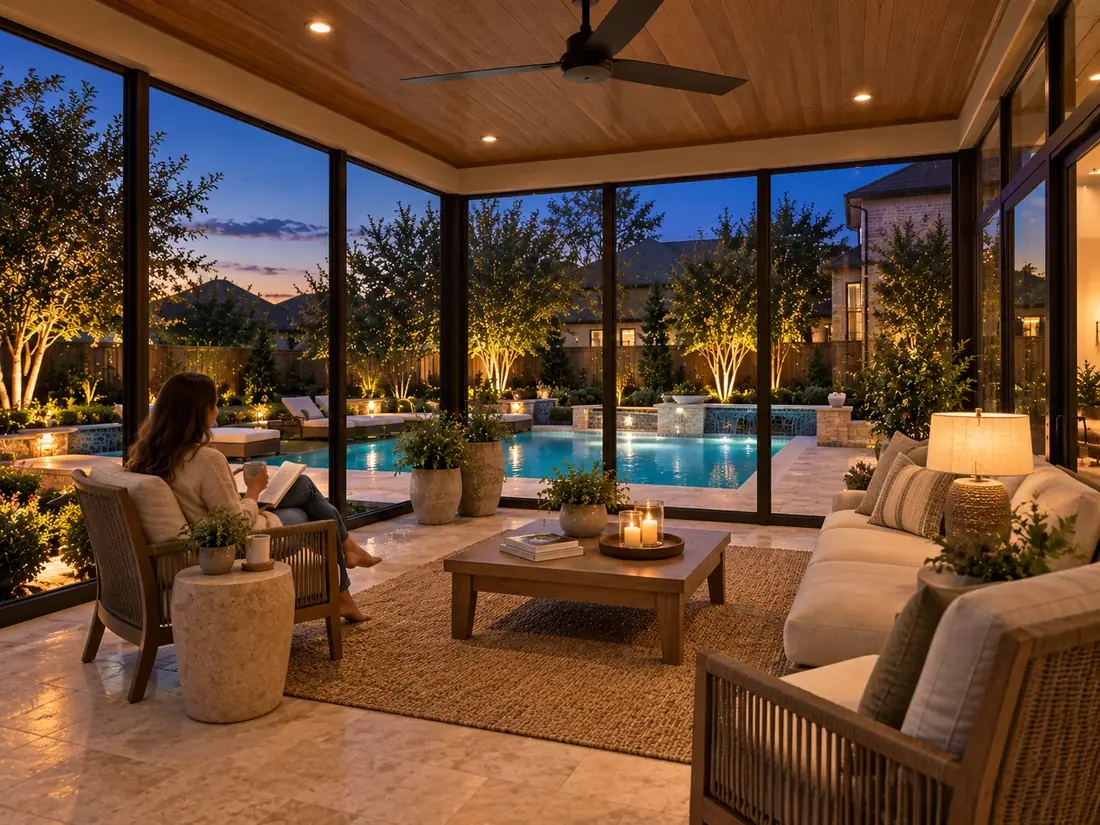
Glass walls under a solid roof. Real square footage, light all day.
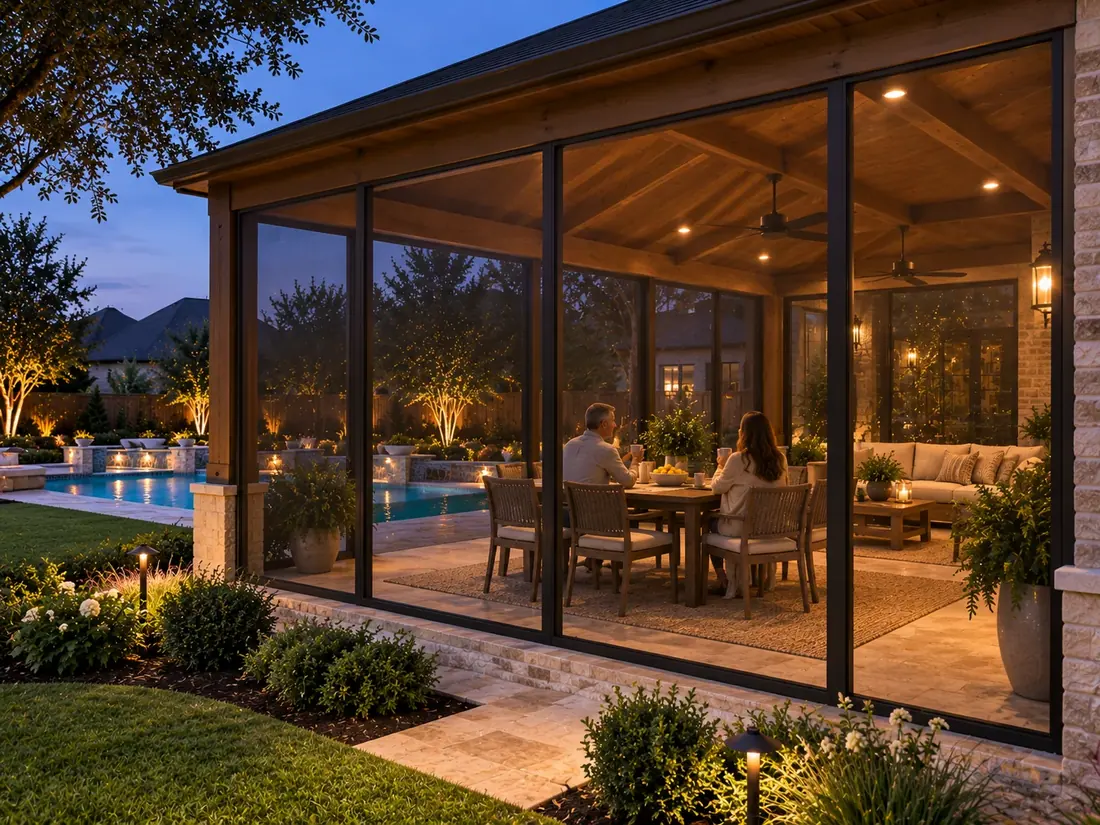
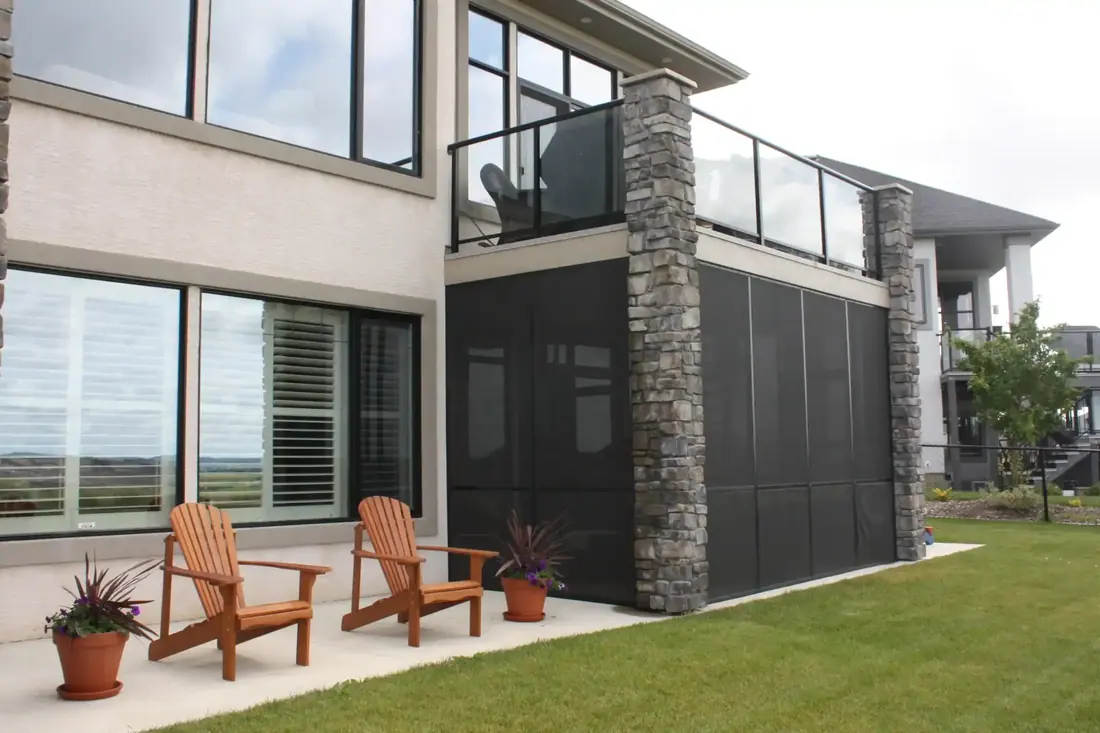
Screened rooms: the breeze and the view, none of the mosquitoes.
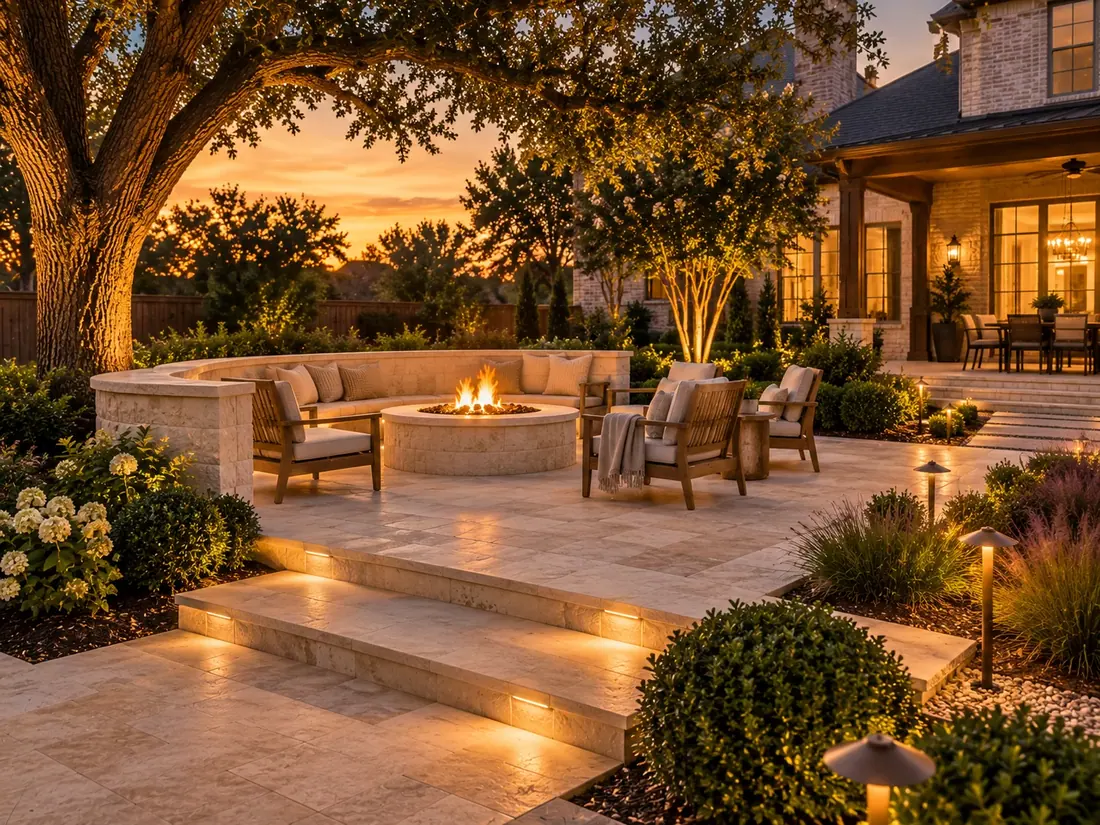
Travertine, pavers, seat walls and fire pits, with drainage solved first.
Water-wise planting, irrigation and lighting for North Texas.
Called the Mother City of West Texas, the town became county seat in 1881 and gained a Texas and Pacific Railway station that year. Prince A. Hazzard was the first postmaster when the post office opened in 1881.
Older homes near the courthouse in Colorado City often look best with a porch extension or patio roof that copies the original pitch and trim.
Mitchell County covers 912 square miles of prairie at 2,004 to 2,616 feet, with the Callahan Divide crossing its southern part. Rainfall averages 19.68 inches a year, and the growing season lasts 217 days.
Water comes from the City of Colorado City, which draws on groundwater.
Ranchers drove herds to the railhead from as far north as Amarillo and as far south as San Angelo, and between 1881 and 1884 the town’s saloons grew from five to twenty-eight. After a drought slowed the boom, the population stood at 2,500 in 1890. Salt mining mattered in the 1890s, and a second boom from 1900 to 1906 brought farmers and a population of 3,000.
Local investors organized an oil and gas company in 1916, and the Col-Tex Refinery opened in 1924. The town had 5,213 residents in 1940 and 6,774 in 1955. Lake Colorado City was built in the late 1940s and Champion Creek Reservoir in 1959. The refinery closed in 1969, and by 2000 the population was 4,281, with 234 businesses.
NOAA’s Storm Events Database lists 55 hail reports in Mitchell County from 2016 to 2025, 52 of them an inch across or larger, with stones up to 2.75 inches. 25 of those reports were logged at Colorado City itself, the largest 2.75 inches. The same records show 35 damaging thunderstorm wind reports, with gusts up to about 115 mph, and 2 tornadoes. That is why a patio cover’s roof panels, fasteners and posts here are chosen for hail and wind, not only for shade.
Rolling Plains clay swells when it is wet and shrinks when it dries, and a pool shell is a rigid object sitting in it. The shell, its bond beam and the deck are designed for that movement, and the deck is graded so rain runs away from the pool and the house. In Colorado City the permit goes through the city or county office that covers Colorado City, and Longhorn files it and follows it through inspection. More on pools.
On Rolling Plains clay a patio cover’s footings carry the whole structure, and the top of the clay is the part that moves most. Footings are taken below that movement and the slab is graded away from the house, so the roofline stays true as the ground wets and dries. In Colorado City the permit goes through the city or county office that covers Colorado City, and Longhorn files it and follows it through inspection. More on patio covers.
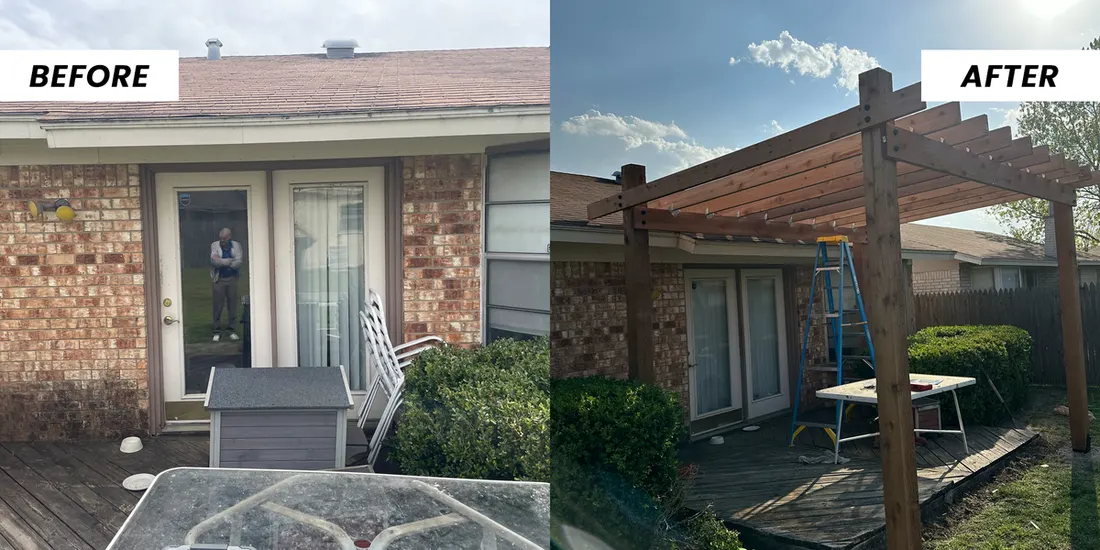
A pergola on Rolling Plains clay stays square only if its posts sit below the ground that moves. The footings go deeper than the seasonal swell and shrink, and the grade around each post sheds water instead of holding it. More on pergolas.
A sunroom or screened enclosure in Colorado City is attached to the house, so it is permitted through the city or county office that covers Colorado City and sits on footings designed for the ground under it. We match the roofline and the exterior to the house so it reads as part of it. More on sunrooms and patio enclosures.
Almost always, for pools and for anything attached to the house, including patio covers, sunrooms and enclosures. Longhorn files the permit with the city or county office that covers Colorado City and handles the inspections, so the schedule does not stall on paperwork.
Colorado City sits on Rolling Plains clay ground in Mitchell County. The ground decides how a slab, a pool shell or a footing has to be built, so we plan the drainage and the footings for it at the first visit rather than after something moves.
Tell us what you have in mind and we’ll come measure, talk options and give you a straight number. No obligation, no pressure.
Call (972) 534-27164.8 on Google from 22 reviewsFamily-owned since 1984