

Patio Covers and Patio Roofs in Dallas–Fort Worth
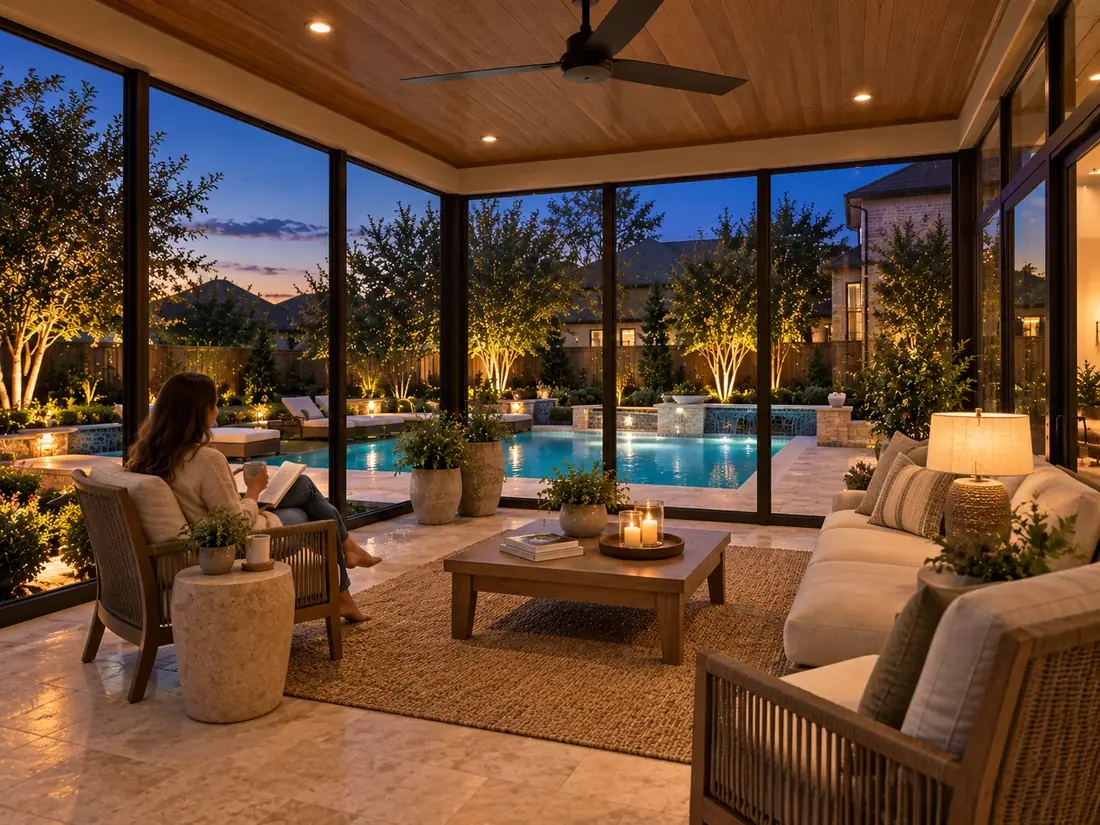
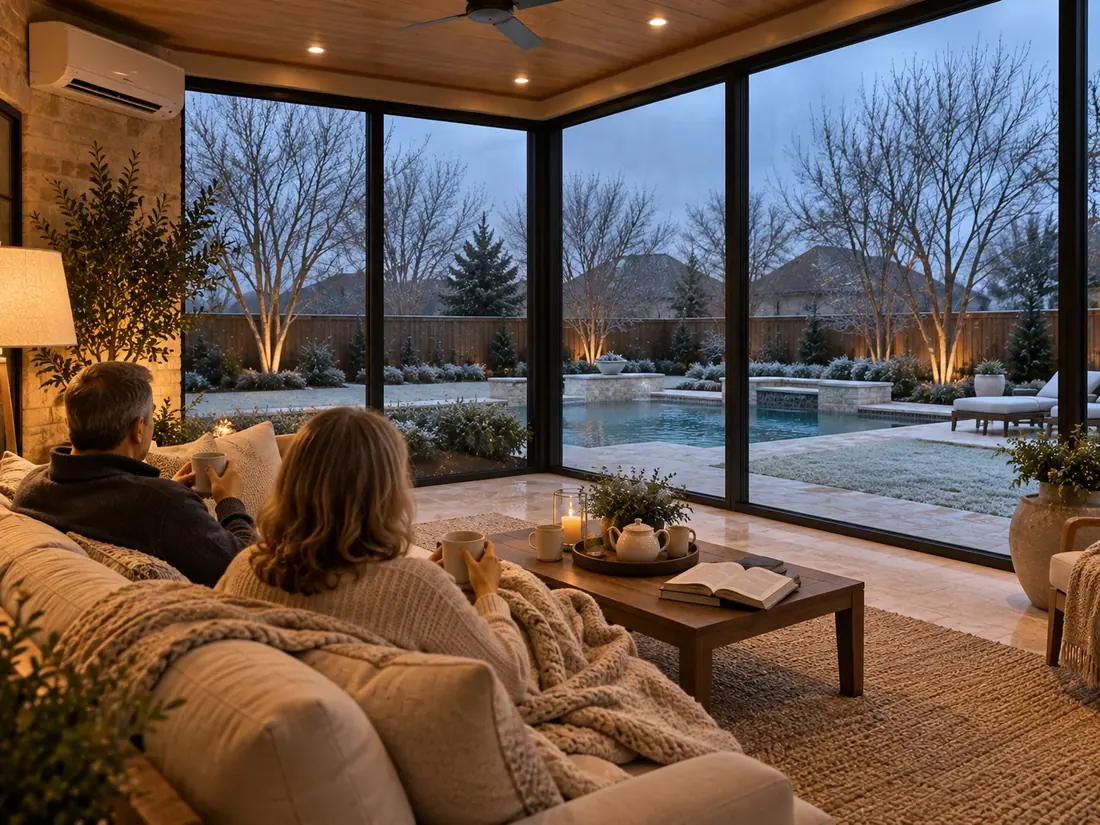
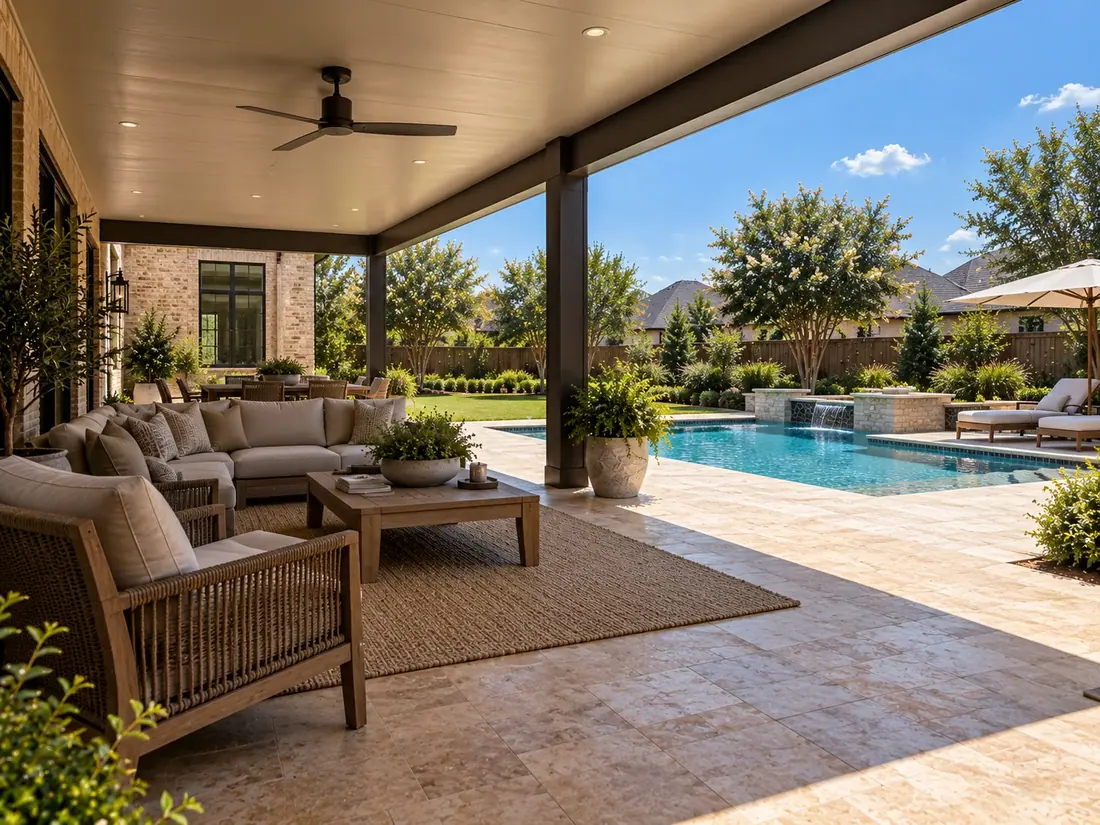
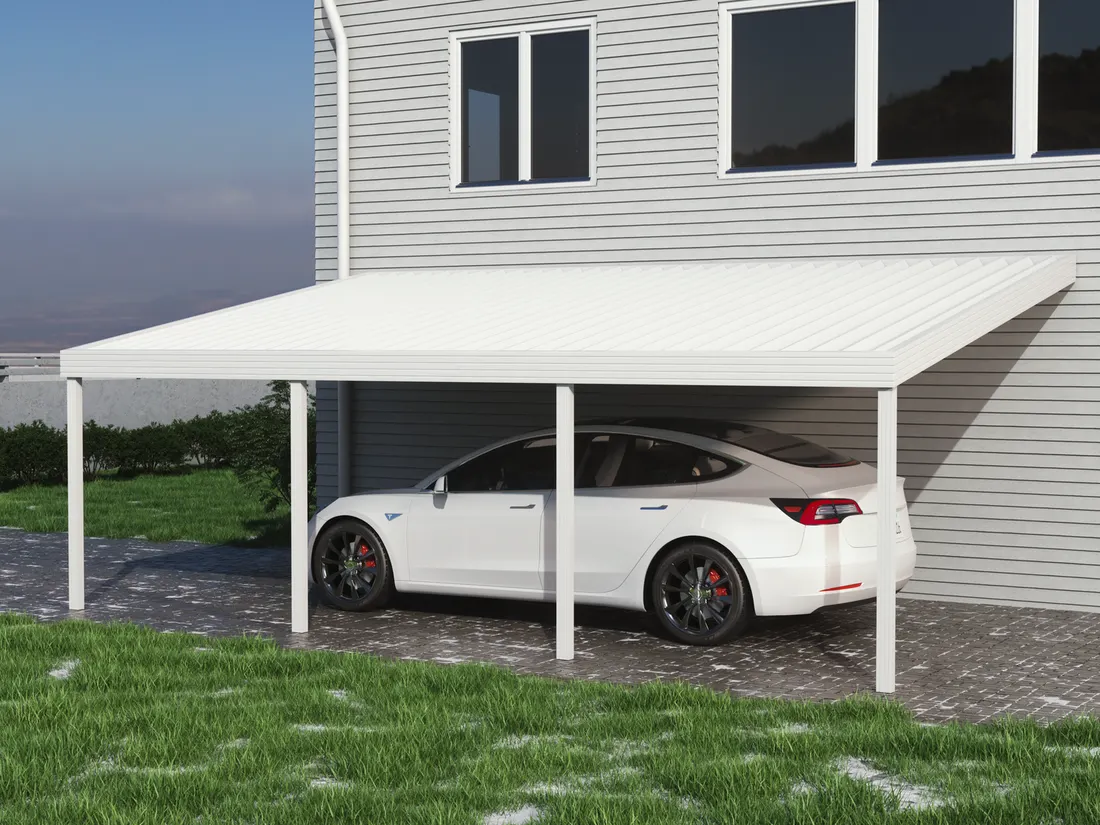
A patio cover is a solid roof built over a patio, carried on posts with their own footings and tied into the existing roofline, that keeps sun and rain off the space underneath. Longhorn builds solid and insulated covers across Dallas–Fort Worth, engineered for Texas storms and designed to look original to the house.
- 40+Years in Business
- 15,000+Projects Completed
- 1984Family-Owned Since
- 90DFW Cities Served

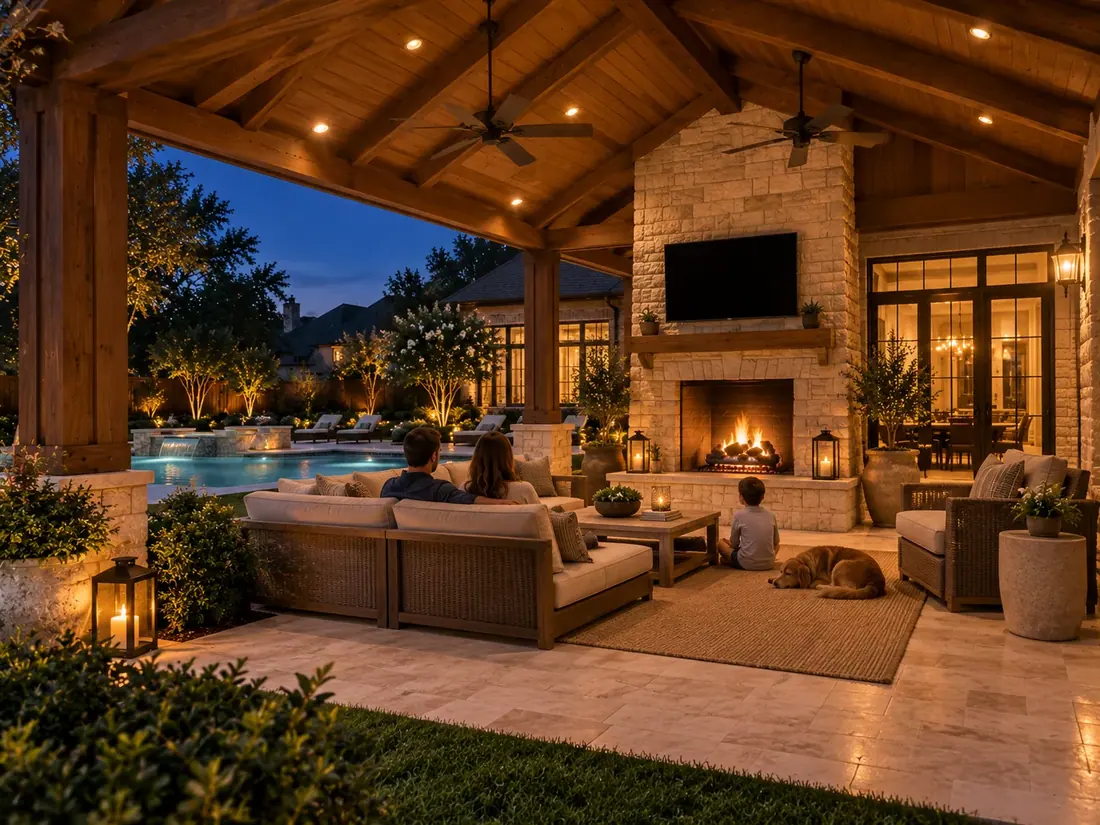
What’s in Longhorn’s Patio Roofs & Covers?
A cover turns a slab that sits empty all summer into a space you use most of the year. The details that matter most are the ones you can’t see once it is built: footings sized for the clay, framing designed for wind, and a clean tie-in to the roof.
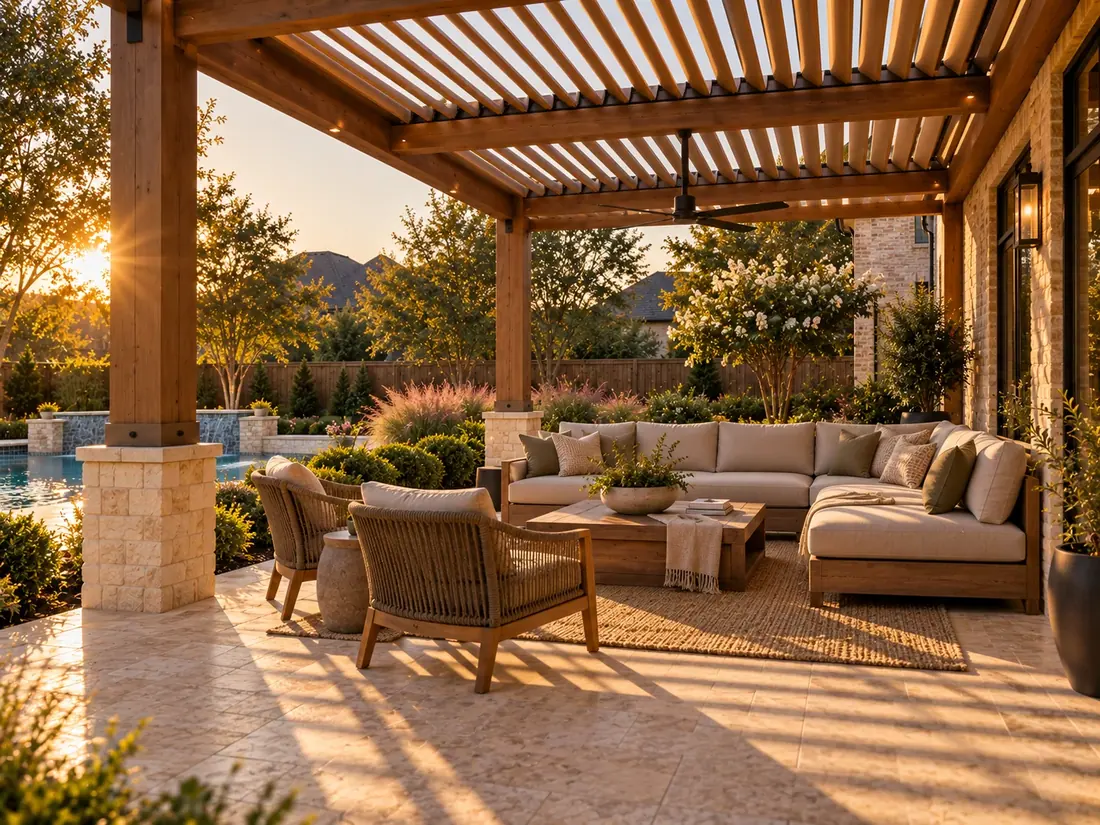
Choosing between a solid cover, an insulated cover and a pergola is about what you want overhead. A pergola gives filtered shade and keeps the sky. A solid cover keeps off sun and rain. An insulated cover does the same and cuts the heat and noise underneath, which matters most on a west-facing patio.
- Engineered and permitted for local wind and load
- Tied into the existing roofline, not bolted on as an afterthought
- Fan and lighting rough-ins if you want them
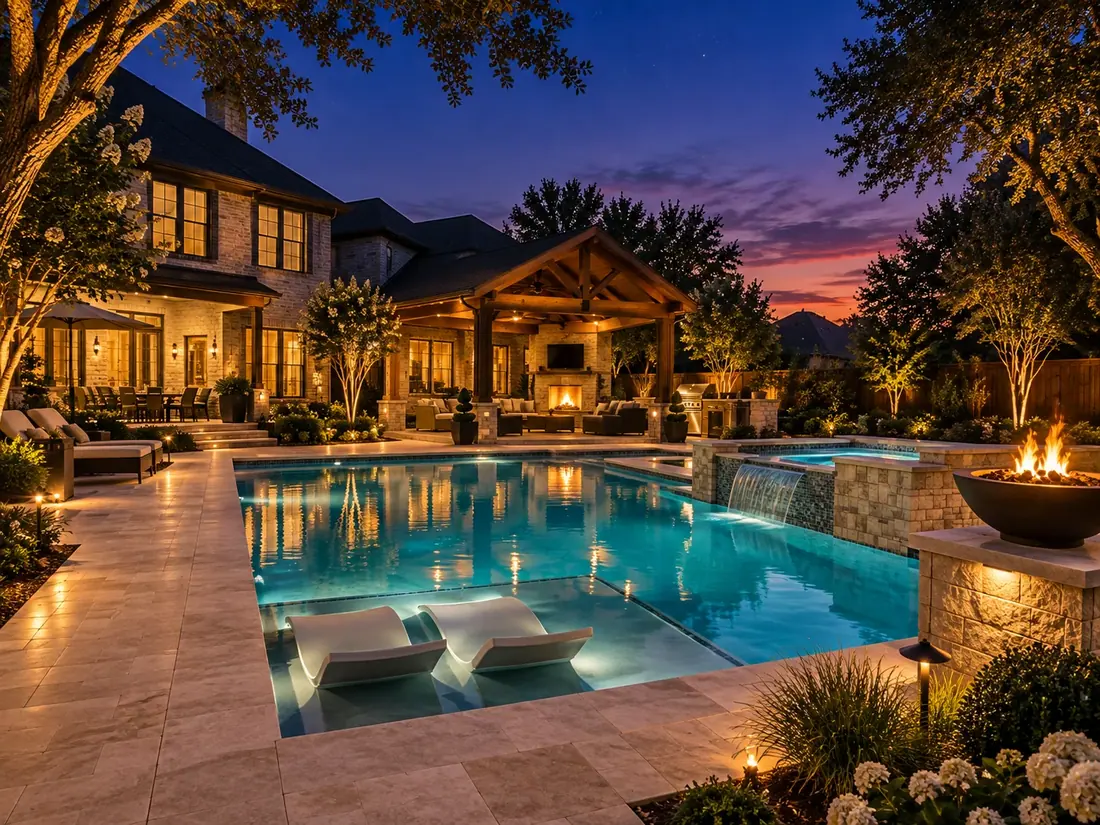
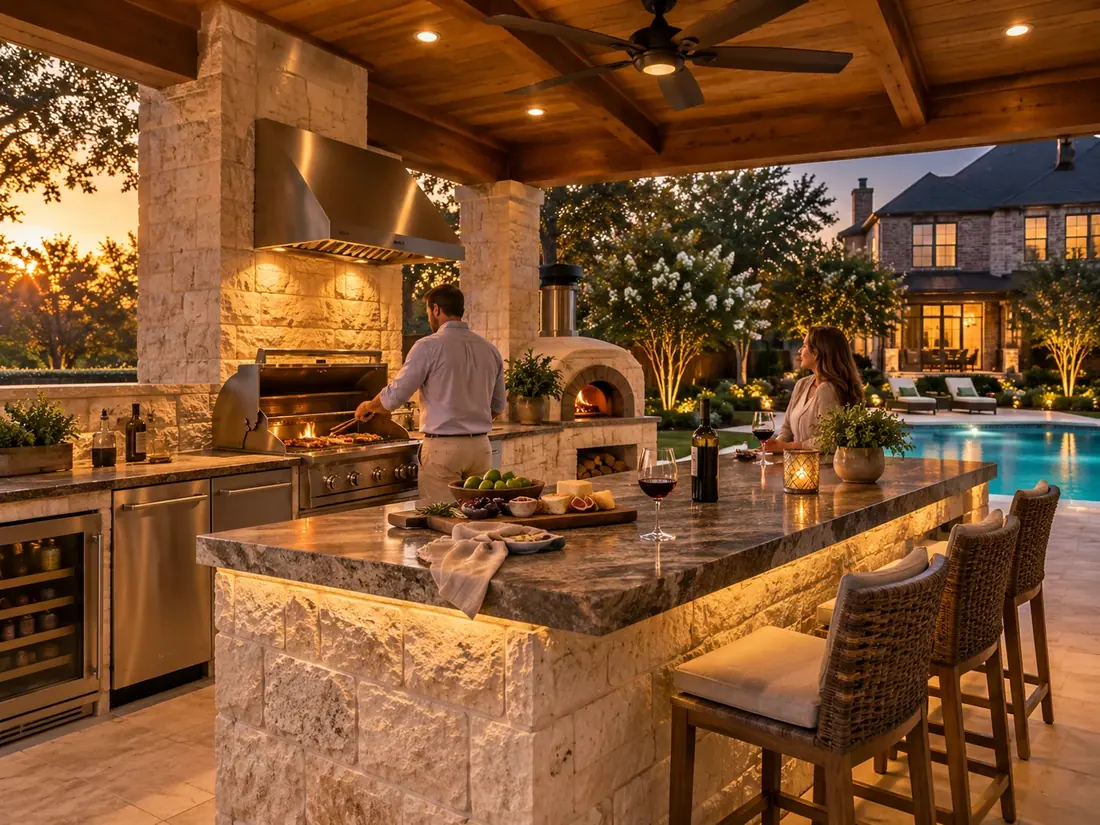
Most patio cover projects we build are designed at the same time as the outdoor kitchen, paving underneath and pergola. That is the whole point of one team drawing the yard before anyone digs.
Patio Covers by city: patio covers in Arlington, patio covers in Rockwall, patio covers in Fort Worth, patio covers in Grapevine, patio covers in Garland, patio covers in Southlake, patio covers in Frisco, patio covers in Flower Mound, patio covers in Dallas, patio covers in Celina.
How are Patio Roofs & Covers installed, priced and cared for?
What drives cost: the clear span and height, the roof type and material, how it ties into the existing roofline, fans, lighting and heaters with the power to reach them, and whether the slab underneath needs work first. The roof tie-in is the part to ask every bidder about, because a poor ledger connection is where old covers leak into the house.
North Texas is hard on a cover. Spring storms bring wind and hail, and Blackland clay moves the posts if the footings are shallow. We size the footings for the soil, design the structure for local wind and load, and pick roofing that shrugs off hail better than a bare panel.
An attached cover almost always needs a permit, and some neighborhoods also want HOA approval before the city sees it. Our permit guide explains the usual steps. The work runs in stages: design, engineering and permit, footings, framing and roof, then electrical, trim and a final inspection.
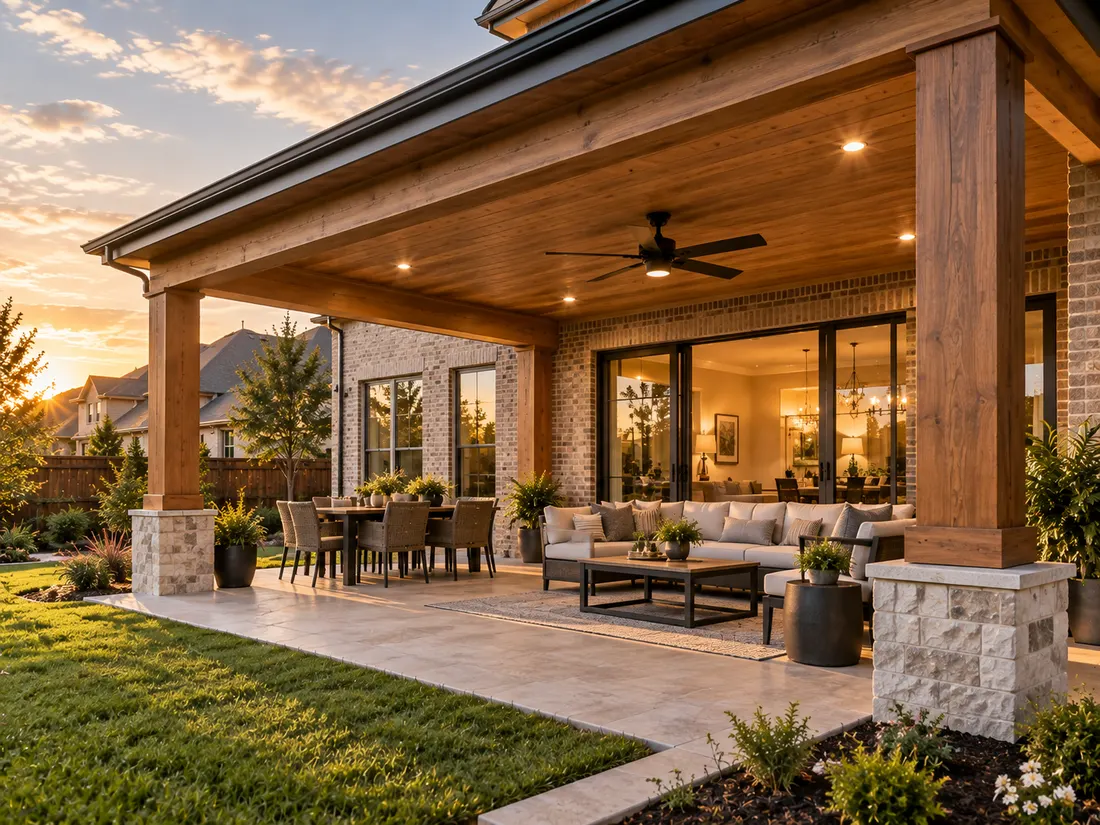
What a patio cover costs in DFW
Half of the patio covers we sold in DFW over the last two years came in between $10,000 and $20,000. The typical one was about $13,500. Your number comes from a free design visit, measured on your yard.
Prices reviewed October 2026.
- Span and height: a wider clear span needs bigger beams and deeper footings
- Solid roof, insulated panel or open pergola, and the roofing material on top
- How it ties into the existing roofline, which is the difference between an addition and a bolt-on
- Fans, lighting, heaters and the electrical run to reach them
- Whether the slab underneath is sound or needs pouring first
Patio Roofs & Covers: common questions
Half of the patio covers we sold in DFW over the last two years came in between $10,000 and $20,000. The typical one was about $13,500. Size, materials, how it attaches to the house and any electrical work move the number; the free design visit gives you a firm figure for your yard.
Not by default. In our own DFW sales, the typical patio cover came in around $13,500 and the typical pergola around $15,500, so the patio cover was the less expensive of the two. A pergola gives filtered shade and lets rain through; a solid cover keeps the rain off and shades the whole patio. Choose by how you want to use the space, then size it to the budget.
Ask every bidder how the cover ties into your roof, how the footings are sized for your soil, and who pulls the permit. A poor roof connection is where old covers leak into the house, and shallow footings move with Blackland clay. Longhorn designs the footings and the roof tie-in for each job and handles the permit.
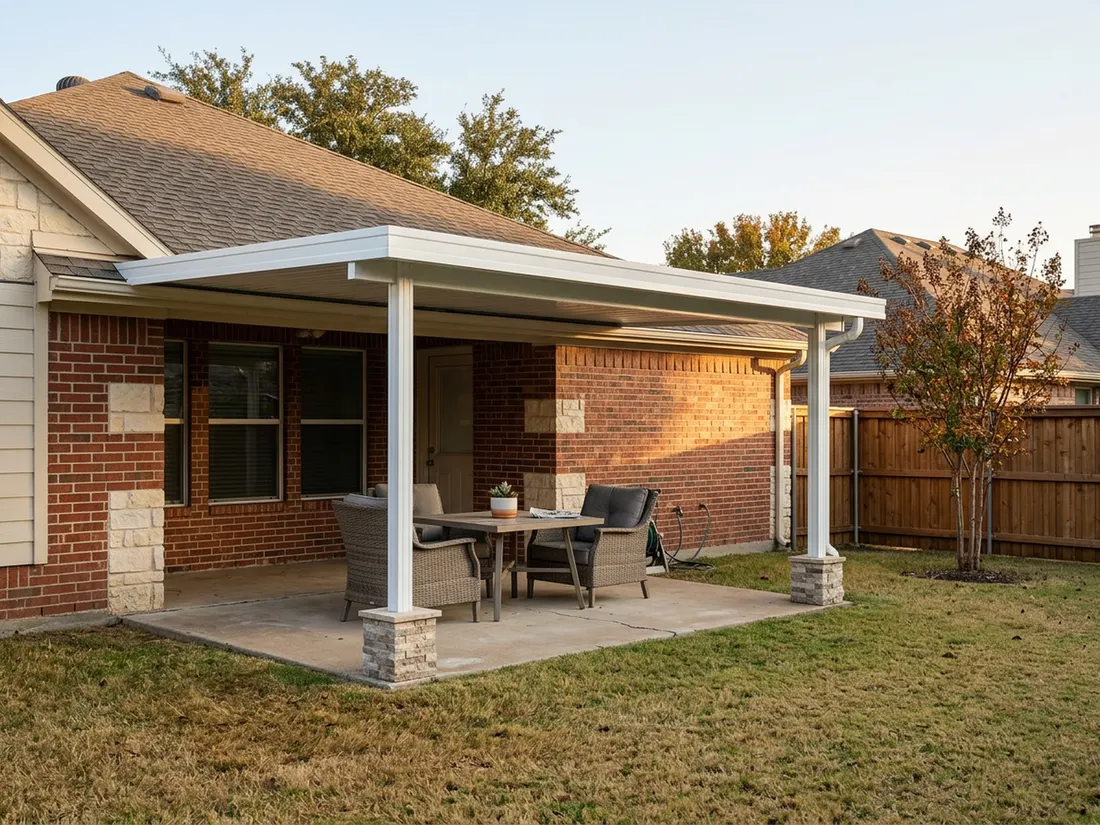
An attached cover is usually the simpler choice and gives you a dry path from the back door. A freestanding cover carries itself on its own footings, so it never pulls on the house, and it suits a low eave or a spot away from the home. The roofline and the ground usually decide it.
Often, yes. Hail dents on metal panels, a failed section of decking or a post that has rotted at the base are usually repairs. Replacement is the honest answer when the structure was never engineered for load, when the ledger connection to the house has been leaking, or when the posts are undersized for the span. Send a photo and we will tell you which one you are looking at before anyone comes out.
Almost always for anything attached to the house. We file it and handle the inspection so it doesn’t stall your schedule.
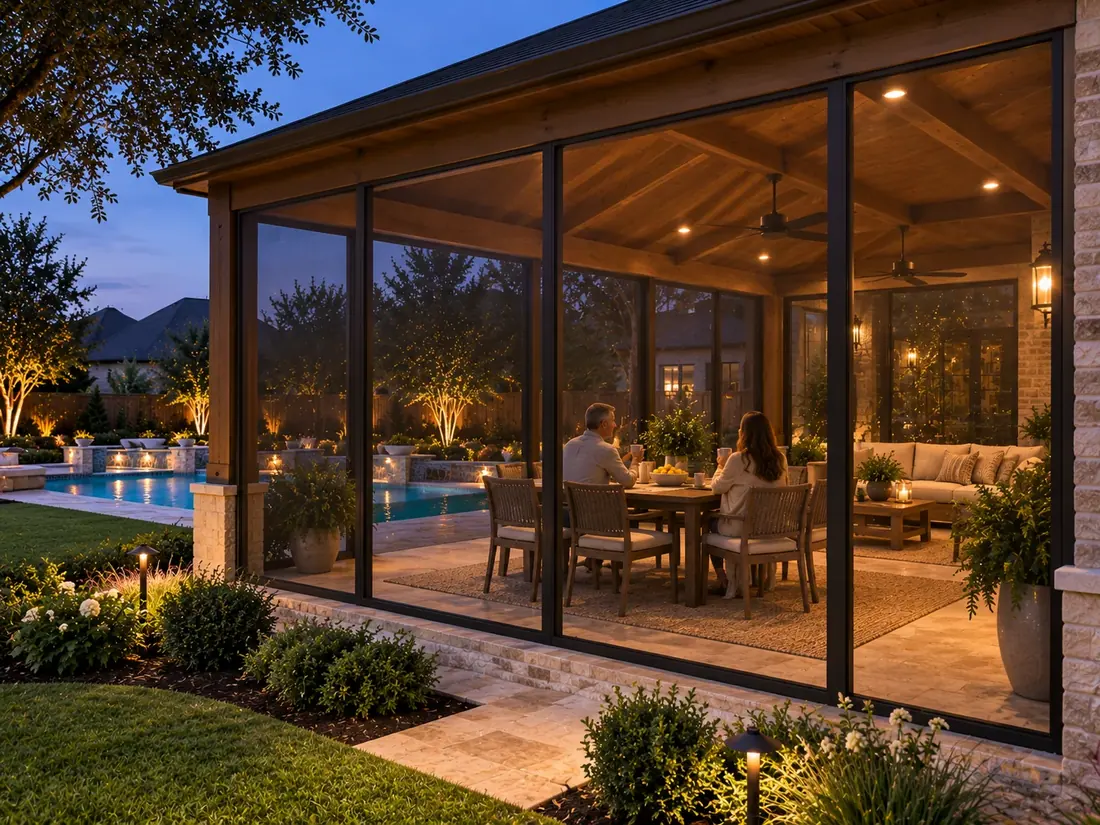
Yes, if the cover is sound and tied properly into the house. Most screen rooms we build go under an existing cover. If the posts are undersized or the slab has moved, we fix that first.
A cover or pergola is typically a few days on site once permitted. Enclosures and sunrooms take longer because there’s more structure and glazing.
Keep the gutters clear, look at the flashing where the cover meets the house after big storms, and repaint or restain wood on the schedule the finish calls for. Metal and insulated panels mostly need a rinse. If you see water stains at the ledger, call us early, because that is the connection that matters.
Before You Commit to Patio Roofs & Covers
- Match the roofline. A cover that ties into the existing roof reads as part of the house; one that does not always looks added on, whatever it is made of.
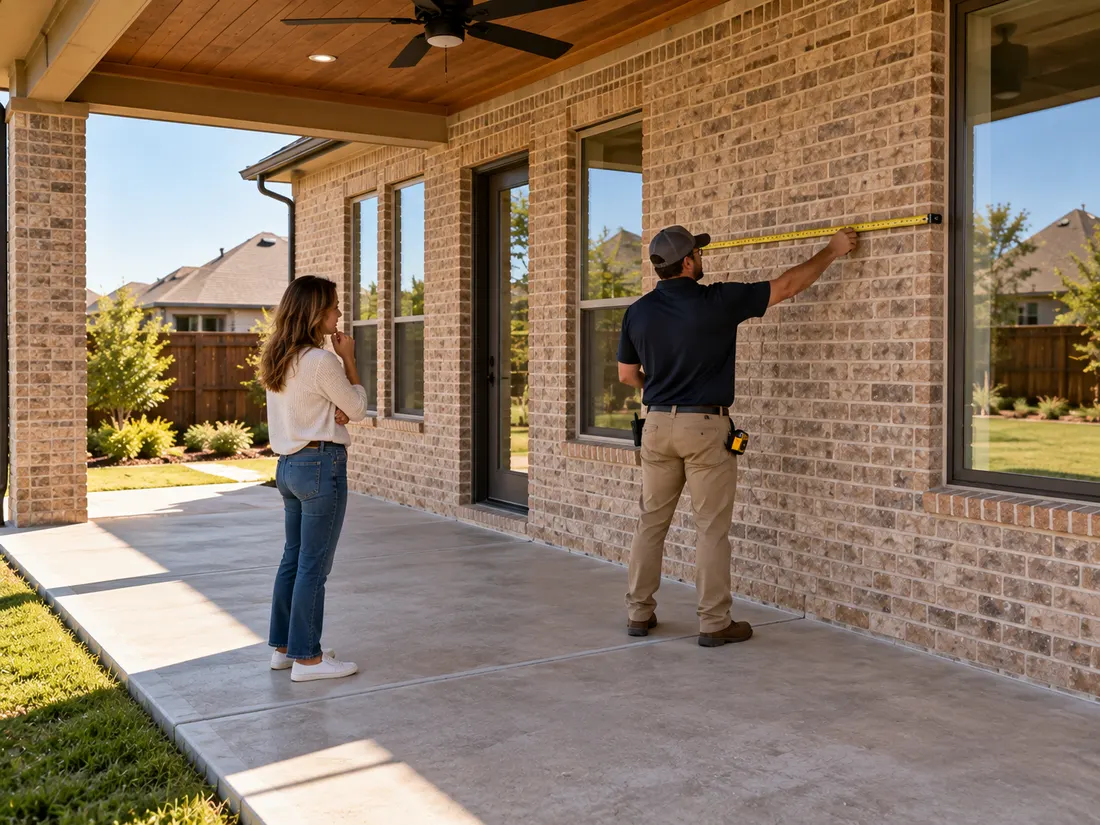
- Size it for furniture, not for the slab. A cover the width of the existing patio often leaves the table half in the sun. Measure what goes under it before the posts are set.
- Ask about the ceiling. A finished ceiling, fans and recessed lighting turn a roof into a room, and they are far easier to build in than to retrofit.
How does a patio cover project run?
- 1
A free design visit
A designer measures the yard, walks the access a crew would use, and talks through what you want the space to do. You get a firm price, not a range.
- 2
Drawings, permit and HOA
We draw the job, file the permit with your city and follow it through review. Where an HOA needs a submittal, we prepare the drawings it asks for.
- 3
One crew, one schedule
The same team builds the whole thing in the right order, so the slab, the structure, the electrical and the finish work are not three companies blaming each other.
- 4
Walkthrough and warranty
We walk the finished job with you, settle the punch list, and leave you with one warranty covering the work rather than a folder of separate ones.
Reading on Patio Roofs & Covers
Practical notes on building a backyard in North Texas.
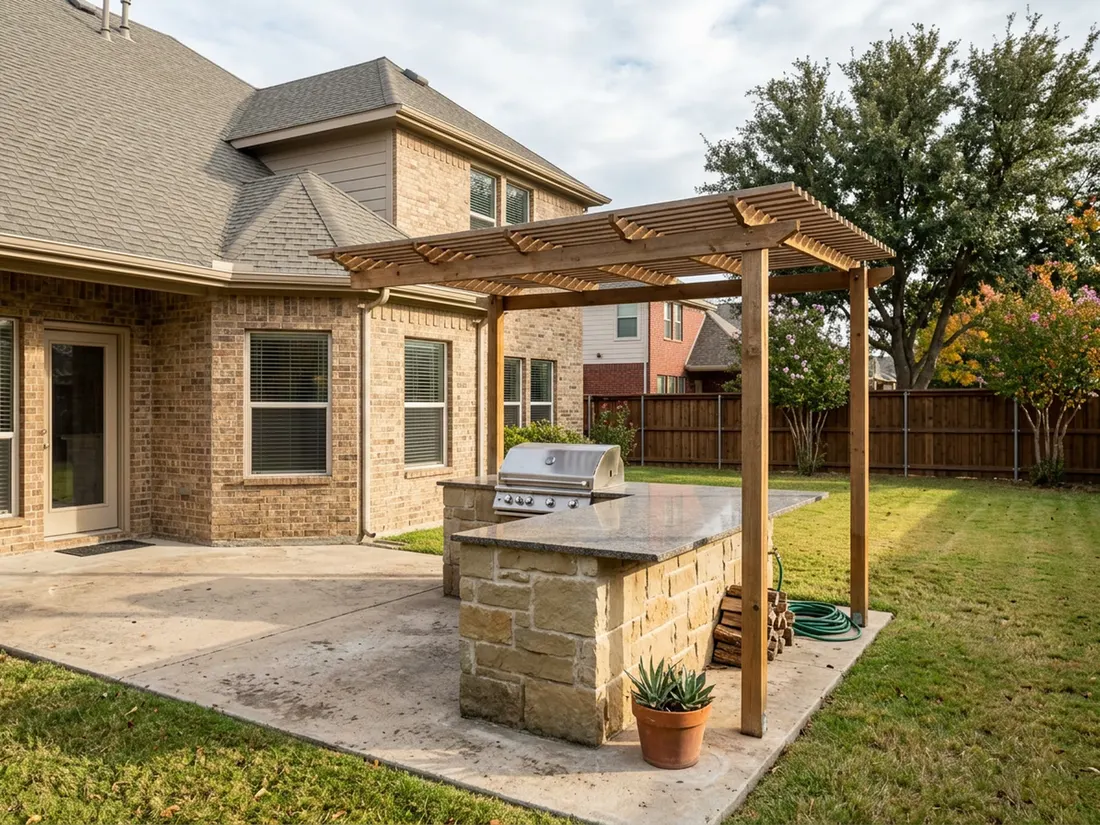
Outdoor Kitchen Countertop Materials in Frisco, TX
Granite, porcelain, quartzite and quartz all behave differently in Frisco sun, freezes and clay. Here is a pick by exposure, a sealing test, and what the base under the stone needs.
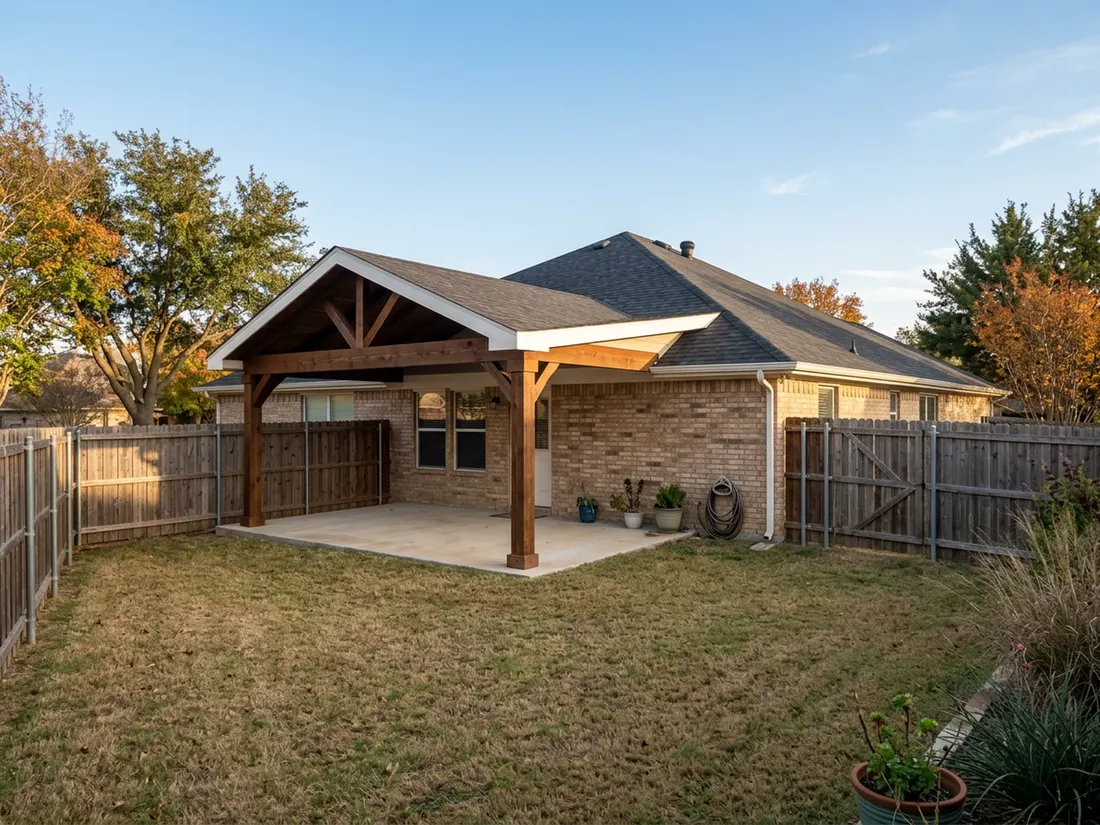
HOA Approval for a Patio Cover in Texas: DFW Guide
The HOA and the city are two separate approvals, and the HOA usually comes first. Here is the packet a DFW committee wants, how long it takes, why it says no, and how to answer a denial.
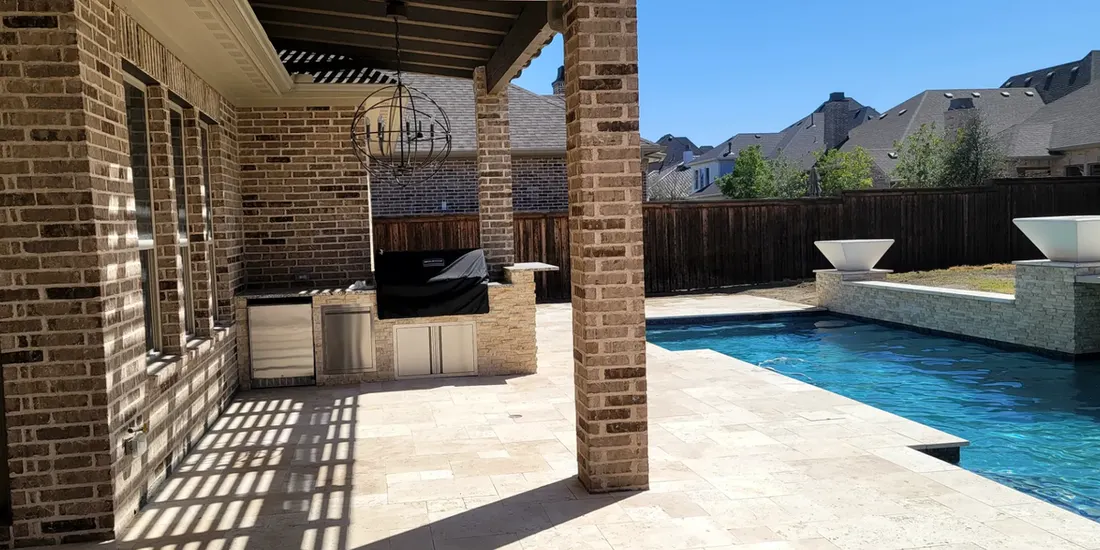
Patio Cover or Pergola in Bonham, TX: Which to Build
Bonham summers and Blackland clay make this an easy choice to get wrong. Here is how to decide between a solid roof and an open frame, and what to check first on an older lot.
Recent work: Patios & Pergolas
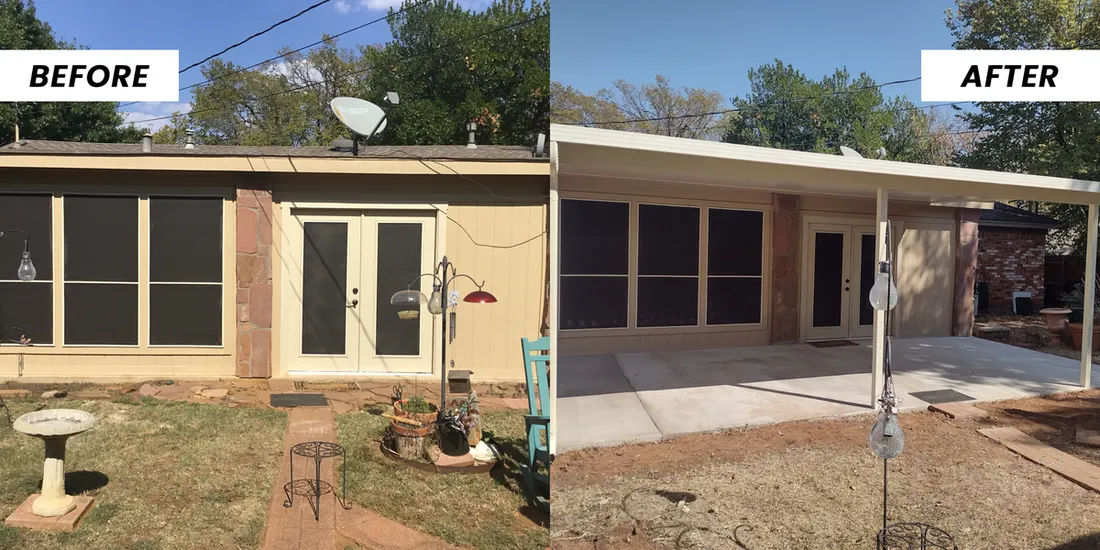
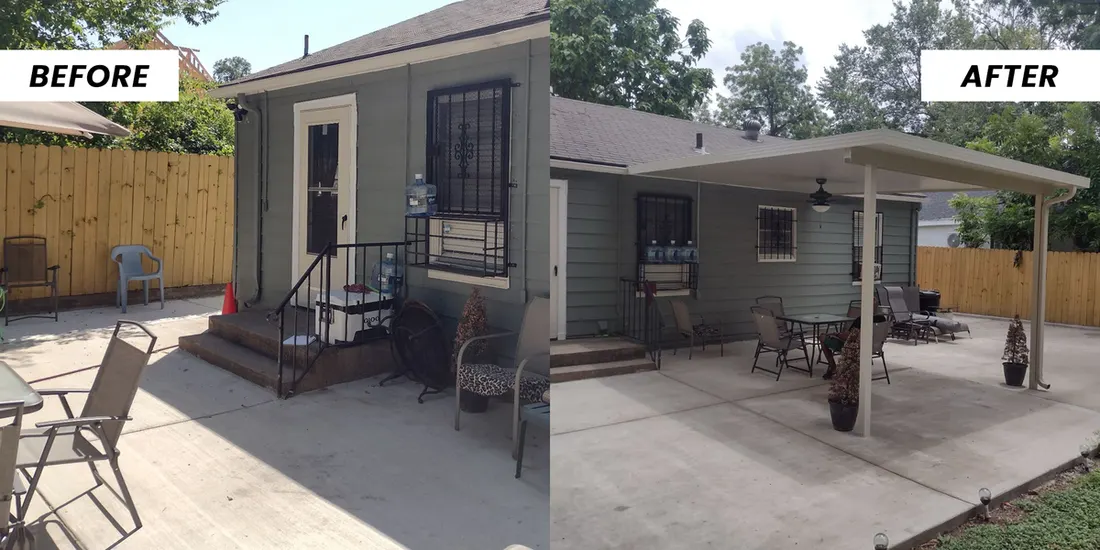
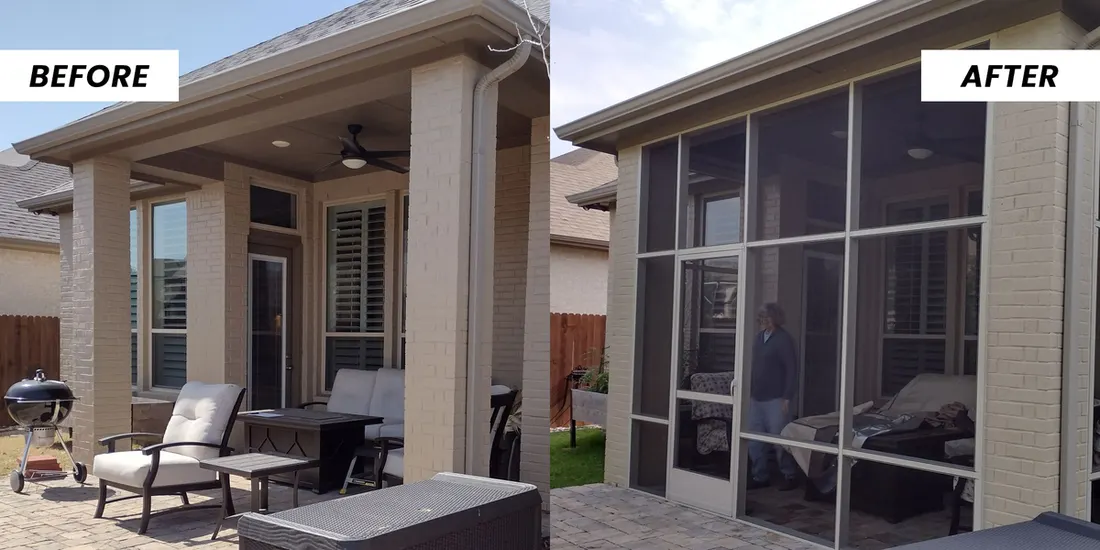
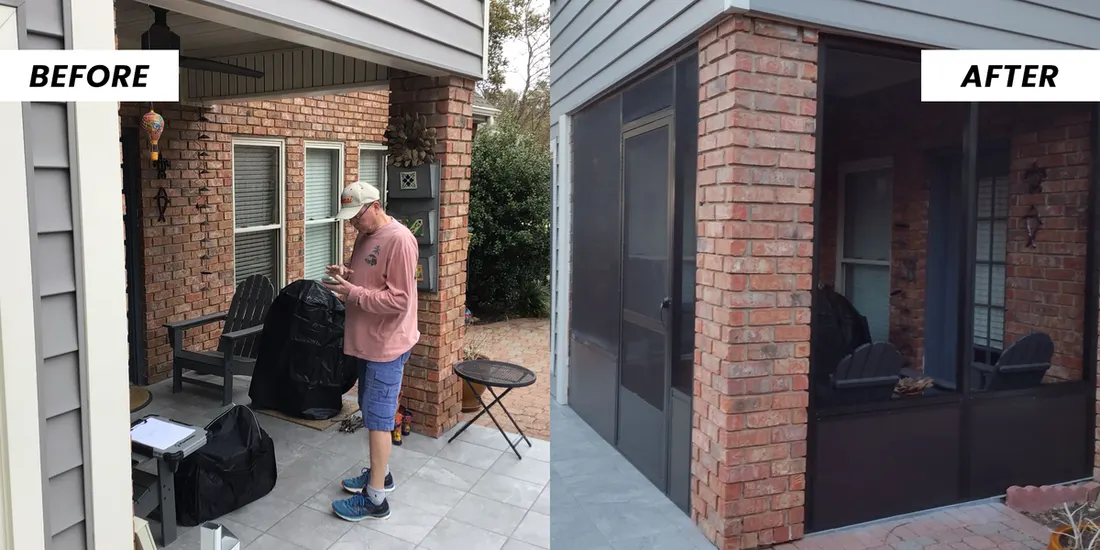
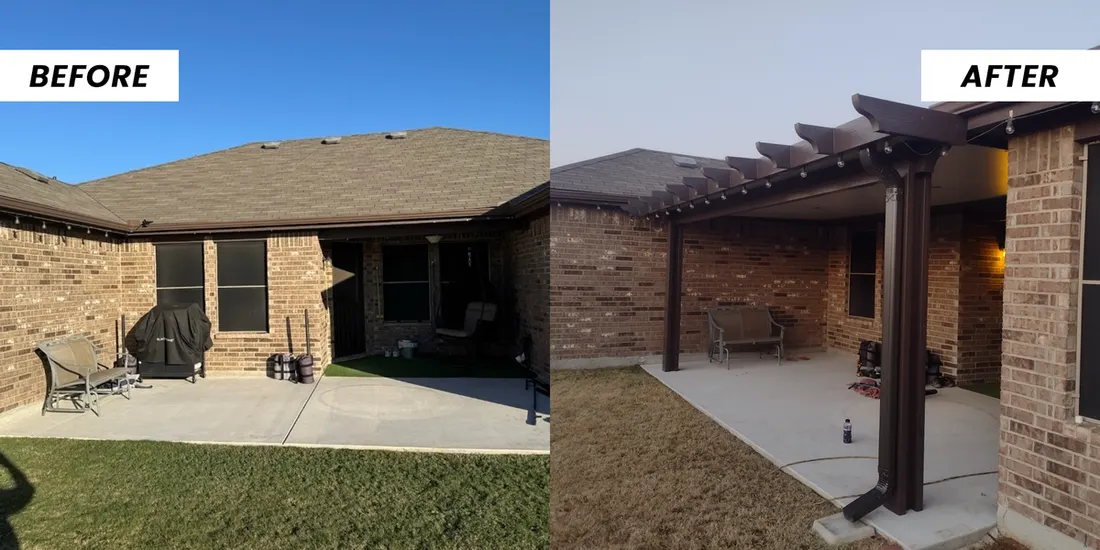
Patio Covers by city
Written for the soil, permits and lots of each city, in DFW and out in Abilene.
Other outdoor living options
Who builds your project
- Family-owned since 1984. Dallas–Fort Worth homeowners have hired Longhorn for four decades. The business is still family-owned.
- One team, start to finish. The designer who measures your yard and the crew that builds it work for Longhorn, on one schedule.
- In-house crews. The people who quote the job are the people who stand behind it.
- Permits and HOA handled. We draw the job, file the permit with your city and prepare what most HOAs ask for.
- One warranty. One company answers for the whole project, not a folder of separate contractors.
Free estimate on Patio Roofs & Covers
We’ll come out, measure, talk through the options and give you a firm number. No obligation.
Call (972) 534-2716Get Your Free Quote
4.8 on Google from 22 reviewsFamily-owned since 1984