

Insulated Siding in Dallas–Fort Worth
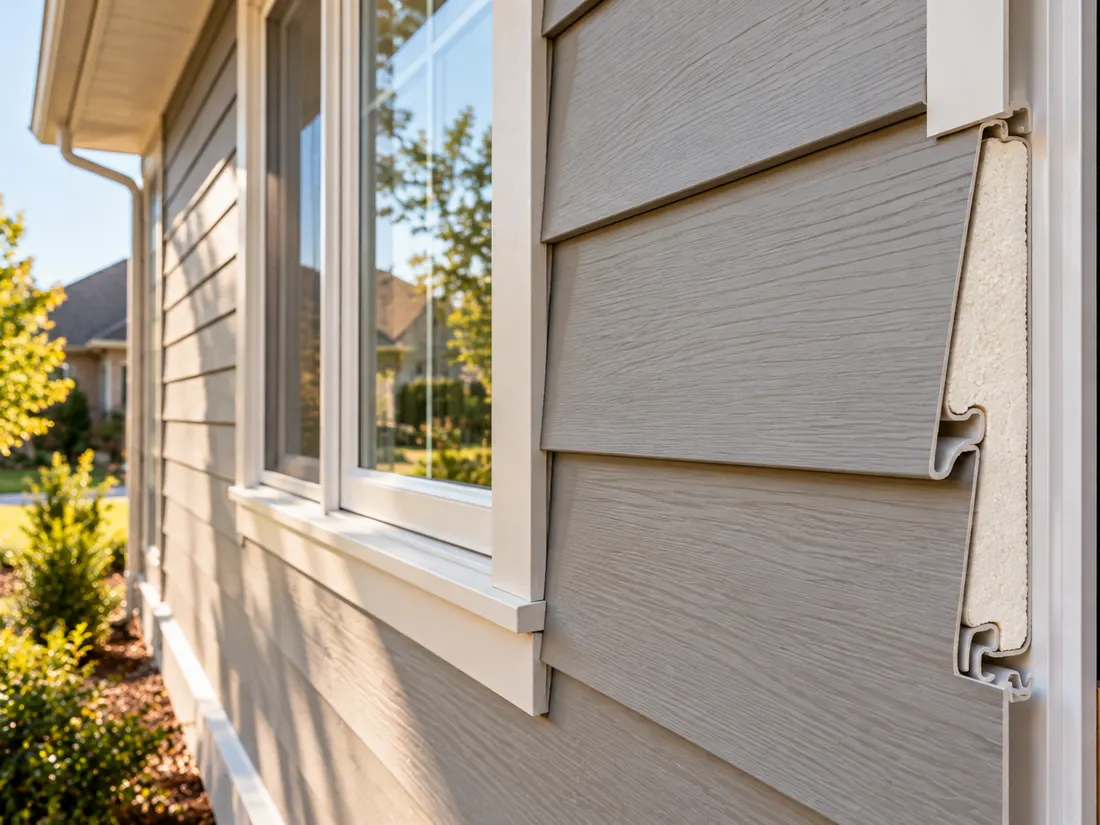
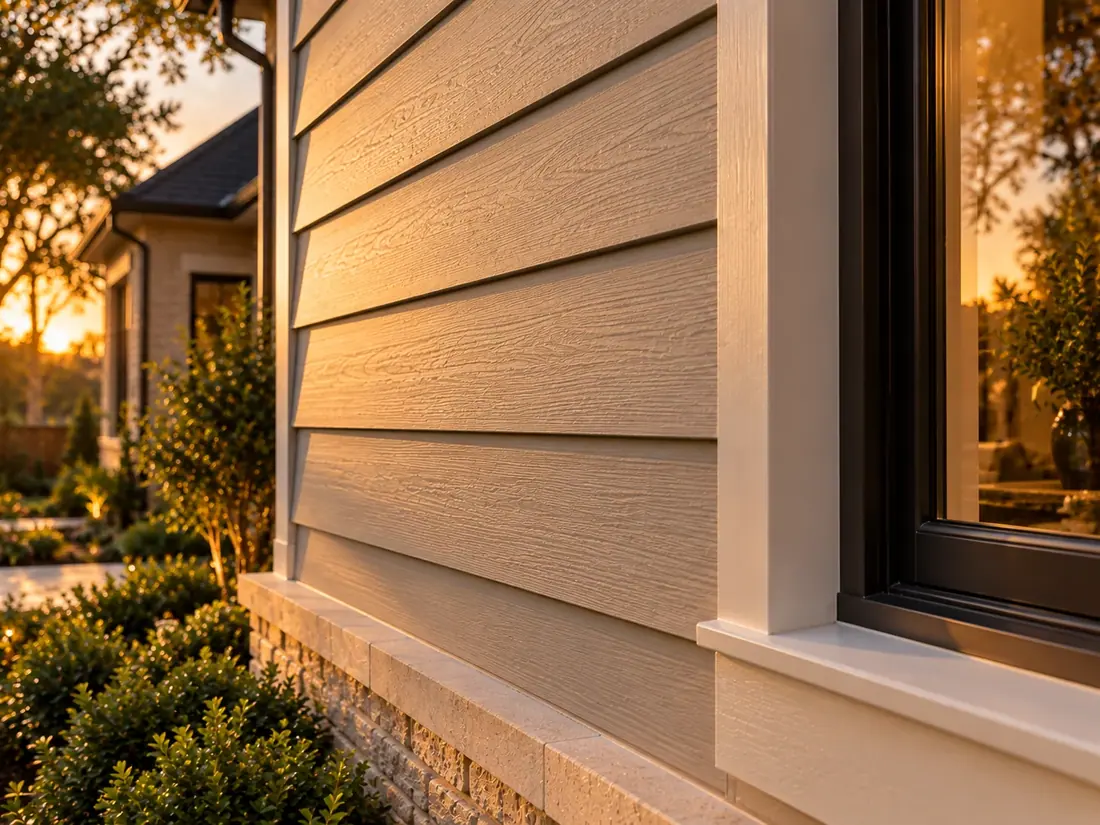
Siding with a rigid insulation backing bonded to the panel. It adds R-value to the walls, evens out temperature swings between rooms and takes the edge off outside noise.
- 40+Years in Business
- 15,000+Projects Completed
- 1984Family-Owned Since
- 90DFW Cities Served

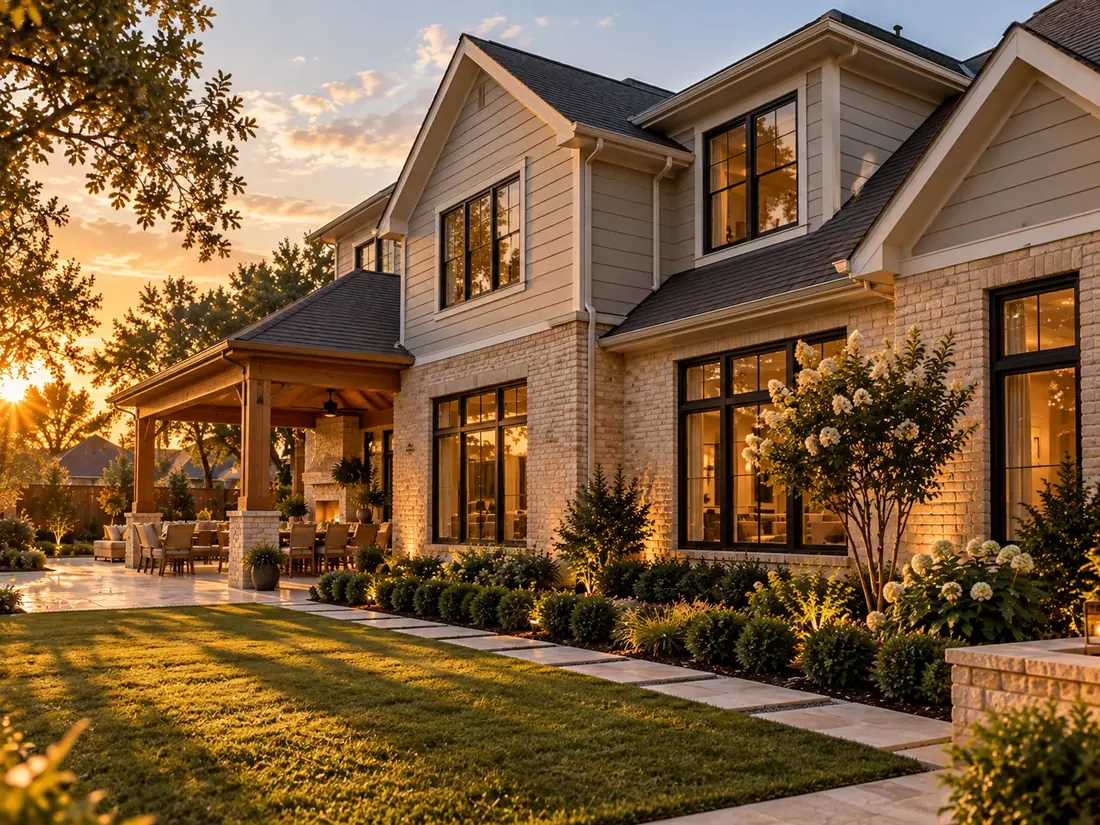
What do you get with Longhorn’s Insulated Siding?
It is the upgrade to consider if some rooms run hotter or colder than others, or if outside noise comes through the walls. The backing adds a continuous layer outside the studs, covering the framing that insulation inside the walls can’t.
Of the three options, insulated vinyl is the comfort pick. Standard vinyl is the lower-cost exterior without the backing. James Hardie fiber cement is the heavier, premium option. Insulated vinyl suits homeowners who want an easy-care exterior and a warmer, quieter, more even house.
- Adds insulation value to exterior walls
- Helps with both summer heat and winter cold snaps
- Rigid backing resists dents and keeps lines straight
How is Insulated Siding installed, priced and cared for?
The foam backing also supports the panel, so it resists dents and lies flatter on walls that are not perfectly straight.
Insulated vinyl goes on in the same stages as standard vinyl, strip, inspect and repair the sheathing, wrap and flash, then hang, but the thicker panels mean more care at window and door trim, where the added depth has to be finished neatly. We check the walls while they’re open, since what we find behind old siding is often the story of the house, and we show you before covering it back up.
On a DFW house the foam backing earns its keep on the west wall in August and during winter freezes, and it helps panels resist small hail dents. Cost depends on wall area, the amount of trim around windows and doors, profile and color, and the repair work needed behind the old siding.
Insulated Siding: common questions
If your priority is comfort and energy performance, insulated. If it’s the lowest cost route to a new exterior, non-insulated vinyl. Hardie fiber cement is the premium, most durable option. We’ll show you samples against your brick on site.
Modern vinyl and fiber cement siding is designed to hold its color and shape for decades in Texas sun, hail and heat. We’ve repaired siding we installed more than twenty years ago that was still in good shape.
Usually. We’ve tracked down matches even after a manufacturer changed lines.
It adds a continuous layer outside the studs, so it covers the framing that wall cavity insulation can’t. Whether it pays back depends on the house. We’ll give you both prices so you can compare.
The foam backing supports the panel, which helps it resist dents better than unbacked vinyl. Large hail can still damage any siding, and we’ll help with repairs and matching after a storm.
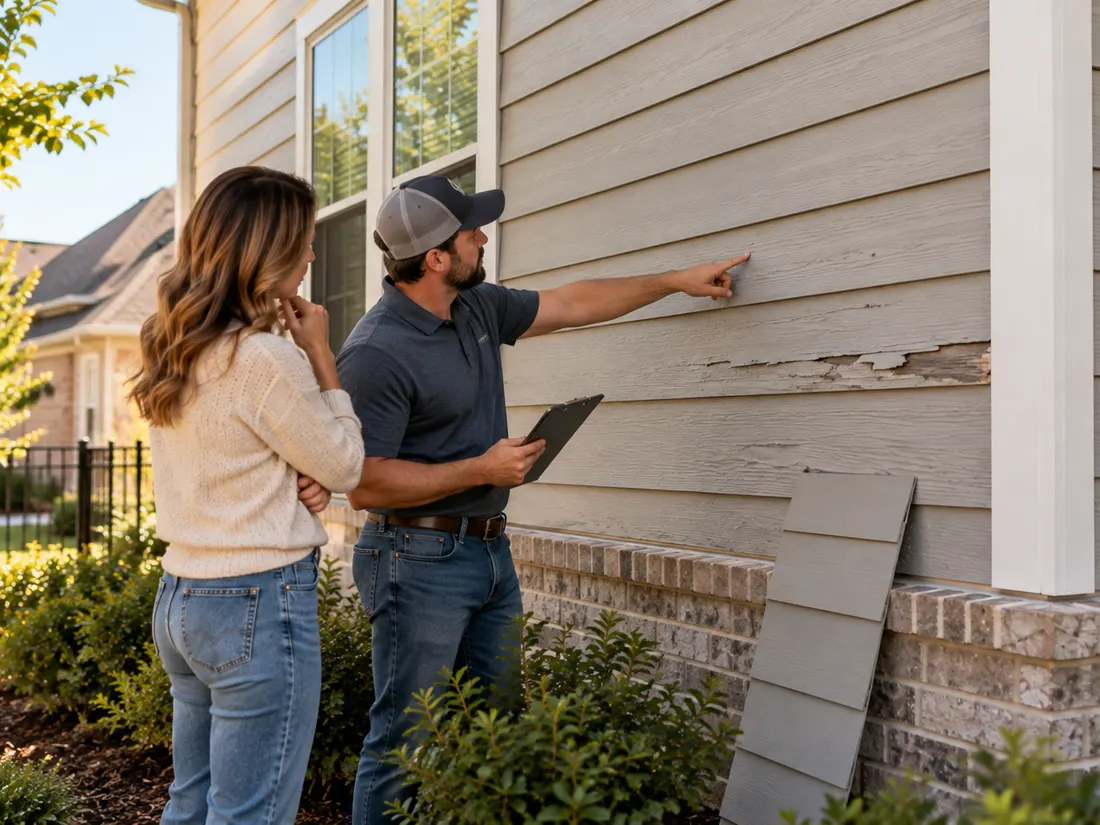
Before You Commit to Insulated Siding
- Keep the attic in the conversation. Insulated siding adds R-value to the walls and quiets them, but attic insulation often does more for the cooling bill, so the two are worth looking at together.
- Plan the trim for the extra depth. The thicker panel changes how trim sits around windows and doors, so channels and trim are sized for it from the start.
- Check dark colors on sunny walls. Very dark shades on a wall that takes full afternoon sun are worth checking against the manufacturer’s recommended color range.
How does an insulated siding project run?
- 1
A free inspection and quote
We look at what is behind the current siding as far as we can, measure the elevations and give you a firm price with the material you choose.
- 2
Tear-off and inspection
The old siding comes off so the sheathing and any damage can be seen and dealt with before the new wall goes on. That is where most surprises live.
- 3
Flashing, wrap and install
House wrap and flashing go on properly at every opening and penetration; on a North Texas wall that detail decides how long it stays dry.
- 4
Walkthrough and warranty
We walk the whole exterior with you, clear the site of debris and nails, and leave the manufacturer and installation warranties together.
Reading on Insulated Siding
Practical notes on your home in North Texas.
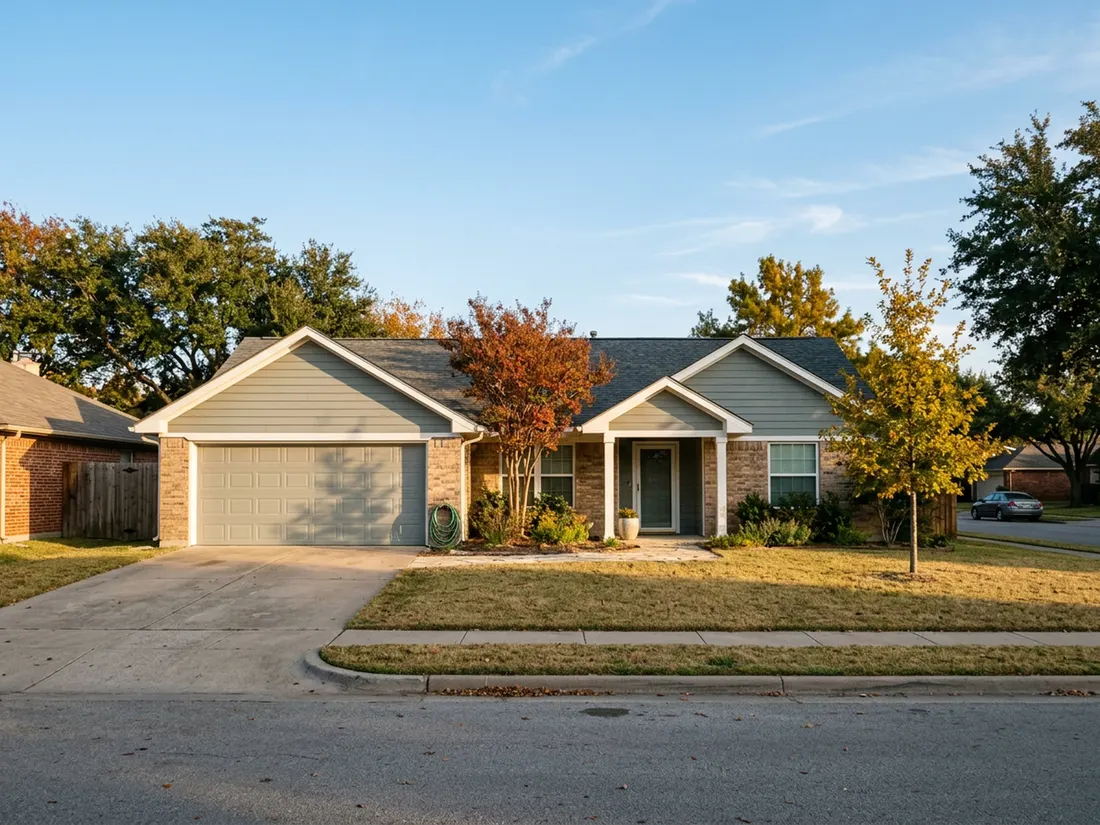
Does Insulated Siding Lower Energy Bills in DFW?
The honest answer on insulated siding in North Texas: what it genuinely does to a wall, what it has no effect on at all, and why anyone quoting you a savings percentage is guessing.
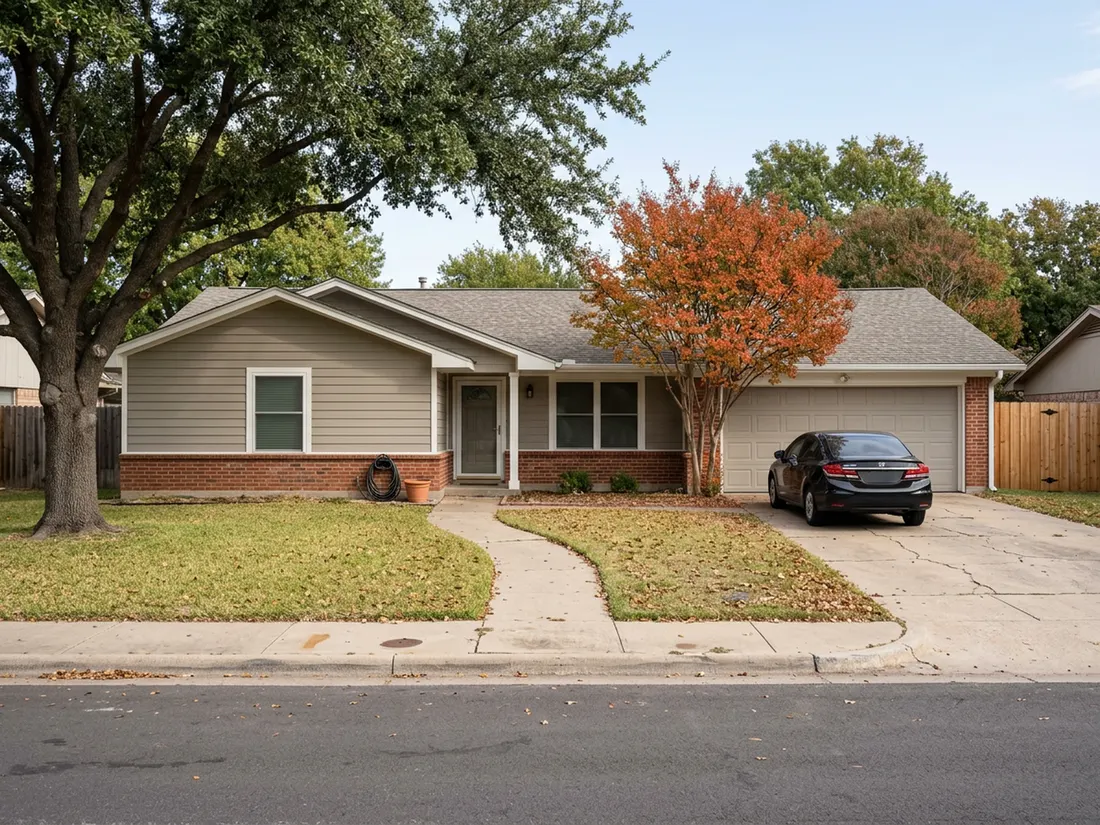
Siding Replacement in Dallas: Signs It’s Time
Faded siding is rarely a reason to replace anything. Here is how to tell a cosmetic problem from a wall that is letting water in, and what North Texas weather does to each material.
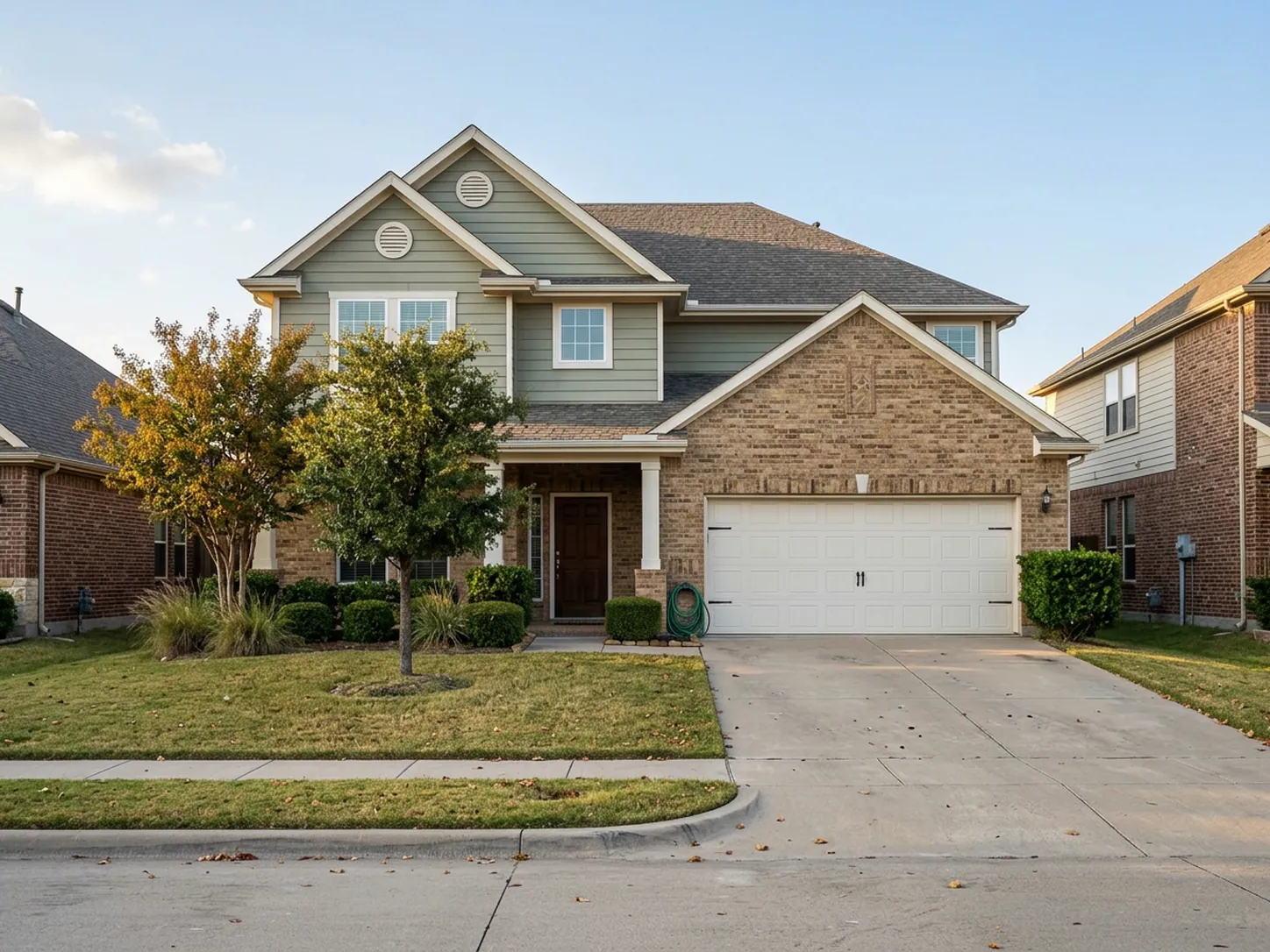
Siding Color for a Texas Home: Pick It Wall by Wall
Siding color is a heat decision, a paperwork decision and a brick decision, and the answer changes from one wall of the house to the next. Here is the order we work through it in North Texas.
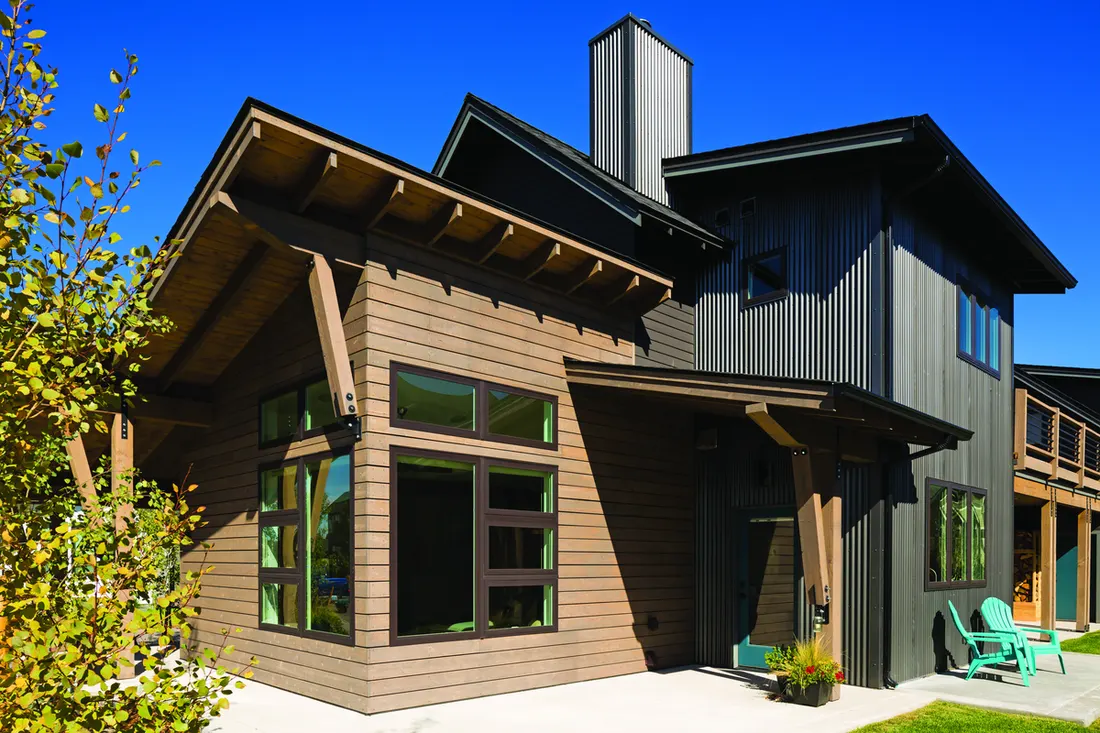
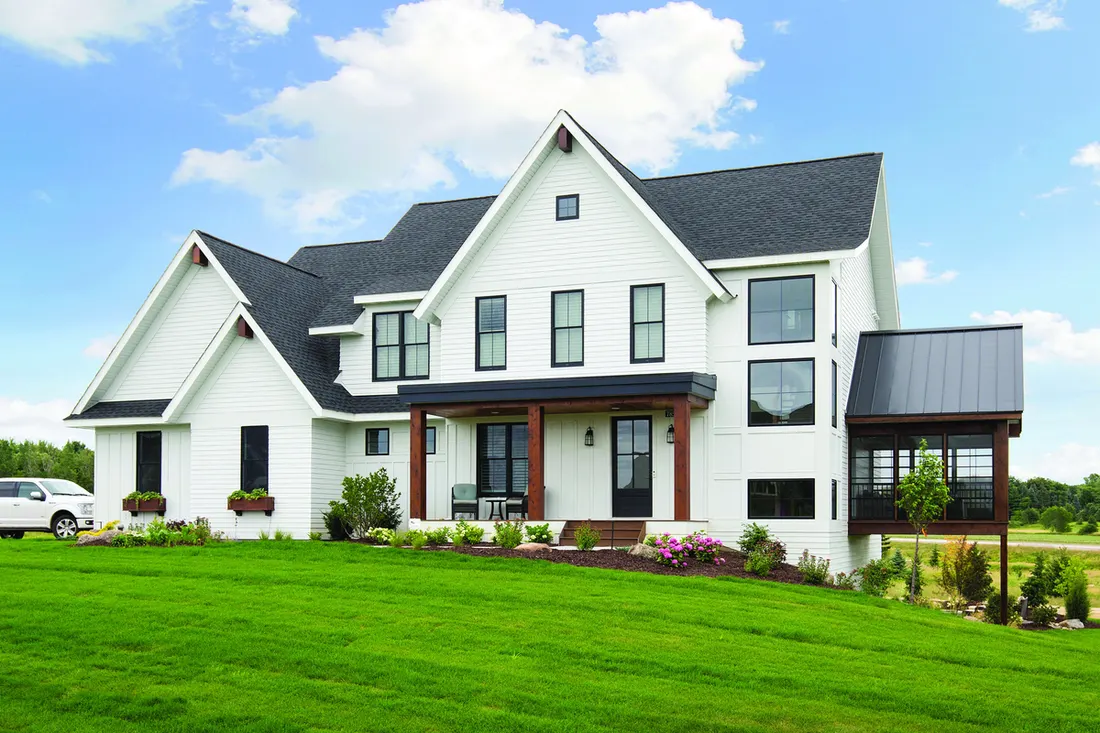
Recent siding and window projects
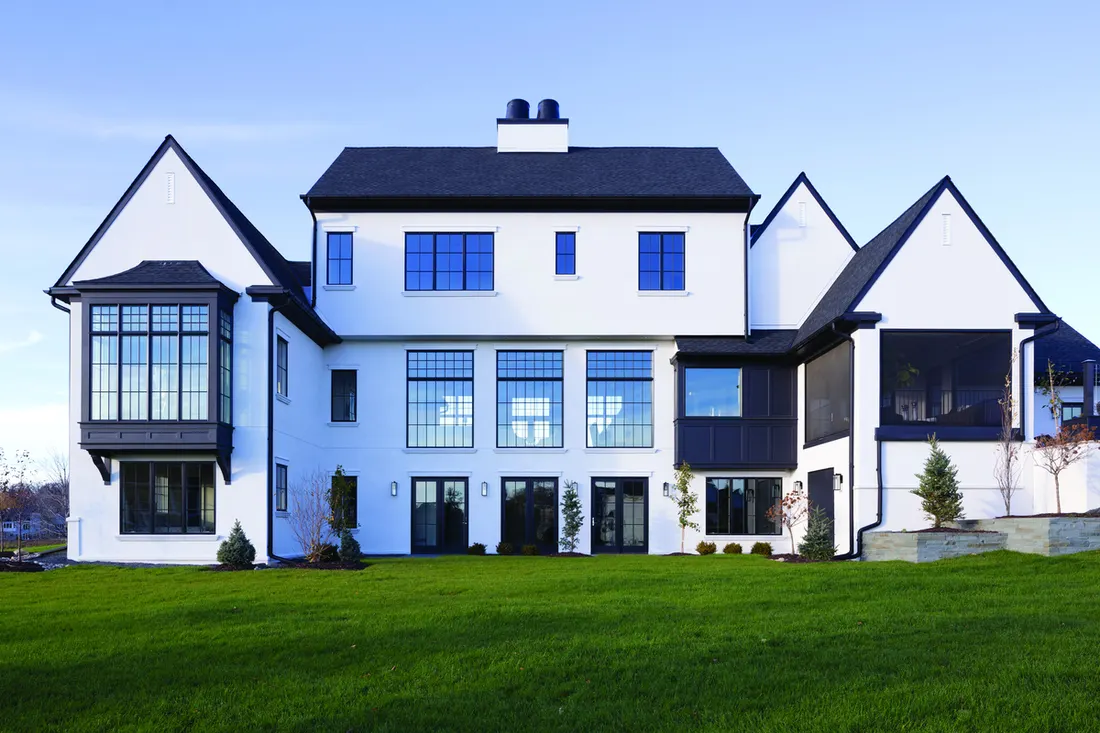
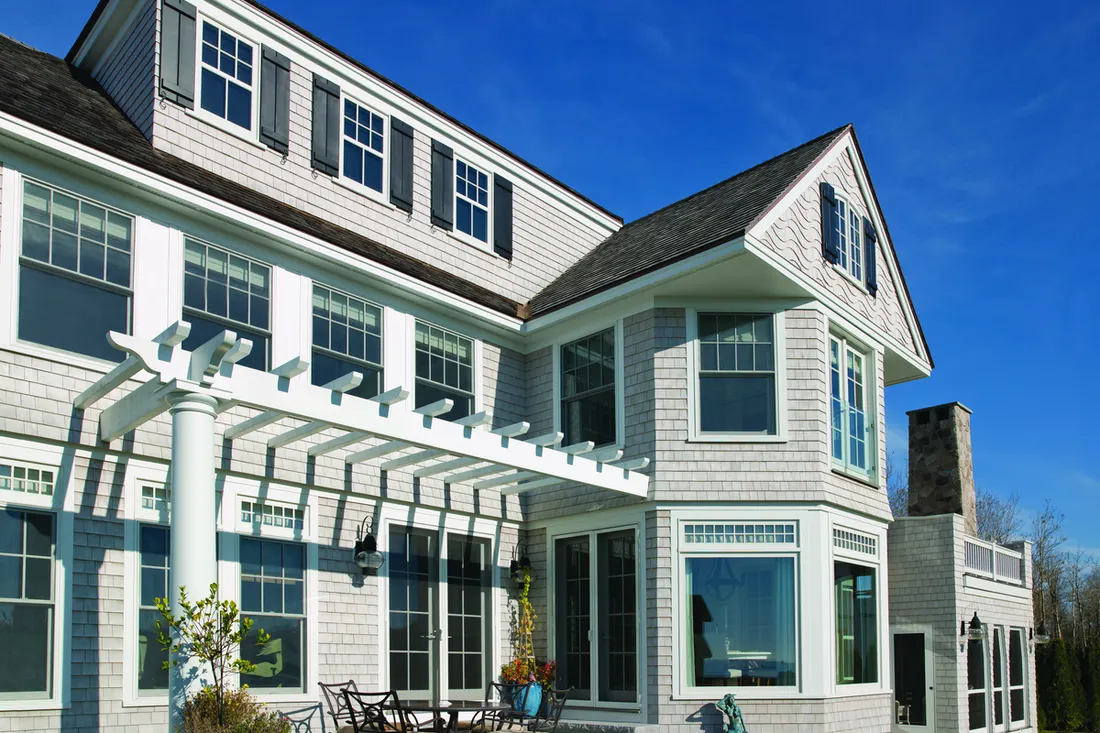
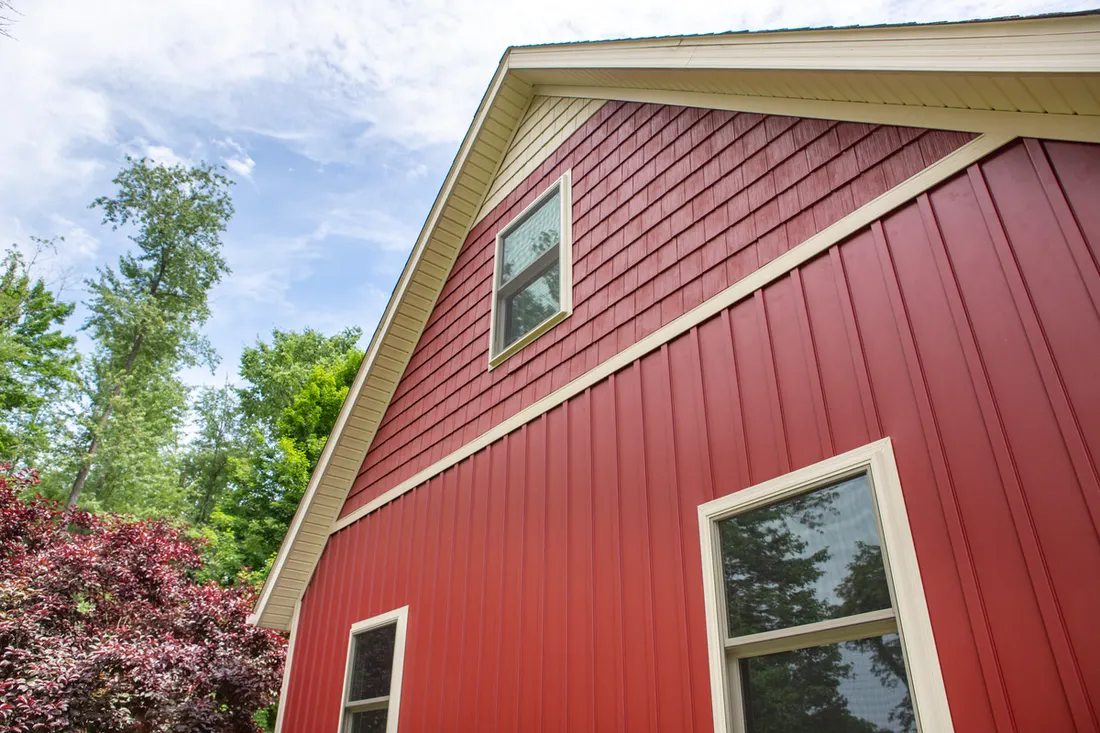
Other siding options
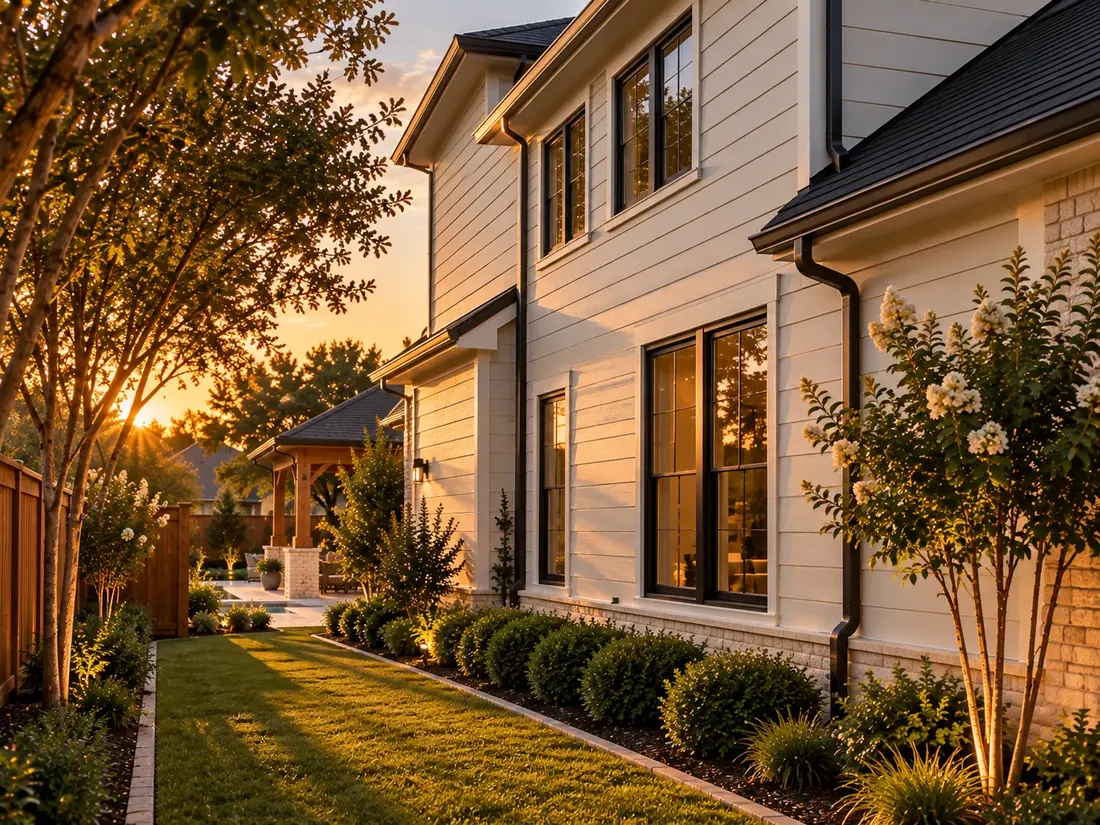
Who builds your project
- Family-owned since 1984. Dallas–Fort Worth homeowners have hired Longhorn for four decades. The business is still family-owned.
- One team, start to finish. The person who measures your home and the crew that installs the work are both Longhorn's, on one schedule.
- In-house crews. The people who quote the job are the people who stand behind it.
- Permits and HOA handled. We draw the job, file the permit with your city and prepare what most HOAs ask for.
- One warranty. One company answers for the whole project, not a folder of separate contractors.
Free estimate on Insulated Siding
We’ll come out, measure, talk through the options and give you a firm number. No obligation.
Call (214) 251-4928Get Your Free Estimate
4.8 on Google from 16 reviewsFamily-owned since 1984