

Non-Insulated Siding in Dallas–Fort Worth
Classic vinyl siding without the insulated backing. The most cost-effective way to replace a tired exterior, and still effectively maintenance-free once it’s up.
- 40+Years in Business
- 15,000+Projects Completed
- 1984Family-Owned Since
- 90DFW Cities Served

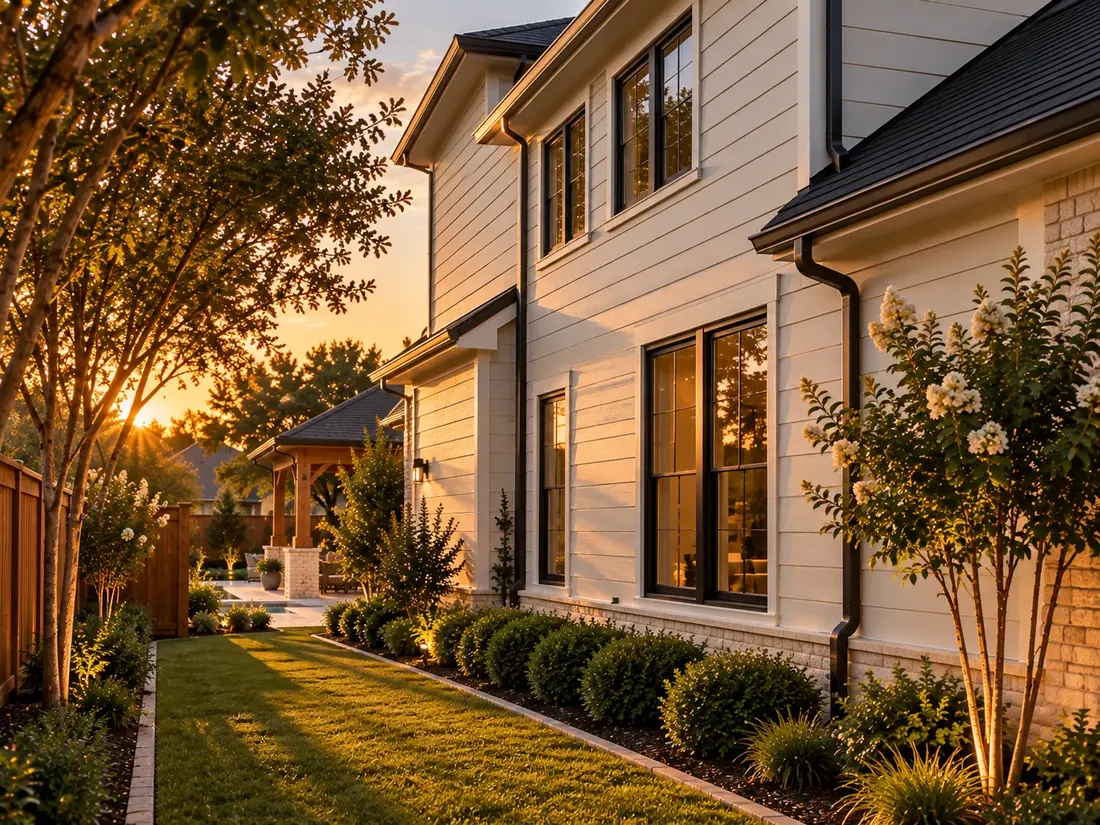
What do you get with Longhorn’s Non-Insulated Siding?
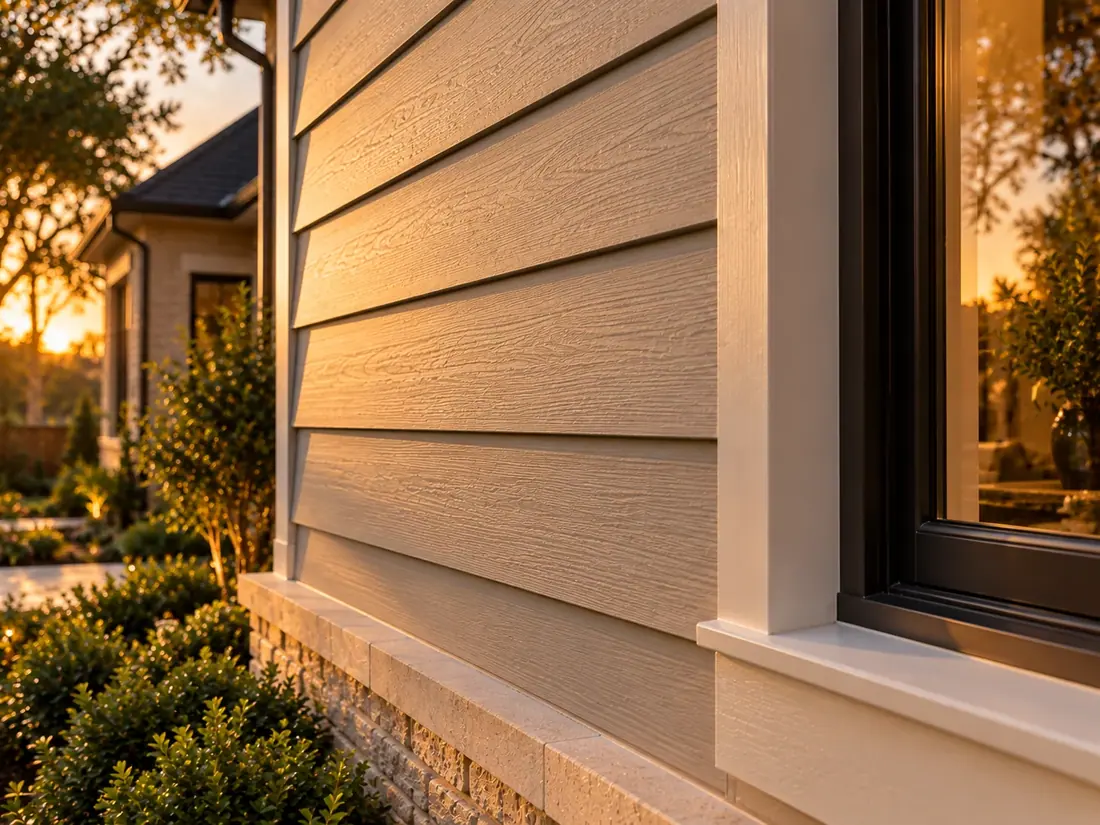
Vinyl never needs paint, scraping or sealing. A hose and a soft brush keep it clean, and it comes in a wide range of colors and profiles to suit the house.
Of the three options, standard vinyl is the value pick. Insulated vinyl adds a foam backing for comfort and dent resistance. James Hardie fiber cement is the heaviest and most premium. Standard vinyl suits a homeowner who wants a clean, new, low-maintenance exterior at the lowest cost, or who is preparing a house for sale.
- Lowest cost route to a completely new exterior
- No painting, scraping or sealing to keep up with
- Wide range of colors and profiles
How is Non-Insulated Siding installed, priced and cared for?
Choosing a thicker panel and a lighter color helps it stay flat in the Texas sun, and we’ll show you samples against your brick.
Standard vinyl is the quickest of our three siding options to install. We strip the old cladding, repair any soft sheathing, wrap the walls and flash every opening, then hang the panels. The key detail is fastening: vinyl has to hang loose enough to slide as it expands and contracts, and nails driven too tight are why some vinyl buckles in summer. We show you anything we find behind the old siding before it gets covered.
Summer sun on the west and south walls is the hardest test for plain vinyl in DFW, which is why panel thickness and color choice matter. Cost is driven by wall area, trim, profile and color, and how much repair is needed behind the old siding.
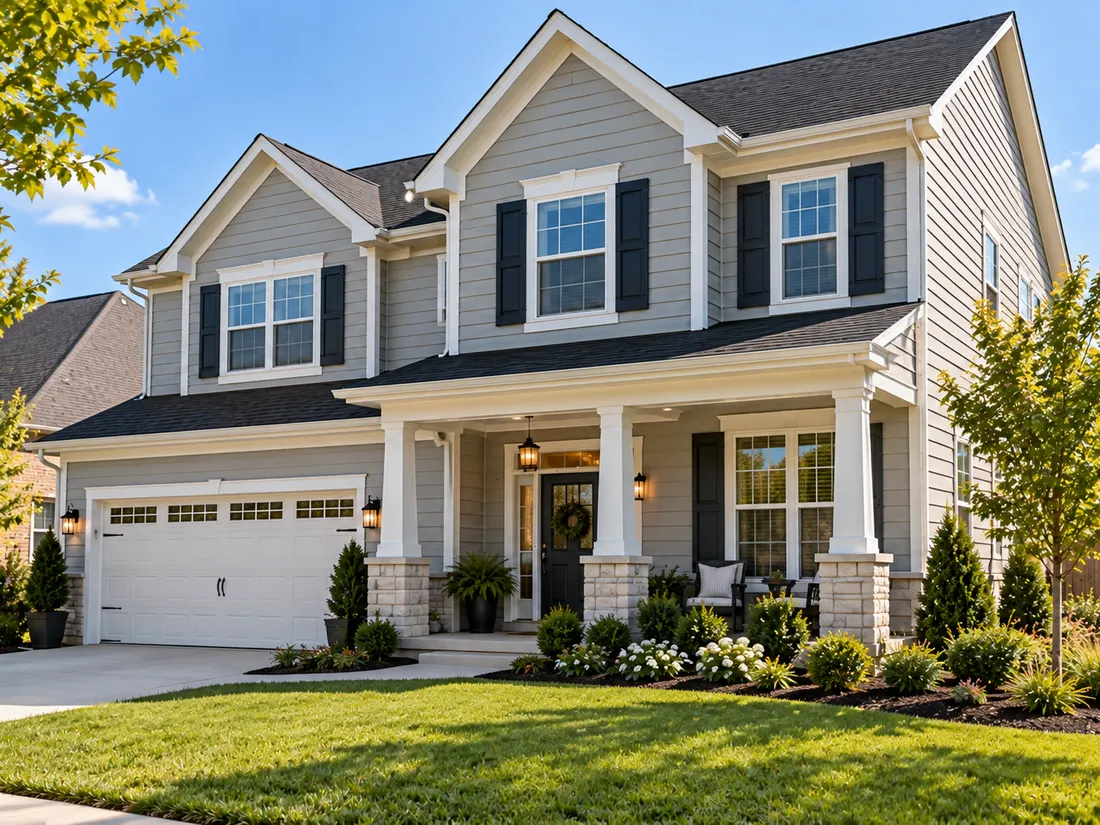
Non-Insulated Siding: common questions
If your priority is comfort and energy performance, insulated. If it’s the lowest cost route to a new exterior, non-insulated vinyl. Hardie fiber cement is the premium, most durable option. We’ll show you samples against your brick on site.
Modern vinyl and fiber cement siding is designed to hold its color and shape for decades in Texas sun, hail and heat. We’ve repaired siding we installed more than twenty years ago that was still in good shape.
Usually. We’ve tracked down matches even after a manufacturer changed lines.
A soft brush and a garden hose with mild soap handle most of it. Avoid a pressure washer at close range, since it can drive water behind the panels. Keep grills and anything hot away from the walls.
Not without taking the siding back off, so it is worth deciding now. If comfort in the rooms on your west wall is a concern, ask us to price both so you can compare before we order.
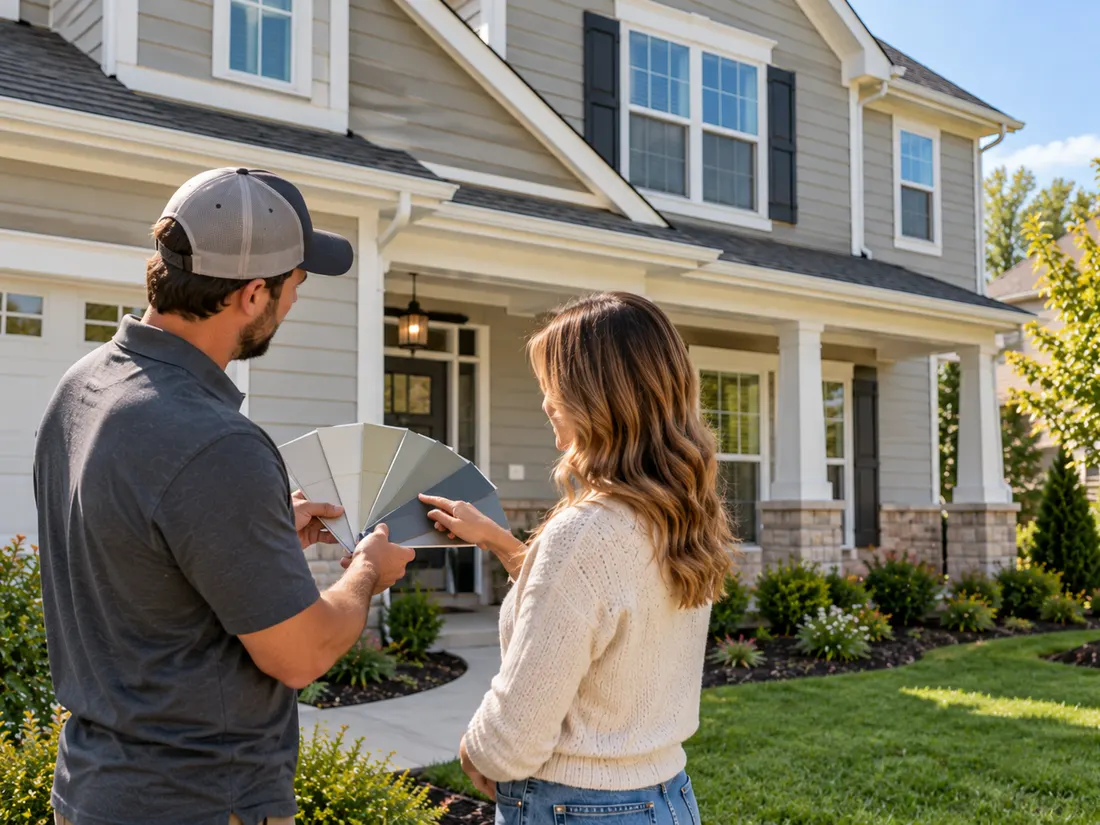
Before You Commit to Non-Insulated Siding
- Choose the profile. Lap, Dutch lap and board-and-batten change how the house reads. See full-length samples against your brick before deciding.
- Watch for reflected sun. Low-E glass on a neighboring house can concentrate sunlight onto a wall and distort vinyl. It is worth a look on tight lots.
- Keep a few spare panels. Spares from the same run mean a hail-damaged section can be replaced later in an exact color match.
How does a vinyl siding project run?
- 1
A free inspection and quote
We look at what is behind the current siding as far as we can, measure the elevations and give you a firm price with the material you choose.
- 2
Tear-off and inspection
The old siding comes off so the sheathing and any damage can be seen and dealt with before the new wall goes on. That is where most surprises live.
- 3
Flashing, wrap and install
House wrap and flashing go on properly at every opening and penetration; on a North Texas wall that detail decides how long it stays dry.
- 4
Walkthrough and warranty
We walk the whole exterior with you, clear the site of debris and nails, and leave the manufacturer and installation warranties together.
Reading on Non-Insulated Siding
Practical notes on your home in North Texas.
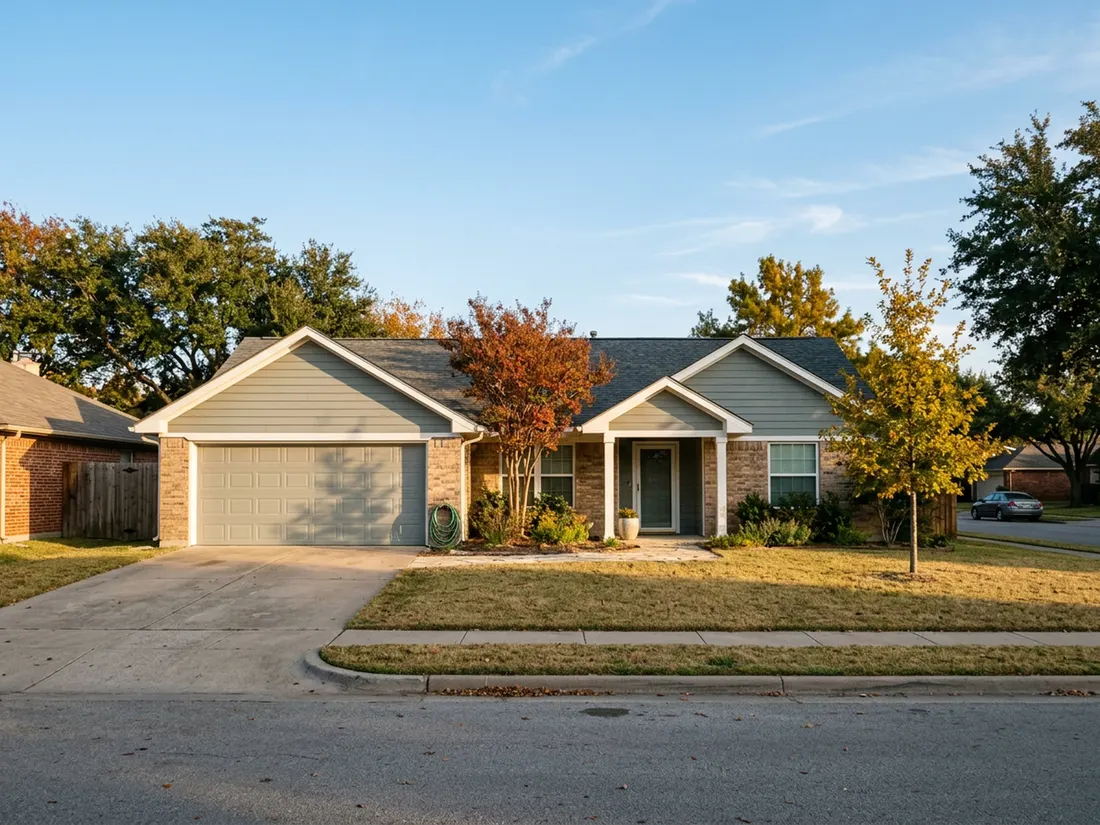
Does Insulated Siding Lower Energy Bills in DFW?
The honest answer on insulated siding in North Texas: what it genuinely does to a wall, what it has no effect on at all, and why anyone quoting you a savings percentage is guessing.
Siding Replacement in Dallas: Signs It’s Time
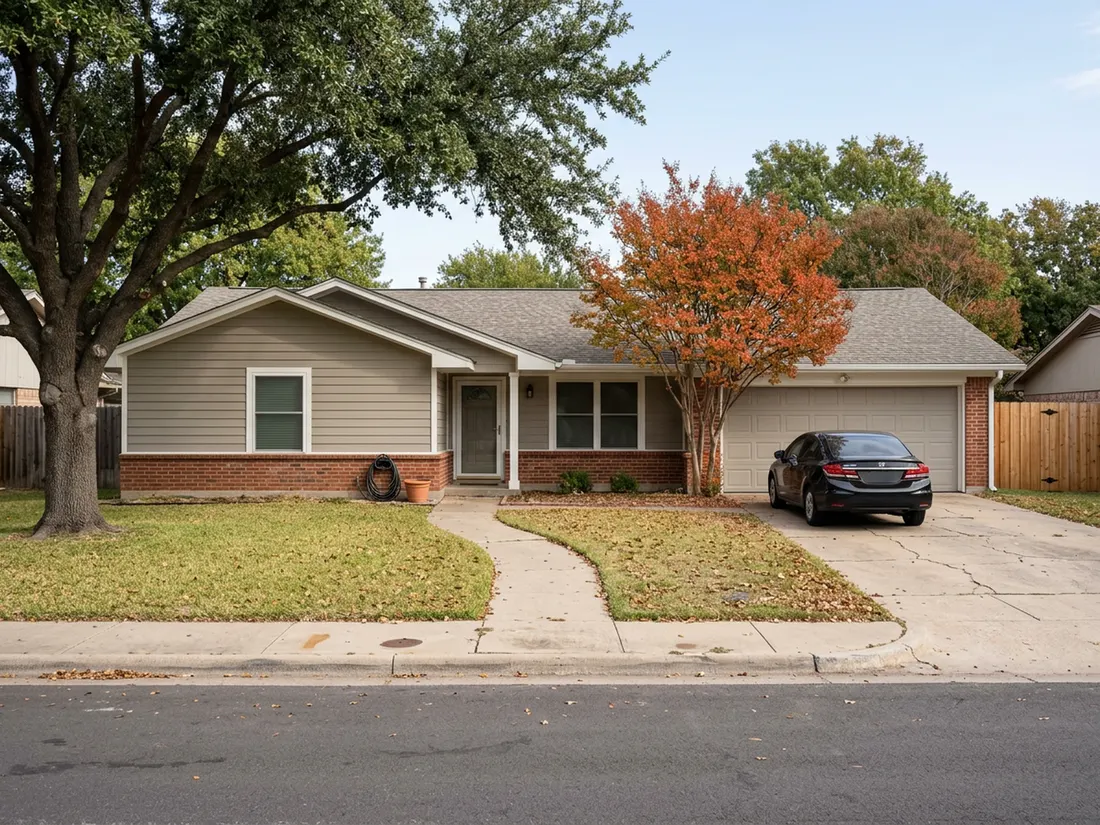
Faded siding is rarely a reason to replace anything. Here is how to tell a cosmetic problem from a wall that is letting water in, and what North Texas weather does to each material.
Siding Color for a Texas Home: Pick It Wall by Wall
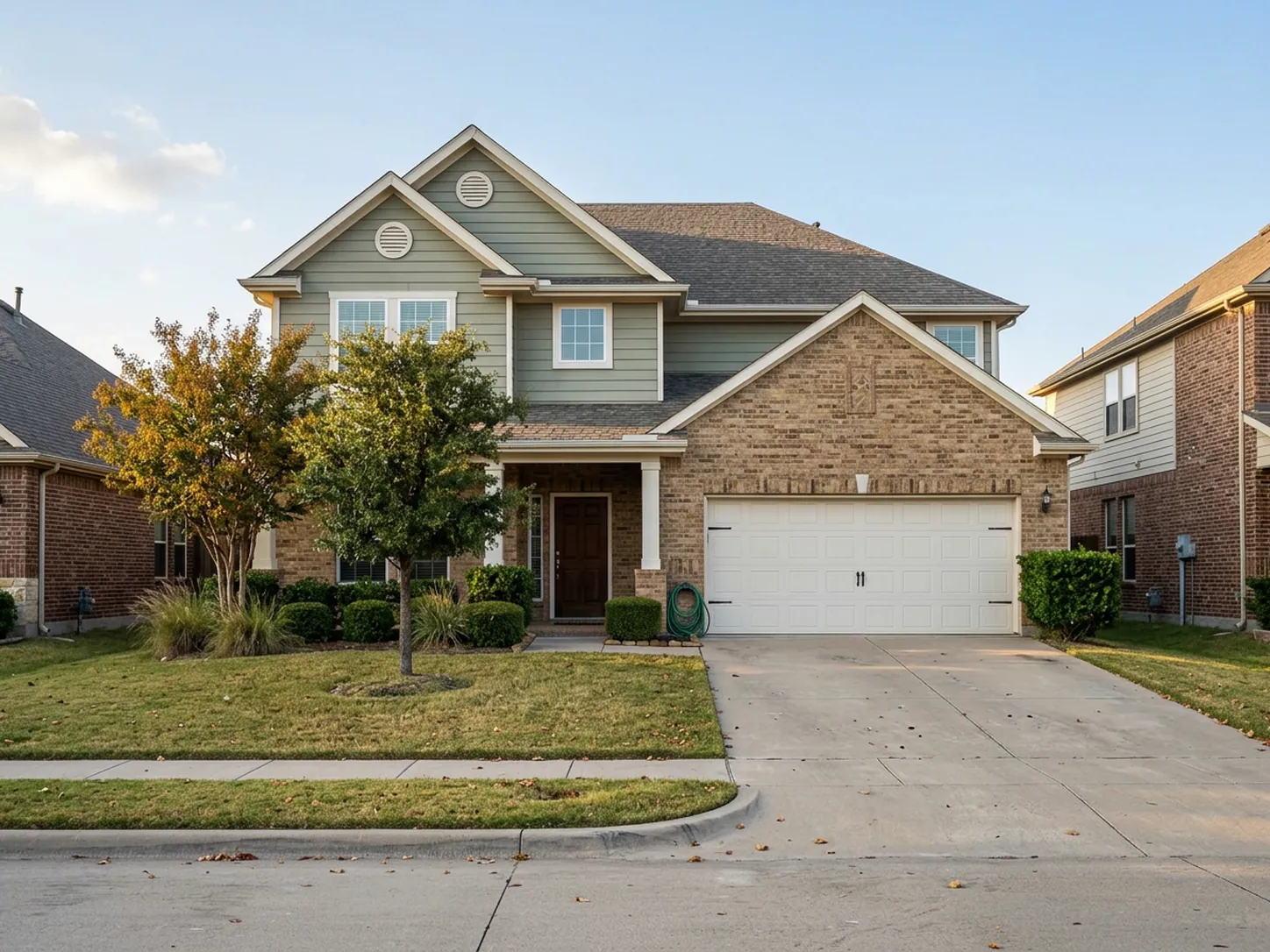
Siding color is a heat decision, a paperwork decision and a brick decision, and the answer changes from one wall of the house to the next. Here is the order we work through it in North Texas.
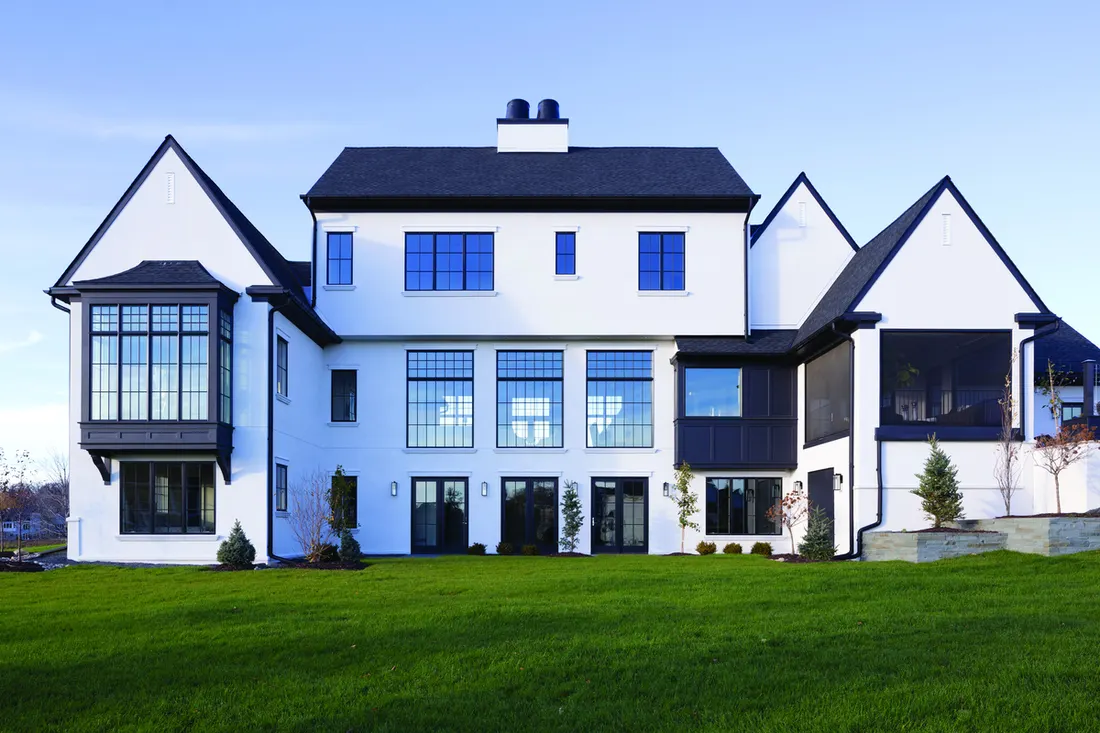
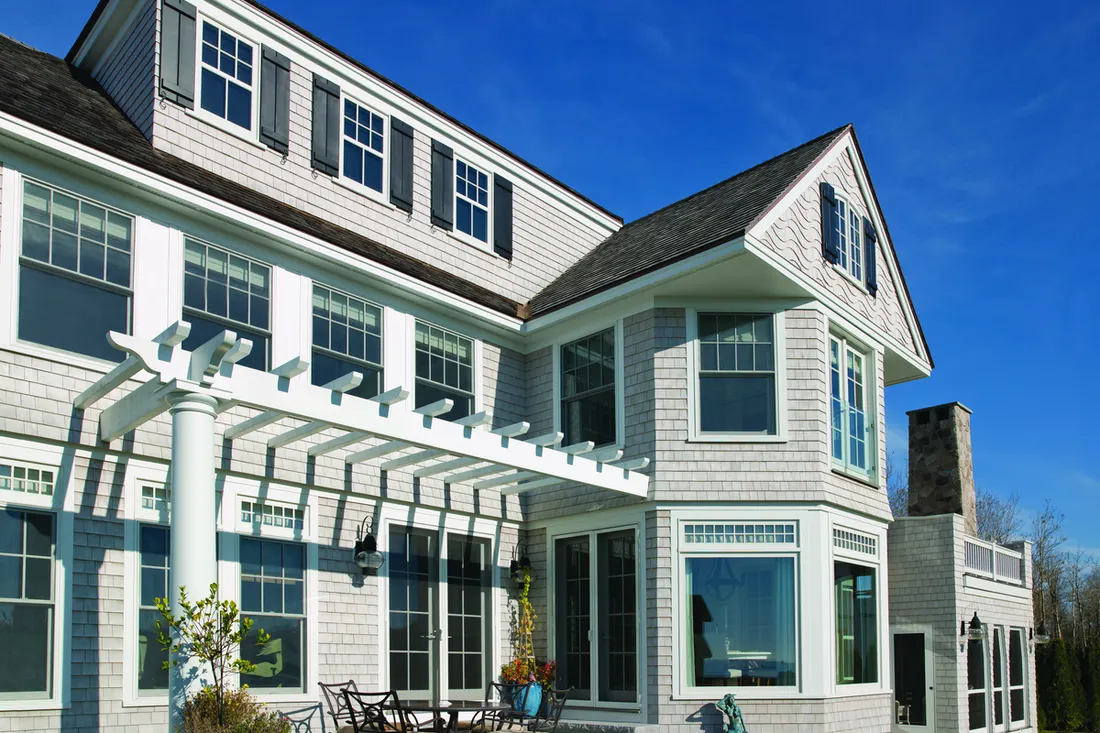
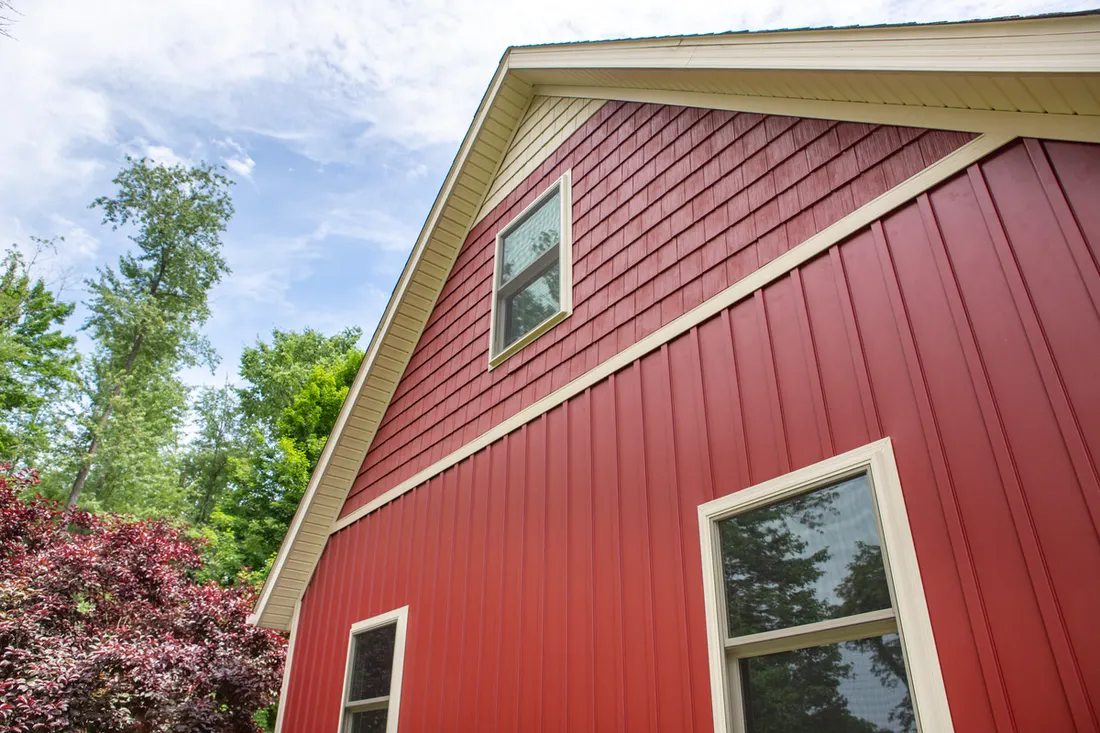
Recent siding and window projects
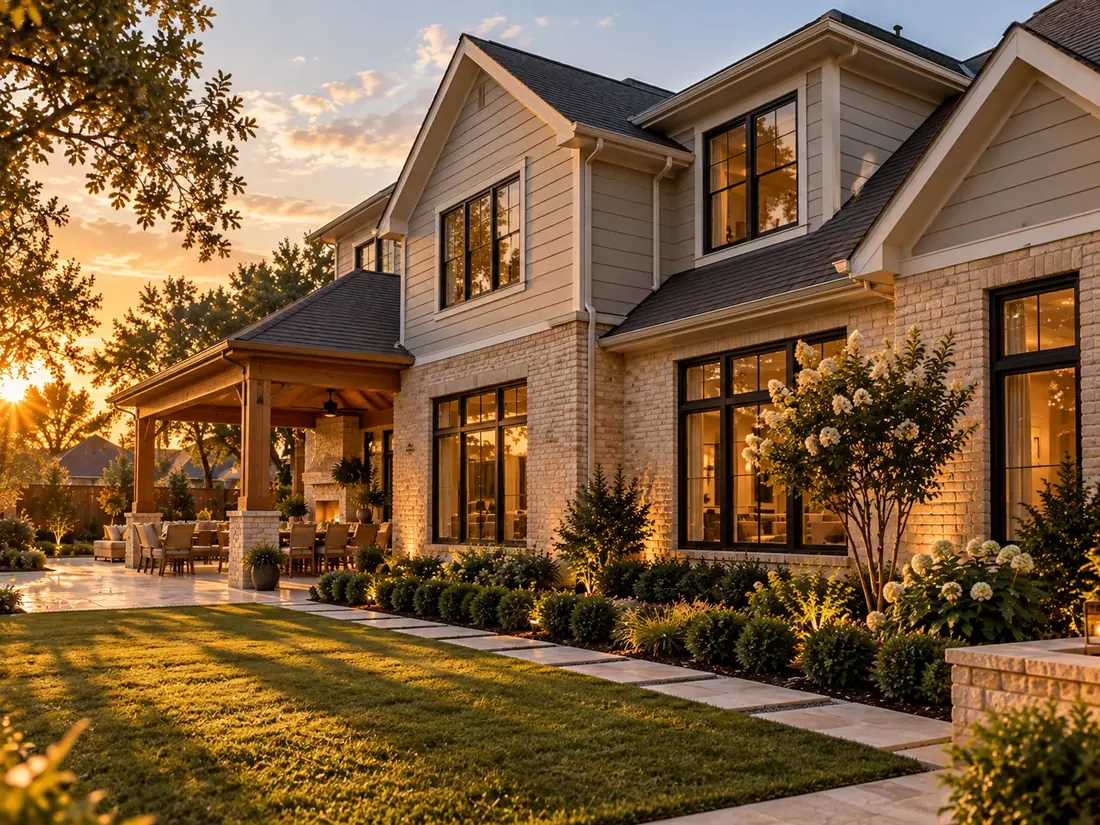
Other siding options
Who builds your project
- Family-owned since 1984. Dallas–Fort Worth homeowners have hired Longhorn for four decades. The business is still family-owned.
- One team, start to finish. The person who measures your home and the crew that installs the work are both Longhorn's, on one schedule.
- In-house crews. The people who quote the job are the people who stand behind it.
- Permits and HOA handled. We draw the job, file the permit with your city and prepare what most HOAs ask for.
- One warranty. One company answers for the whole project, not a folder of separate contractors.
Free estimate on Non-Insulated Siding
We’ll come out, measure, talk through the options and give you a firm number. No obligation.
Call (214) 251-4928Get Your Free Estimate
4.8 on Google from 16 reviewsFamily-owned since 1984