

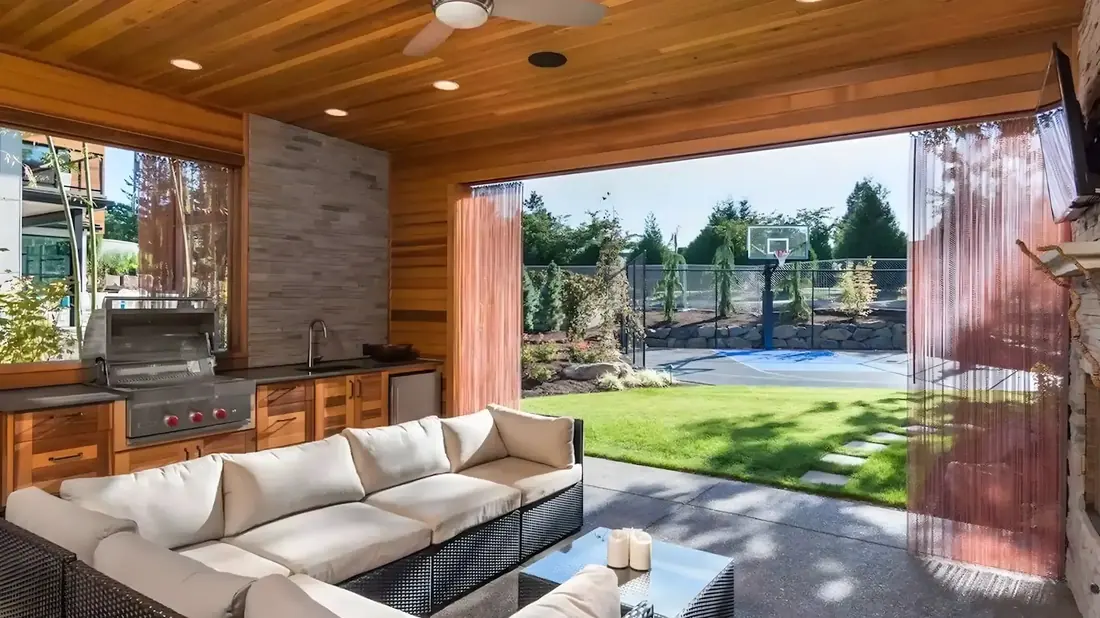
Outdoor Living in Fort Worth, TX
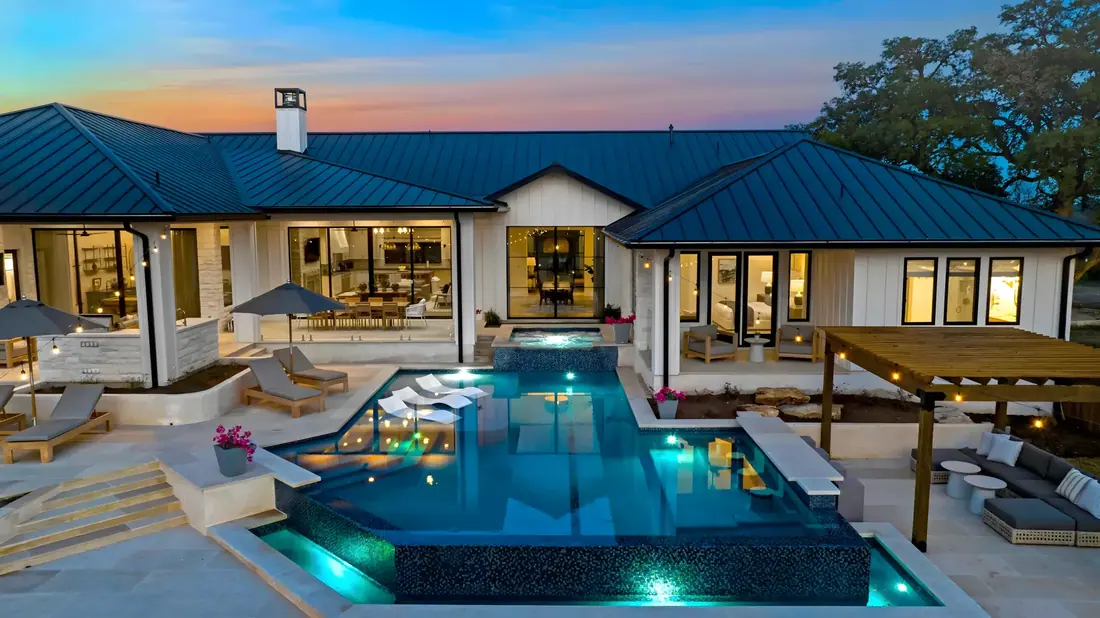
Outdoor living is the covered patio, pool, kitchen, stone and lighting that make a backyard part of the home. Longhorn designs and builds them together for Fort Worth homeowners in Tarrant County, with one family-owned team.
- 40+Years in Business
- 15,000+Projects Completed
- 1984Family-Owned Since
- 90DFW Cities Served

Before you build in Fort Worth
West of the Trinity the soil thins out fast. On a Fort Worth pool that often means rock in the excavation, so we would rather put a real number on it at the design visit than hand you a surprise at the dig.
That ground decides how a slab, a pool shell or a footing has to be built here. Here is what it does to a patio.
In Fort Worth the job is reviewed by the Development Services Department, and we file and follow the permit through that office ourselves. Fort Worth treats pools and accessory structures as separate residential permit types, each with its own submittal checklist. Our permit guide lists the office for every city we have checked.
Longhorn has built across Tarrant County and the wider Metroplex since 1984, and every project starts with a free design visit and a firm price.
Outdoor living we build in Fort Worth, TX
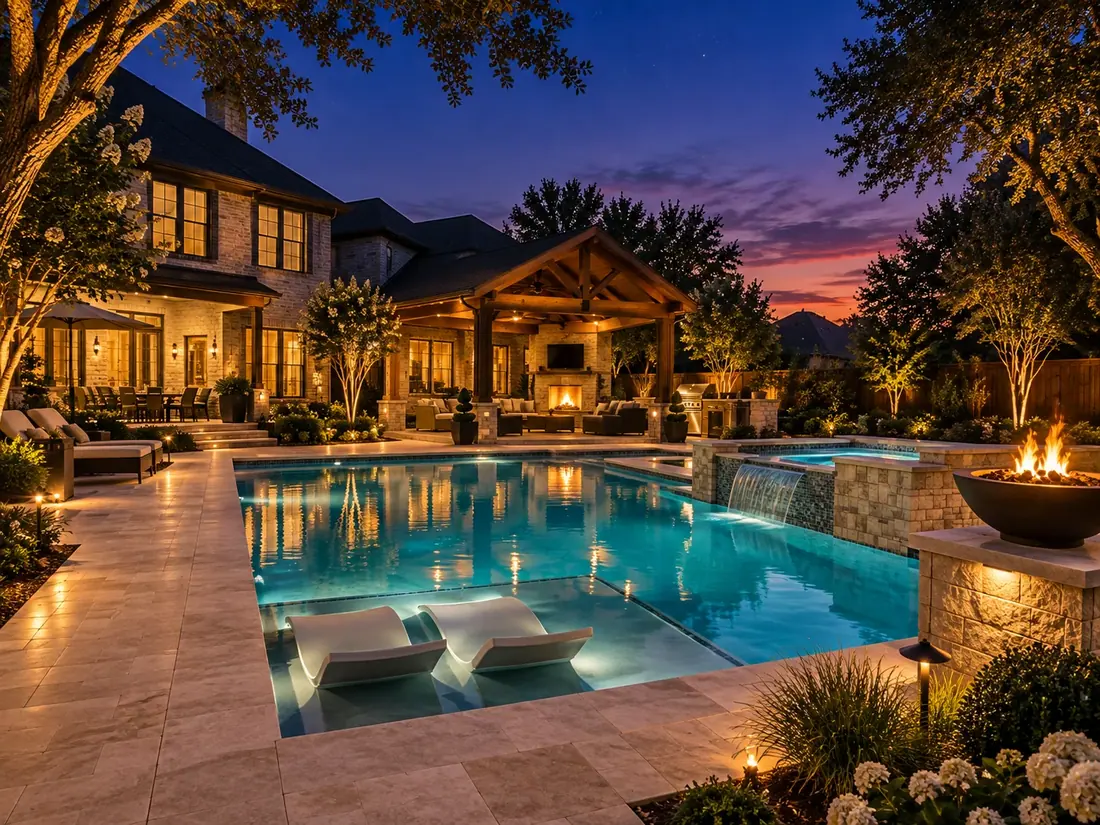
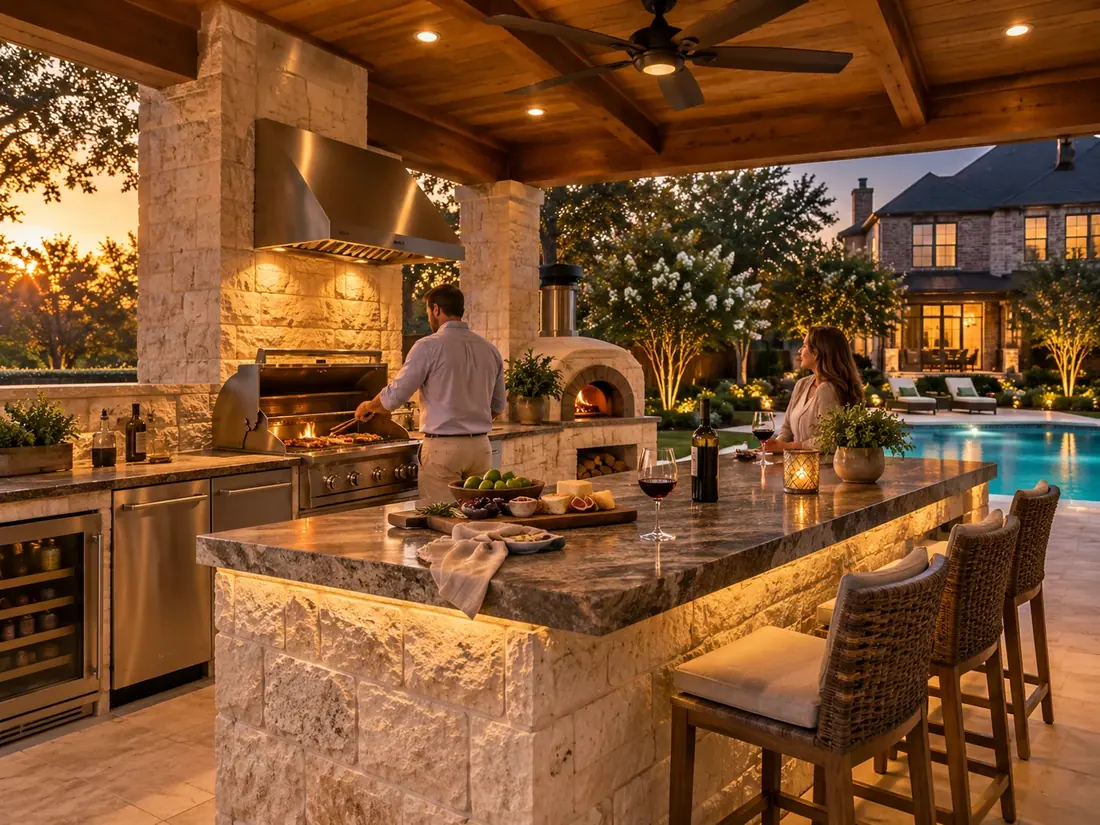
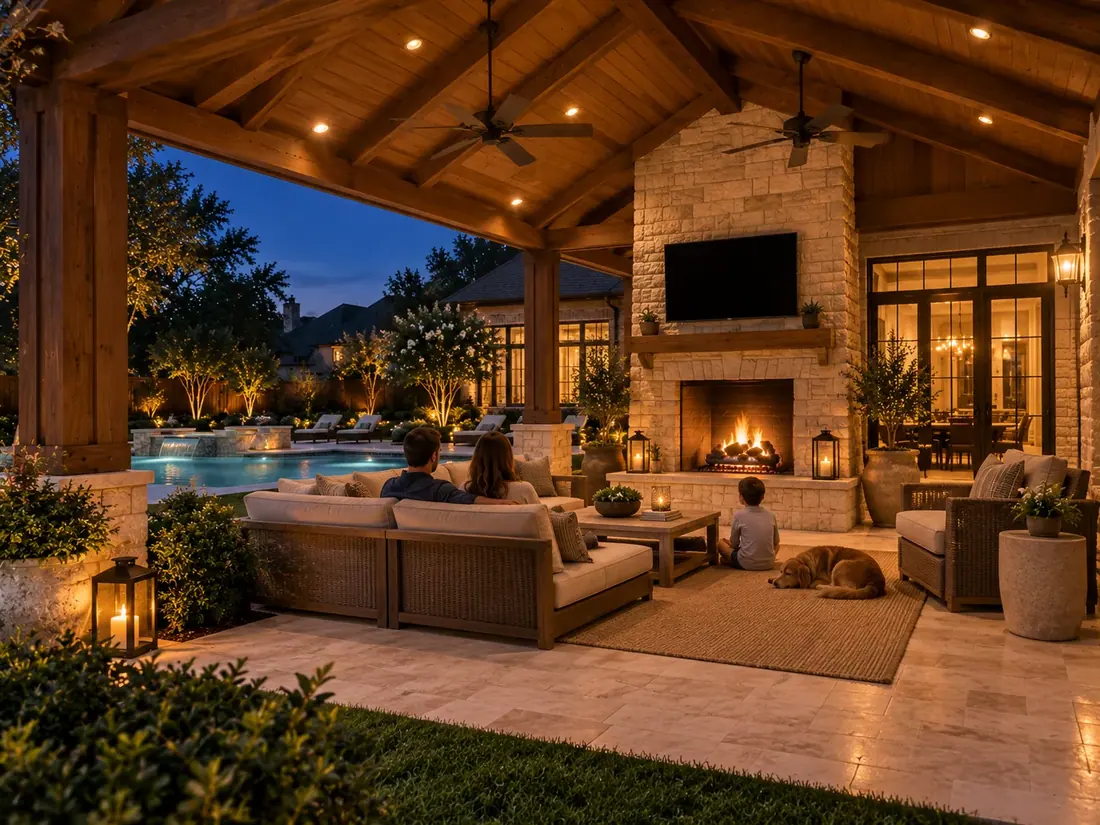
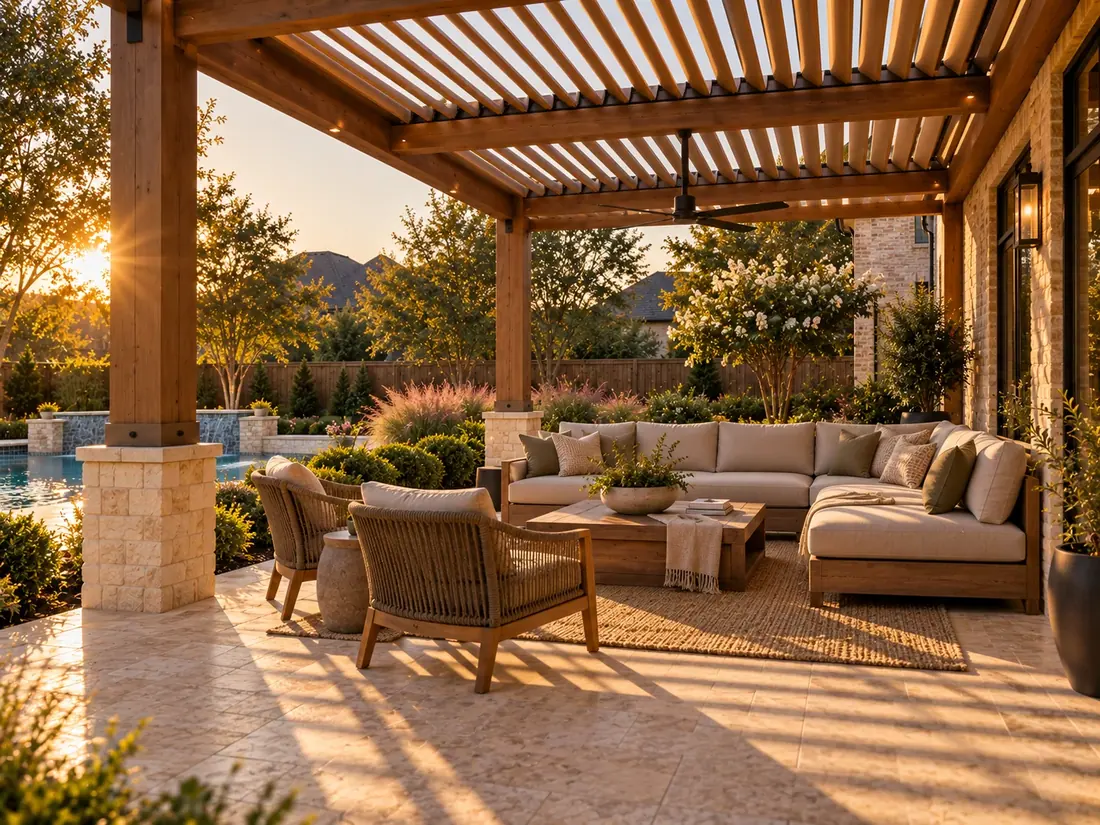
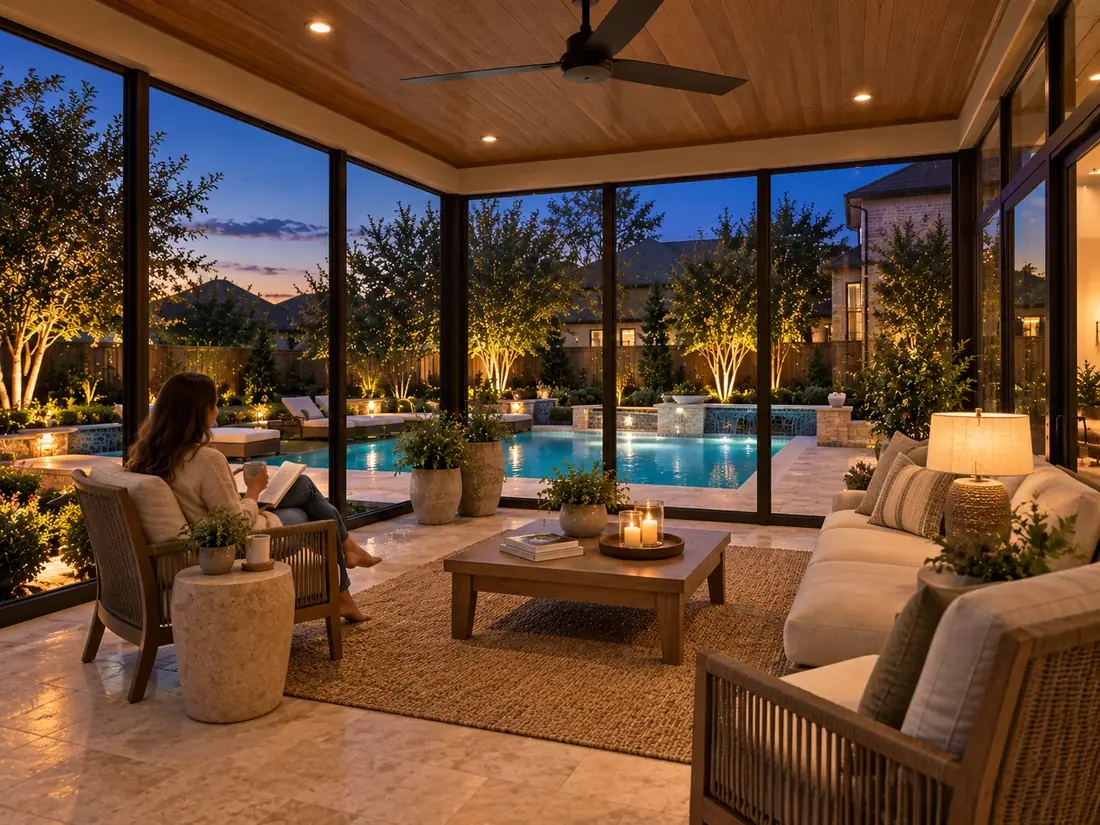
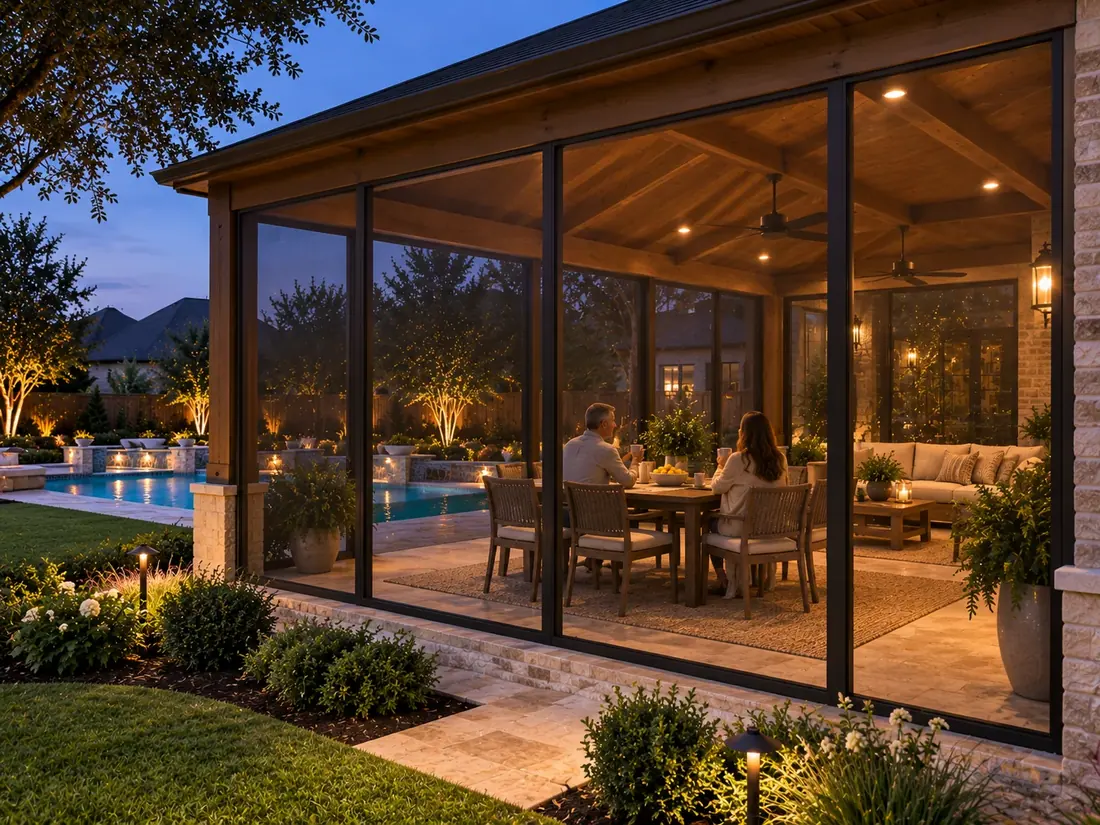
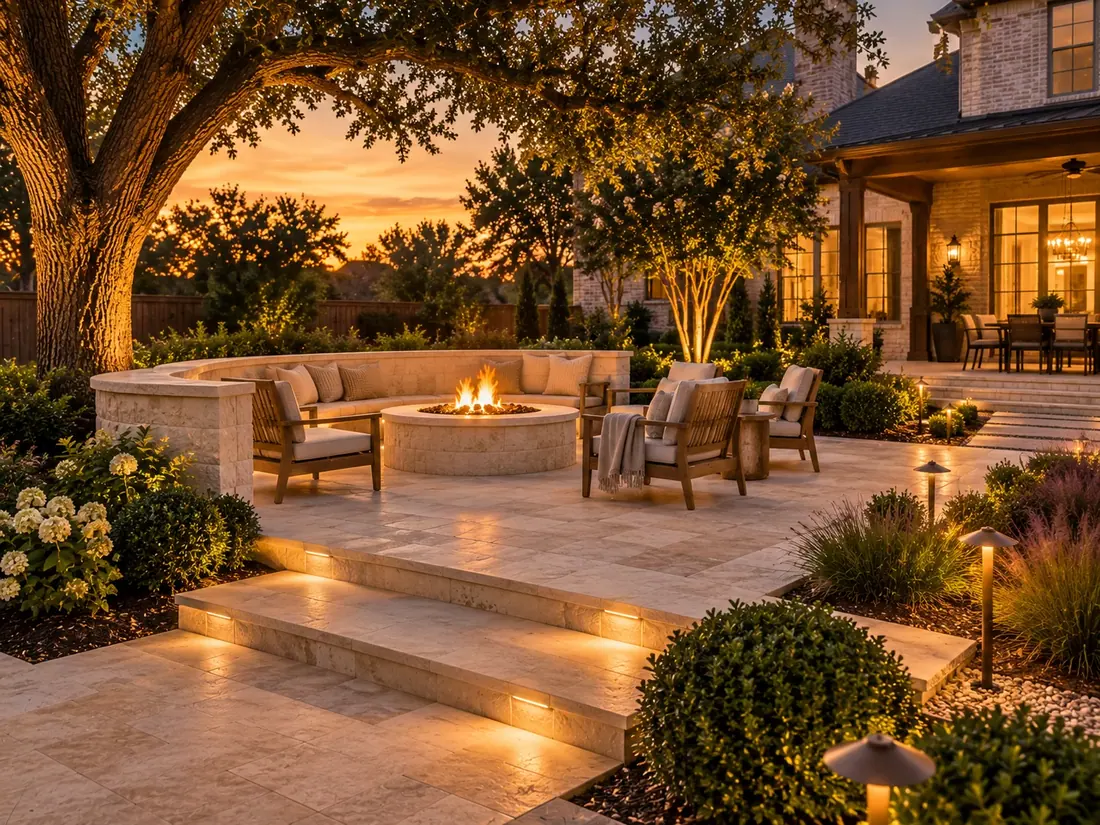
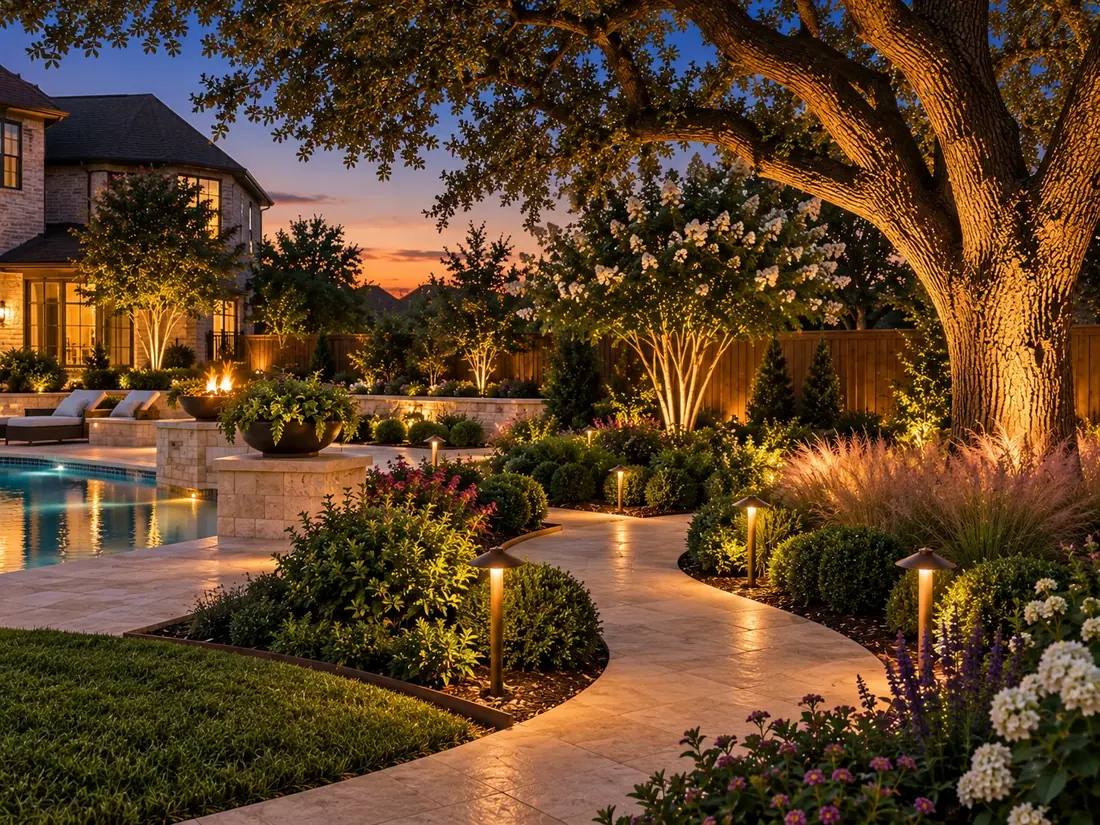
Most asked for in Fort Worth: patio enclosures, patio covers, sunrooms, pergolas, outdoor kitchens, pools.
Homes and Yards in Fort Worth
New neighborhoods spread across Fort Worth’s south and east sides after World War II, and since the 1980s suburban growth has pushed north along the I-35W corridor toward Alliance.
On older lots, big shade trees, narrow side gates and aging utility lines are common, so crew access and where the old lines run get checked at the first visit.
Fort Worth sits where the Clear Fork meets the West Fork of the Trinity River, with Cross Timbers country on its east side and flat prairie to the west. Where an older oak survives on a lot, it is an asset: its root zone is marked before any digging, and its shade goes into the layout.
Fort Worth’s city water utility, which draws from Lake Worth, Eagle Mountain Lake, Lake Benbrook, Cedar Creek Reservoir and Richland-Chambers Reservoir.
Fort Worth grew from a little more than one-third of a square mile to 100 square miles in 1949 and 272 square miles by 2019. Early growth went south and east, while the north side of the river and the western heights were slow to develop; the Swift and Armour plants of 1903 built up the North Side, and Camp Bowie’s infrastructure brought Arlington Heights. The Paddock Viaduct of 1914 replaced an 1889 iron bridge, and the Panther Island project would re-channel the Trinity north of downtown to protect 2,400 acres from flooding, at a cost that rose from $500 million in 2005 to $1.2 billion. The Botanic Garden dates from the New Deal.
Fort Worth uses surface water from six sources, with raw water from the Tarrant Regional Water District. Watering is allowed twice a week: no one waters Monday, even-numbered addresses water Wednesday and Saturday, odd-numbered Thursday and Sunday, and non-residential sites Tuesday and Friday. Sprinklers may not run between 10 a.m. and 6 p.m. or during rain, systems installed on or after June 1, 2007 need rain and freeze sensors, and violations draw $25, $50, and $75 fees before a citation and meter lock-out.
Development Services (City Hall, 100 Fort Worth Trail; 817-392-2222) requires permits for solid fences above 7 feet and open fences above 8 feet, for all accessory structures including gazebos, outdoor fireplaces, and fountains with plumbing, for all carports including fabric ones, for decks more than 6 inches above grade, and for retaining walls over 4 feet from the bottom of the footing.
Fort Worth services, one by one
What each project needs on Fort Worth ground and through the City of Fort Worth.
What each outdoor project needs in Fort Worth, TX
What does a patio cover need in Fort Worth?
Fort Worth Prairie limestone sits close to the surface, which is good news for a patio cover: footings bear on rock instead of moving clay. The trade is excavation: drilling a footing into limestone takes different equipment than augering clay, and that belongs in the price up front. In Fort Worth the permit goes through the Development Services Department, and Longhorn files it and follows it through inspection. More on patio covers.
How is a pergola built to last in Fort Worth?
On Fort Worth Prairie ground a pergola’s footings usually reach limestone quickly, which makes for a stable base. Getting there is the work: shallow rock means drilling rather than augering, and it is worth knowing before anyone quotes a post count. More on pergolas.
How is a pool built in Fort Worth?
Fort Worth Prairie ground is shallow soil over limestone, so a pool excavation here often means rock rather than shrink-swell clay. That is a cost we would rather price honestly at the design visit than discover halfway through the dig, and it is the single biggest variable on this side of the metroplex. In Fort Worth the permit goes through the Development Services Department, and Longhorn files it and follows it through inspection. More on pools.
Can a sunroom or screened enclosure be added in Fort Worth?
A sunroom or screened enclosure in Fort Worth is attached to the house, so it is permitted through the Development Services Department and sits on footings designed for the ground under it. We match the roofline and the exterior to the house so it reads as part of it. More on sunrooms and patio enclosures.
How a Backyard Project Runs in Fort Worth
- 1
A free design visit in Fort Worth
A designer comes out to the house, measures the space a backyard project has to fit, walks the access a crew would need, and talks through what you want it to do. You leave with a firm price. On Fort Worth Prairie ground, that is also when the grading, drainage and movement details get decided rather than improvised on site.
- 2
Drawings, permit and HOA
We file the permit with Development Services Department at the City of Fort Worth and follow it through review. Where an HOA wants a submittal, we prepare the drawings it asks for.
- 3
One crew, one schedule
The same team builds the whole backyard project in order, so the slab, the structure, the electrical and the finish work are not three different companies working around each other.
- 4
Walkthrough and warranty
We walk the finished backyard project with you, settle the punch list and leave one warranty on the work, and we are still Tarrant County-local if you need us later.
Fort Worth outdoor living questions
The Development Services Department reviews residential projects in Fort Worth. Pools and structures attached to the house, such as patio covers, sunrooms and enclosures, almost always need a permit. Longhorn files it and follows it through inspection. Fort Worth treats pools and accessory structures as separate residential permit types, each with its own submittal checklist.
Fort Worth sits on Fort Worth Prairie ground in Tarrant County. The ground decides how a slab, a pool shell or a footing has to be built, so we plan the drainage and the footings for it at the first visit rather than after something moves.
Where an HOA in Fort Worth asks for a submittal, we prepare the drawings and details it wants, alongside the city permit, so the approval runs in parallel with the design rather than after it.
Yes. Many homeowners start with one piece, such as a pool or a patio cover, and add the rest later. We plan the whole space up front so the gas, power, water and drainage for later phases are in place from the start.
Other cities we build in near Fort Worth
Outdoor living guides
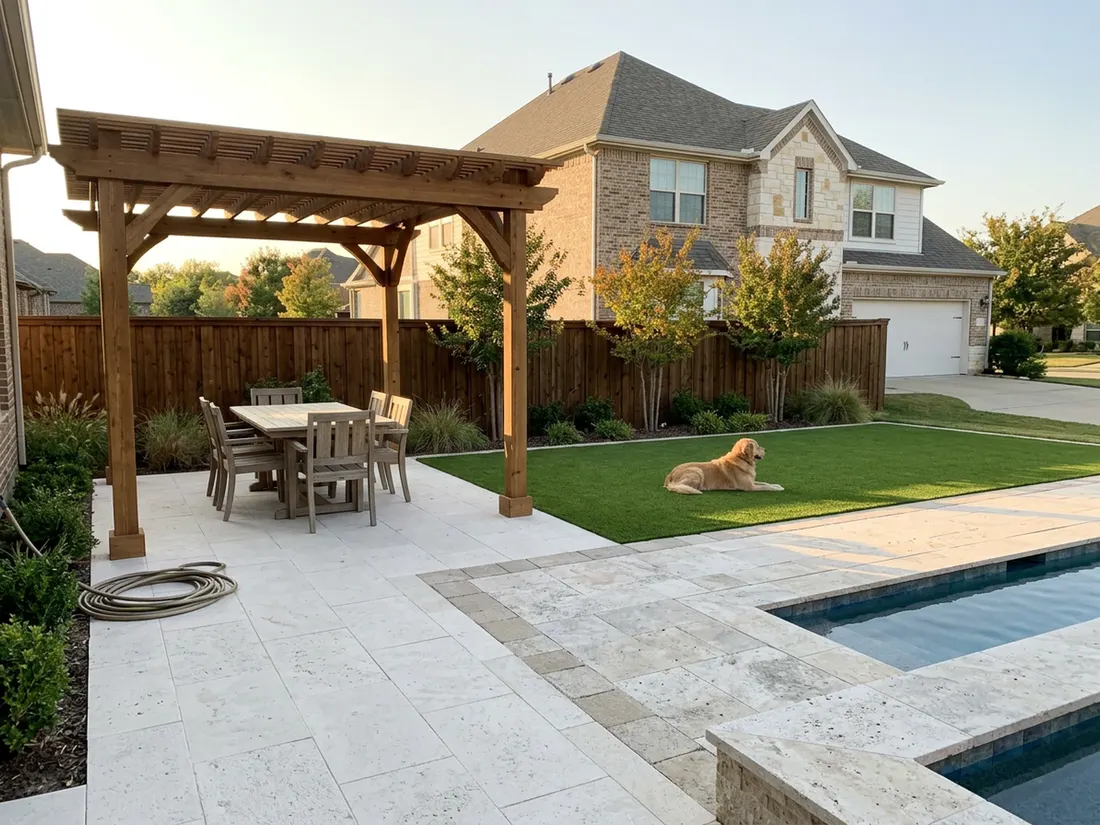
Outdoor Flooring for a Frisco Backyard: Pick by Zone
One yard, five jobs for the ground: dining, cooking, swimming, play and the dog. Here is how to match a surface to each zone, and what Frisco’s clay, heat and city rules change.
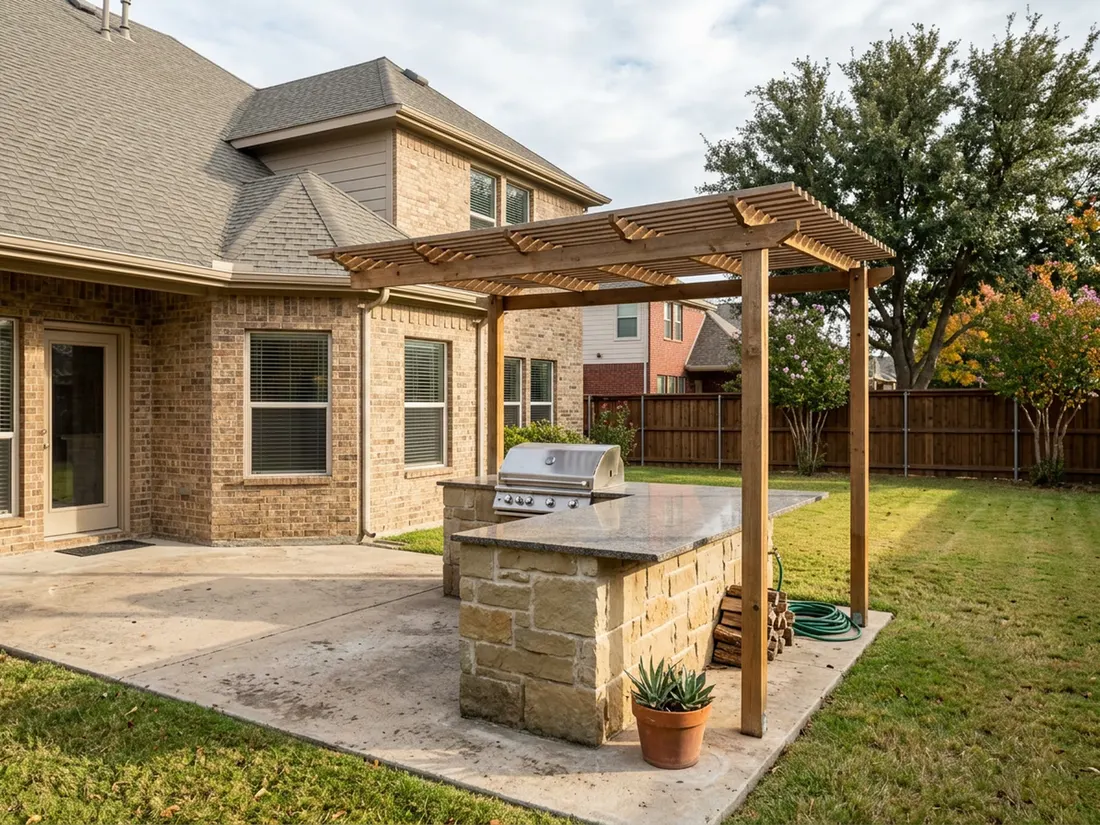
Outdoor Kitchen Countertop Materials in Frisco, TX
Granite, porcelain, quartzite and quartz all behave differently in Frisco sun, freezes and clay. Here is a pick by exposure, a sealing test, and what the base under the stone needs.
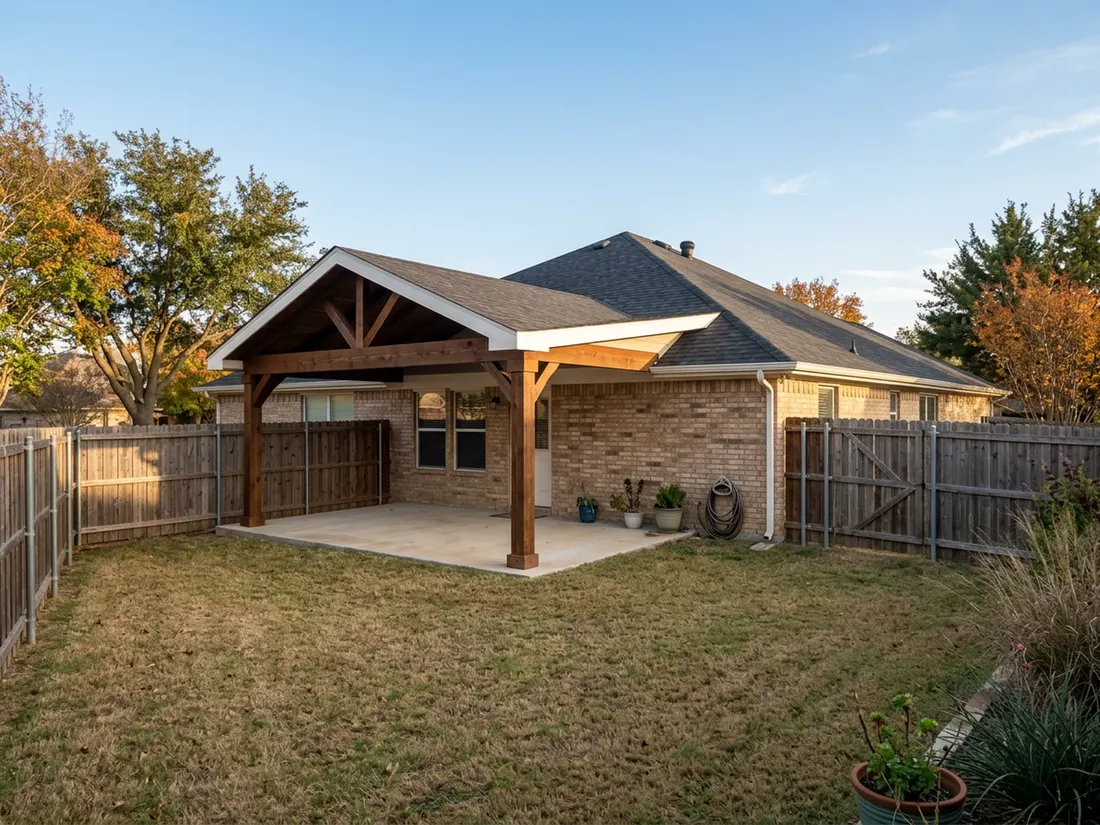
HOA Approval for a Patio Cover in Texas: DFW Guide
The HOA and the city are two separate approvals, and the HOA usually comes first. Here is the packet a DFW committee wants, how long it takes, why it says no, and how to answer a denial.
Free design visits in Fort Worth
Tell us what you have in mind and we’ll come measure, talk options and give you a straight number. No obligation, no pressure.
Call (972) 534-2716Get Your Free Quote
4.8 on Google from 22 reviewsFamily-owned since 1984