

All-Season Sunrooms in Dallas–Fort Worth
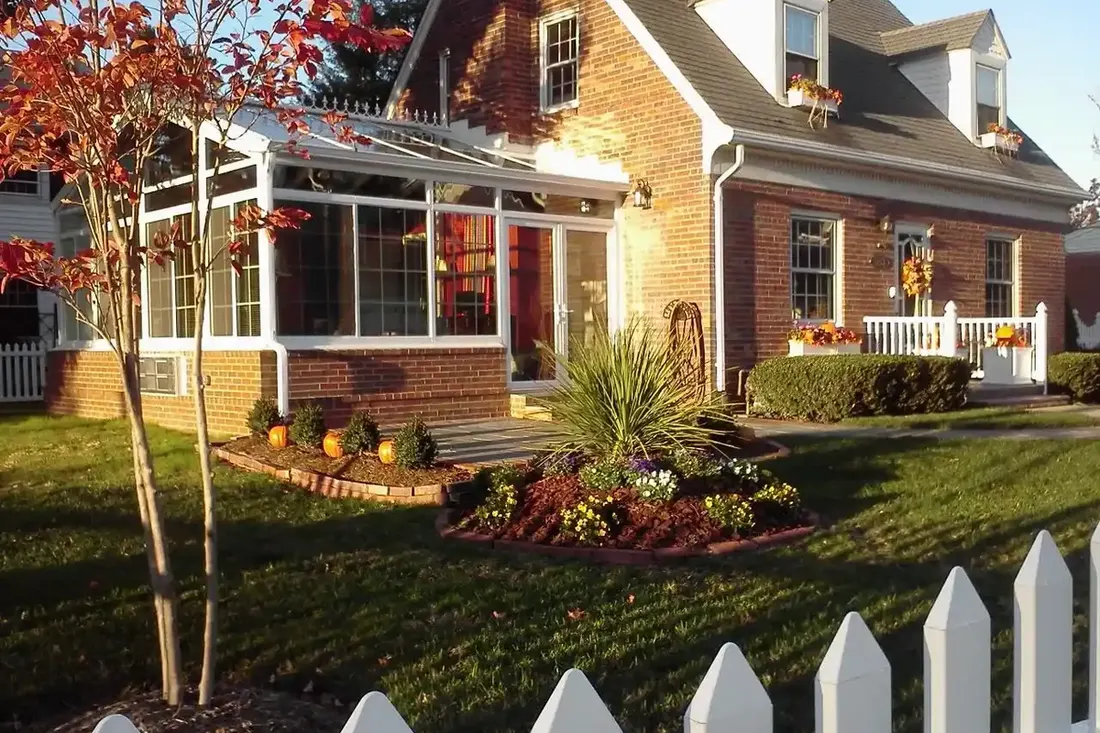
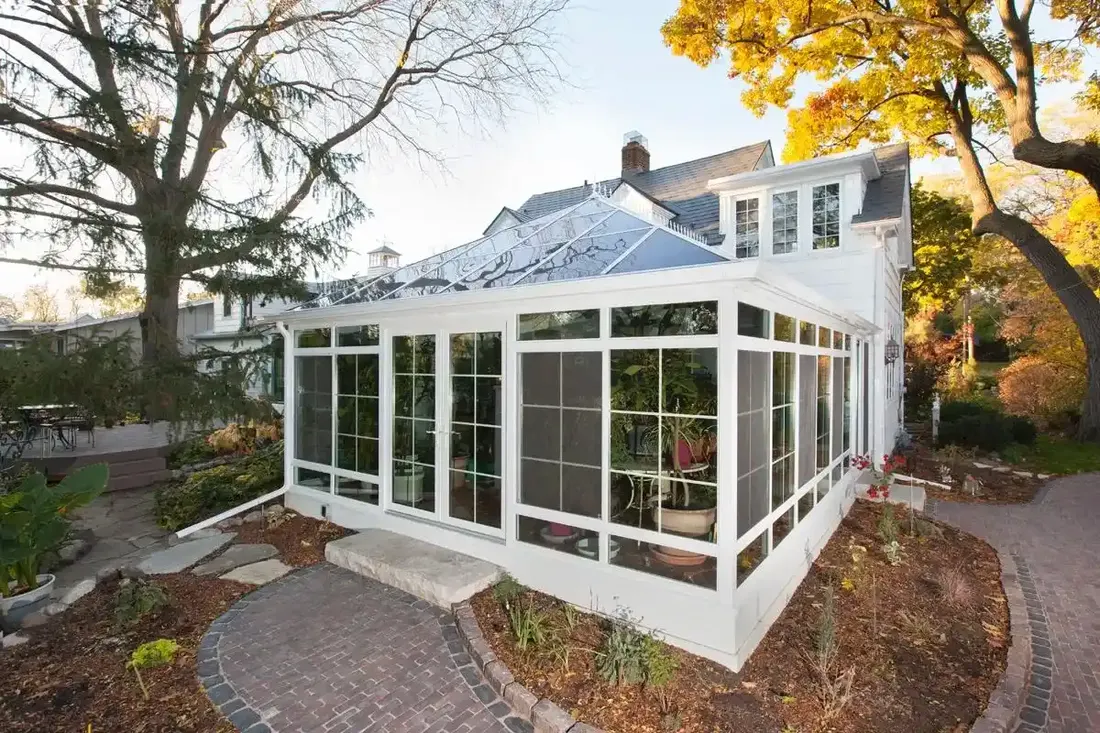
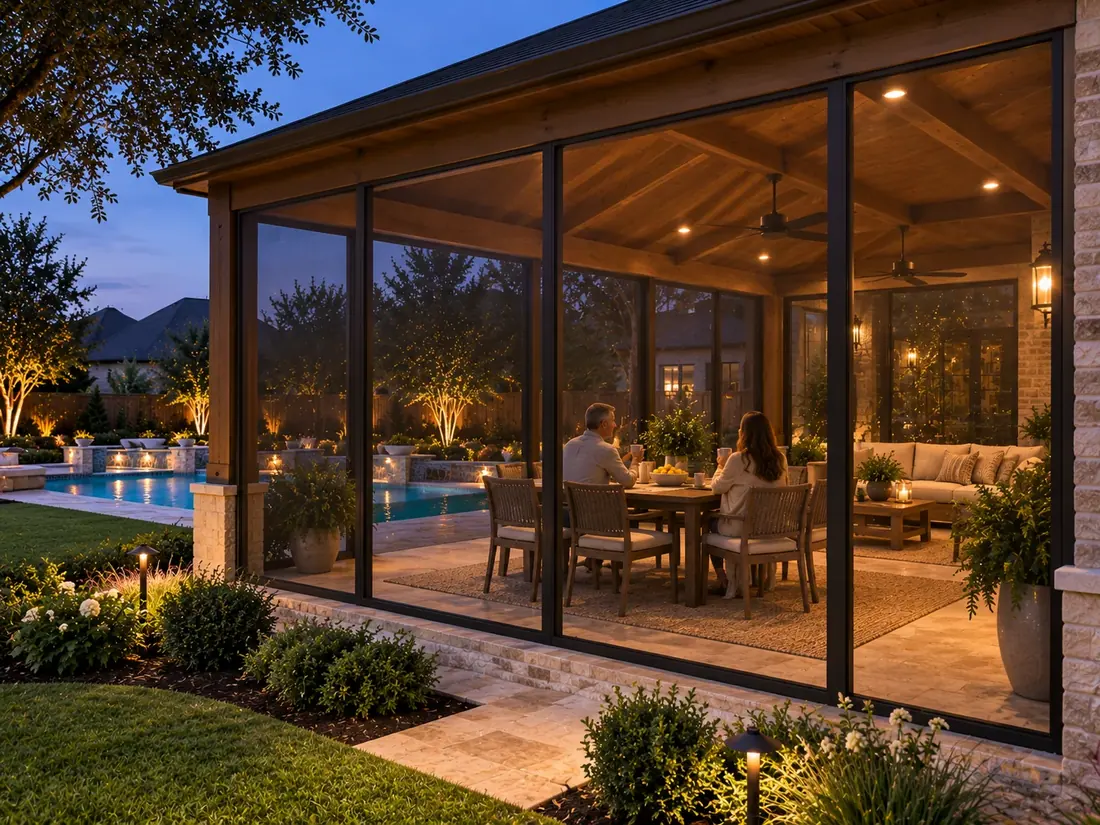
An all-season sunroom is a sunroom with insulated walls, roof and glazing, tied into heating and cooling so it can be used in every month of the year. All-season sunrooms: fully insulated, climate-ready rooms with their own heating and cooling. For families who want a sunroom that works in a January cold snap as well as on a mild October afternoon.
- 40+Years in Business
- 15,000+Projects Completed
- 1984Family-Owned Since
- 90DFW Cities Served

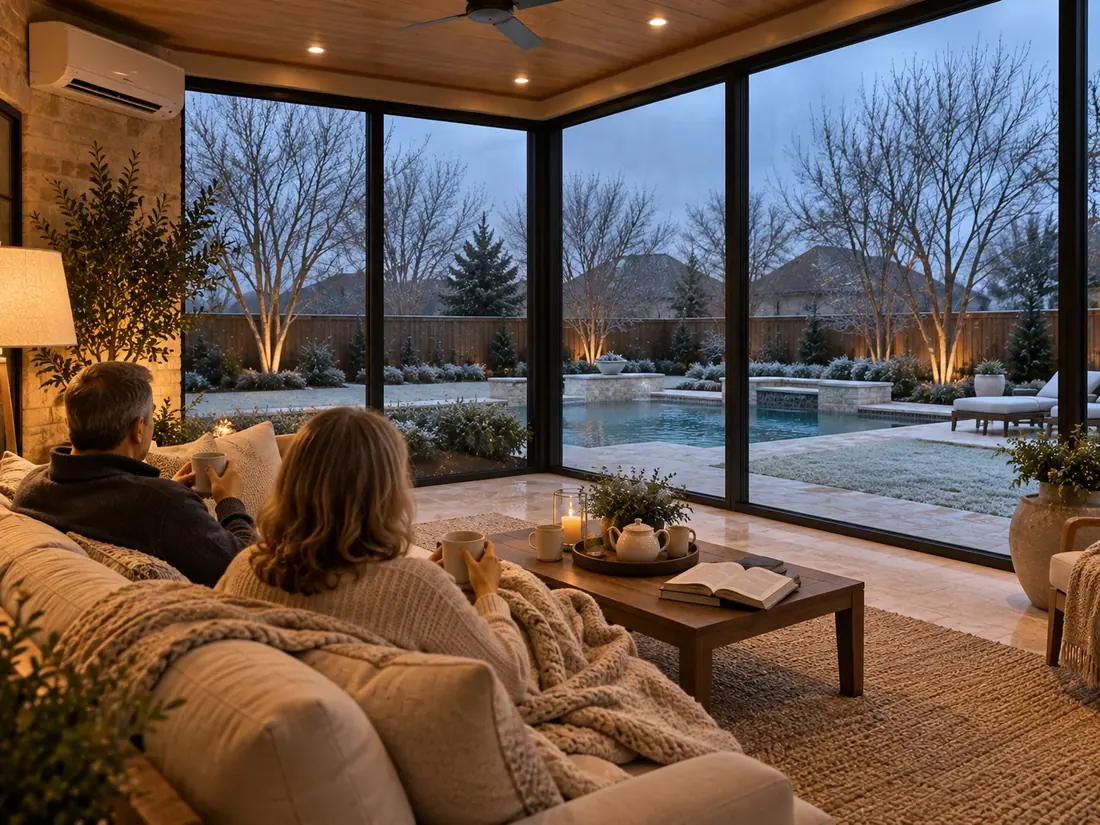
What’s in Longhorn’s All-Season Sunrooms?
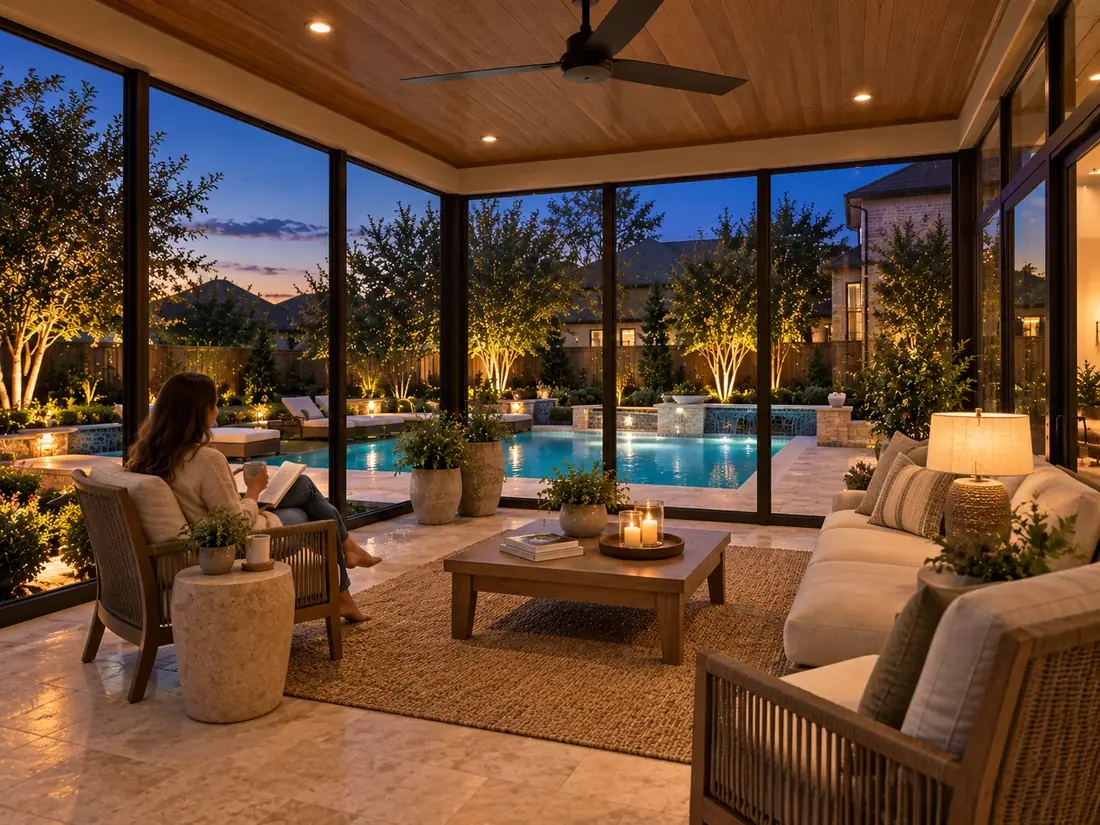
Unlike a sunroom, it is built and conditioned like the rest of the house, so it never becomes a room you shut up for the winter or avoid in August.
An all-season room makes sense when you want the space every month, not just spring and fall. It uses insulated walls, an insulated roof and better glazing so it can be tied into your heating and cooling. A sunroom is lighter built and meant for the milder months. A screen room is open to the air.
- Insulated walls, roof and glazing throughout
- Can be tied into heating and cooling
- Functions as a true year-round room, not a seasonal one
How are All-Season Sunrooms installed, priced and cared for?
Because it becomes part of the conditioned house, the details matter more: the foundation, the tie-in to the existing roof and walls, and how the room is heated and cooled. On Blackland clay, we check whether the existing slab can carry walls or whether it needs footings or a new pour, because clay movement shows up as sticking doors and cracked corners.
What drives cost: the size, the amount and type of glass, the roof system, the foundation work, and how you heat and cool it (extending your system or adding a separate unit). We will walk through those tradeoffs at the design visit.
An all-season room is an addition in the eyes of most cities, so expect a permit and inspections. Our permit guide explains the steps. The work goes design, engineering and permit, foundation, framing and roof, windows and doors, then electrical, conditioning, finish and final inspection.
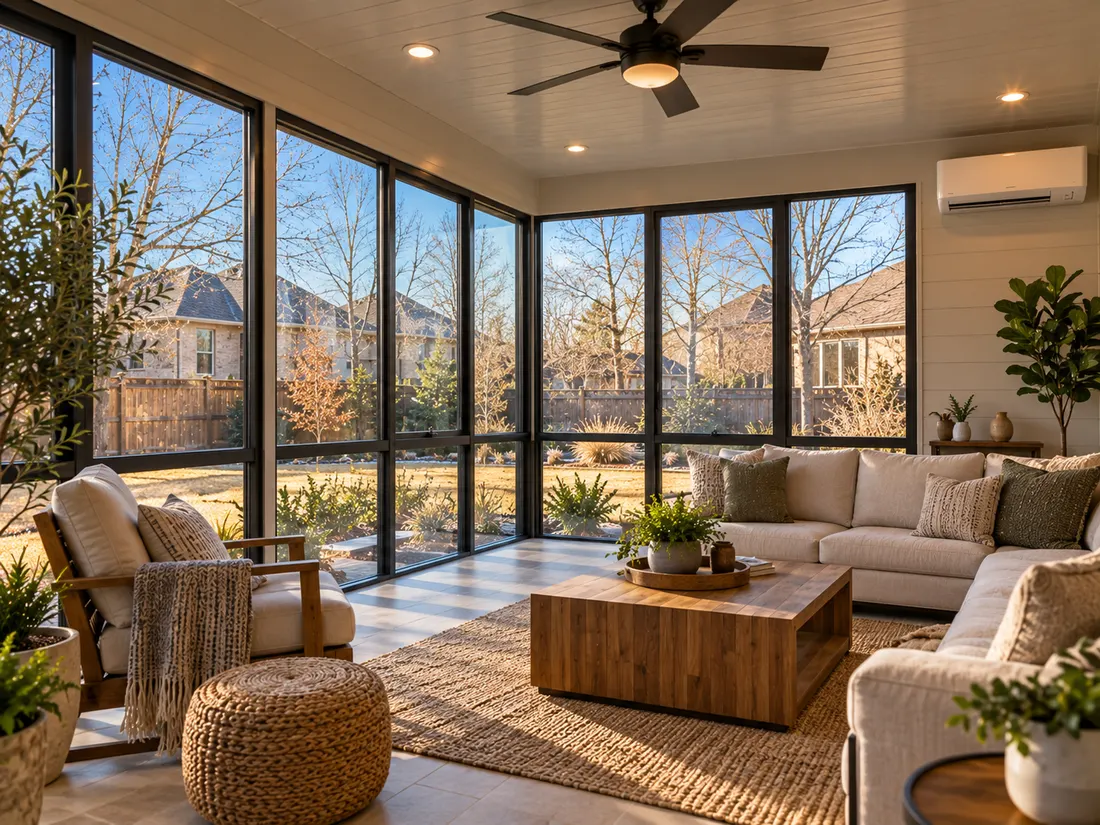
All-Season Sunrooms: common questions
Almost always for anything attached to the house. We file it and handle the inspection so it doesn’t stall your schedule.
Either by extending your existing system or by adding a separate unit. We’ll walk through the tradeoffs at the design visit.
A cover or pergola is typically a few days on site once permitted. Enclosures and sunrooms take longer because there’s more structure and glazing.
That is what it is built for. With insulated walls, roof and glazing, and the room tied into heat, it stays usable through a winter cold snap. Keep it conditioned like the rest of the house during a freeze rather than shutting the door on it.
If you mostly want the room in spring and fall and are fine closing it off in the extremes, a sunroom is enough. If you want to sit out there in August and January, choose all-season.
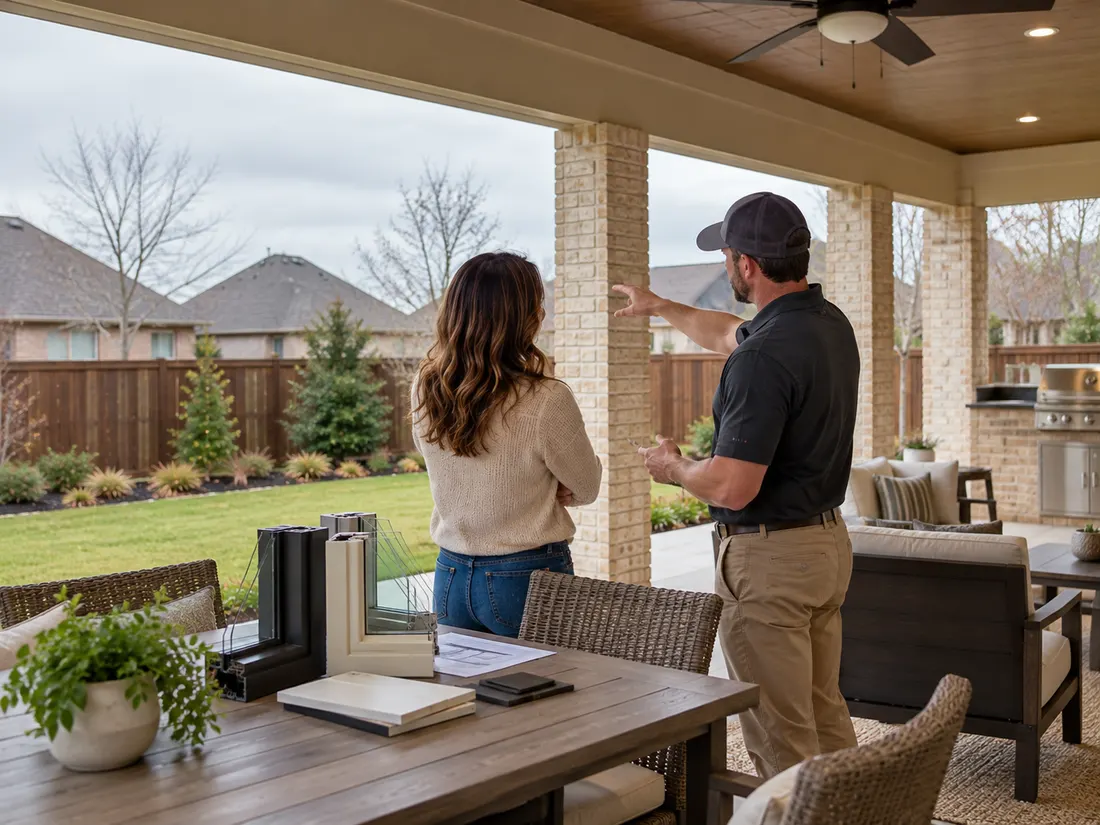
Before You Commit to All-Season Sunrooms
- Insist on the three insulated parts. Glass, roof and walls all have to be insulated for the room to hold temperature; one uninsulated element undoes the other two.
- Plan the heating and cooling. An all-season room needs its own conditioning, whether that is a mini-split or an extension of the house system, and that is a design decision.
- Check the foundation. A room you use year-round is a real addition. The slab, footings and tie-in to the house are engineered accordingly.
How does an all-season room project run?
- 1
A free design visit
A designer measures the yard, walks the access a crew would use, and talks through what you want the space to do. You get a firm price, not a range.
- 2
Drawings, permit and HOA
We draw the job, file the permit with your city and follow it through review. Where an HOA needs a submittal, we prepare the drawings it asks for.
- 3
One crew, one schedule
The same team builds the whole thing in the right order, so the slab, the structure, the electrical and the finish work are not three companies blaming each other.
- 4
Walkthrough and warranty
We walk the finished job with you, settle the punch list, and leave you with one warranty covering the work rather than a folder of separate ones.
From the Field
Practical notes on building a backyard in North Texas.
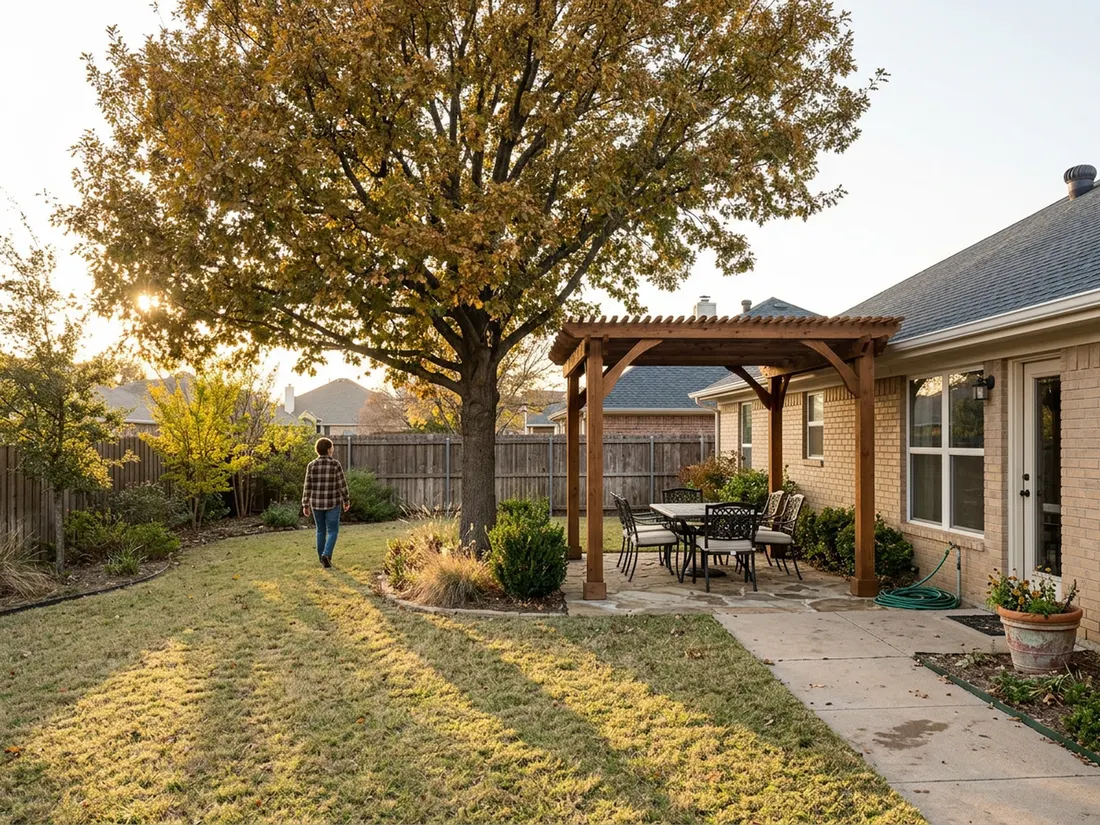
Native Shade Trees in Bonham, TX: What to Plant Where
Bur oak, cedar elm and chinquapin oak lead the list for Bonham’s blackland clay. Here is how far to plant them from a slab, which ones make a mess, and how a tree and a pergola work together.
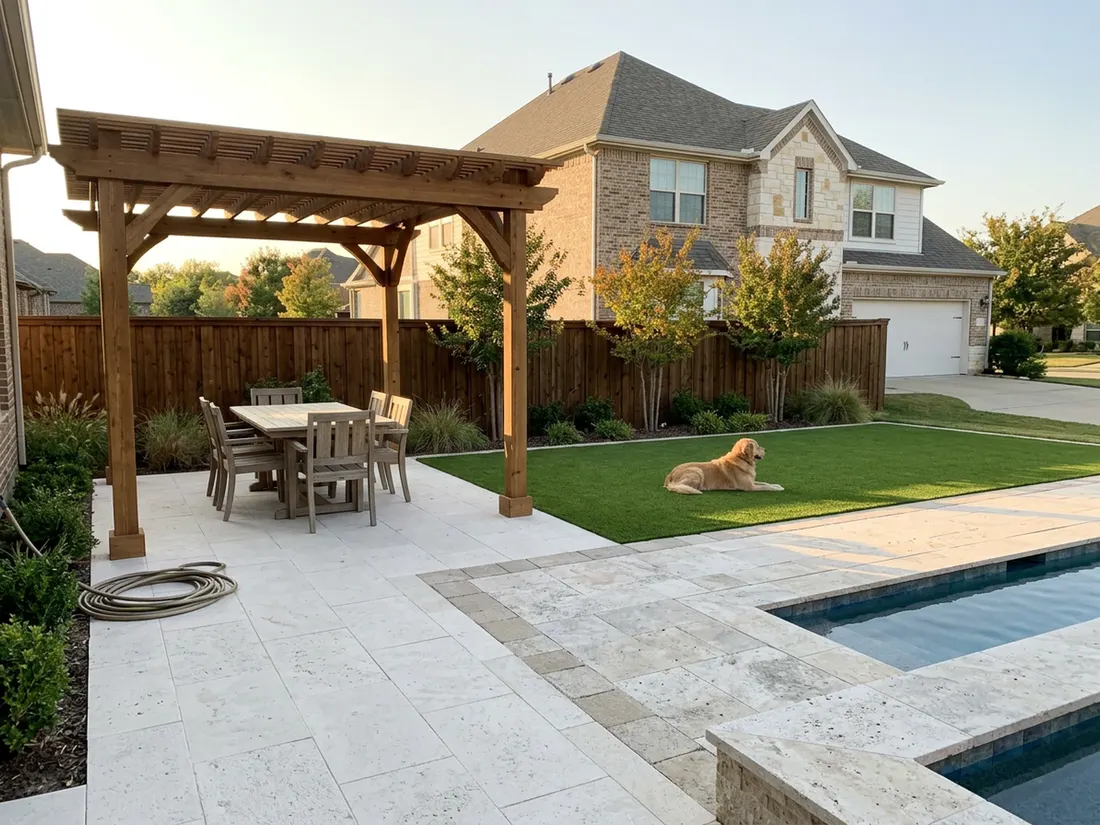
Outdoor Flooring for a Frisco Backyard: Pick by Zone
One yard, five jobs for the ground: dining, cooking, swimming, play and the dog. Here is how to match a surface to each zone, and what Frisco’s clay, heat and city rules change.
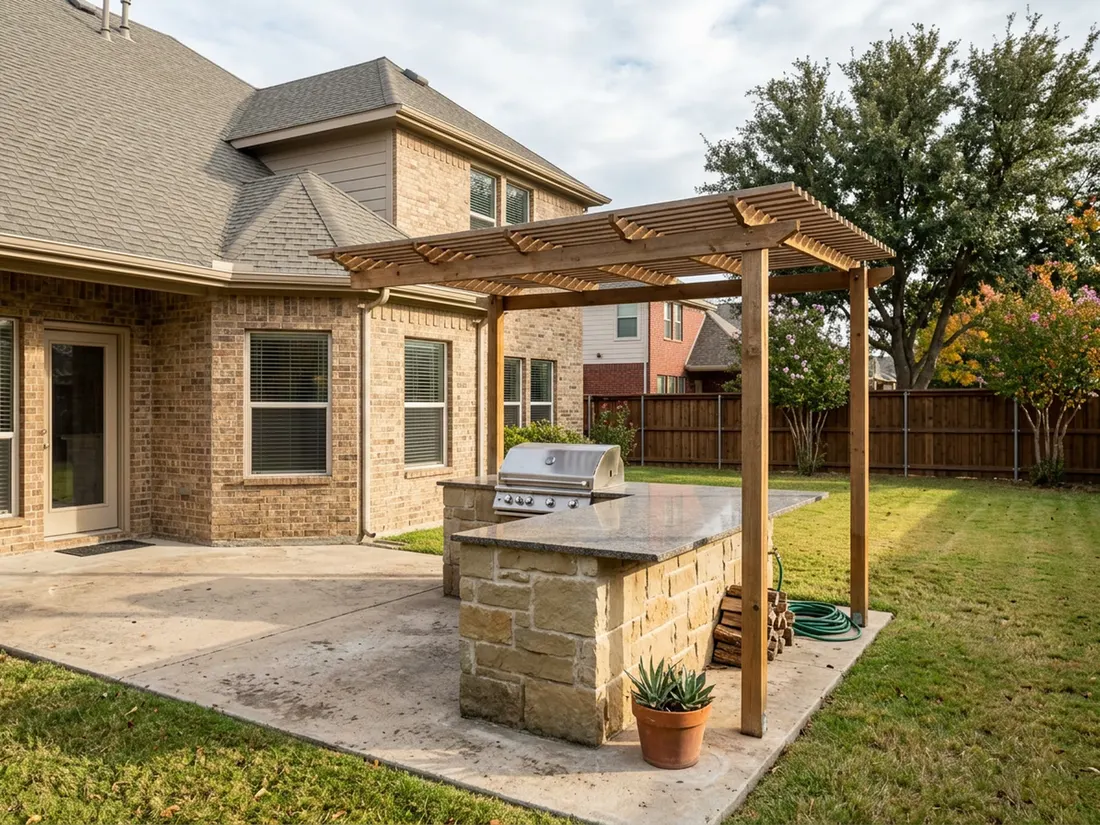
Outdoor Kitchen Countertop Materials in Frisco, TX
Granite, porcelain, quartzite and quartz all behave differently in Frisco sun, freezes and clay. Here is a pick by exposure, a sealing test, and what the base under the stone needs.
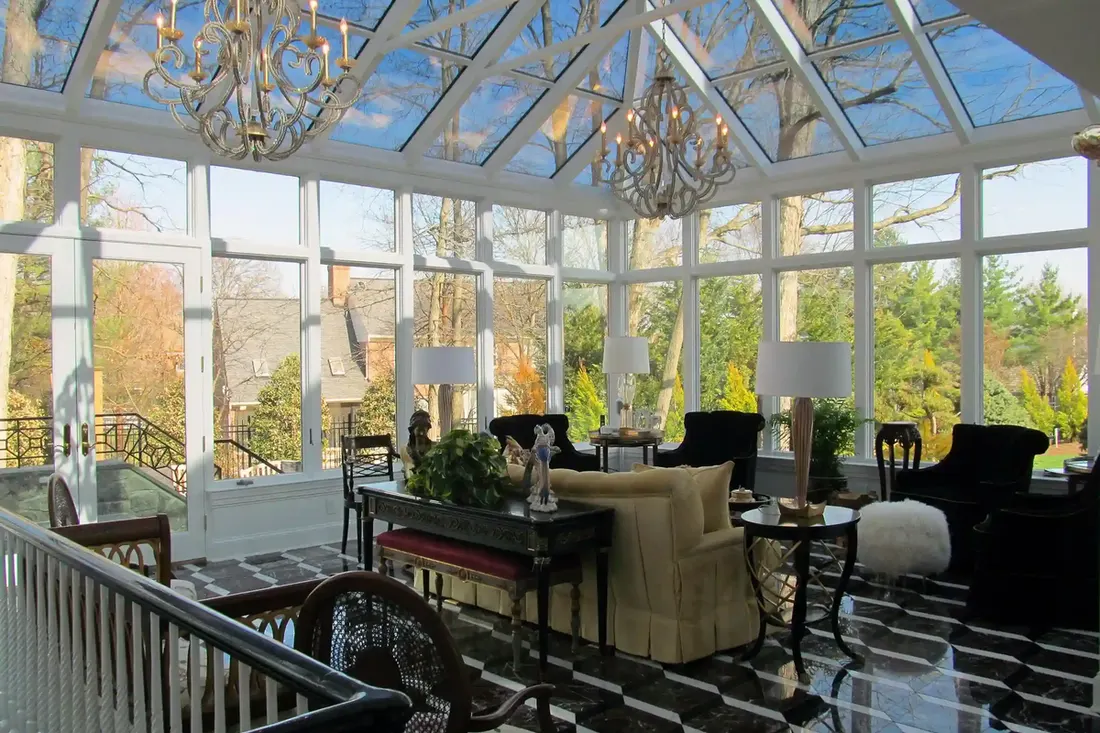
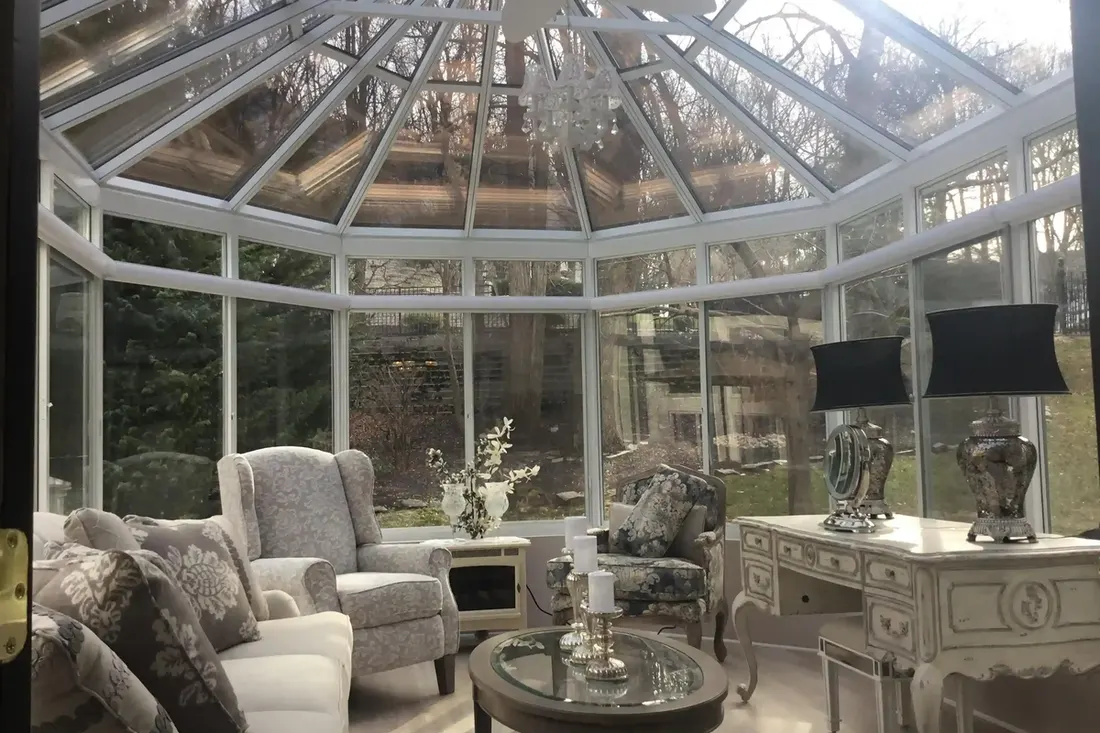
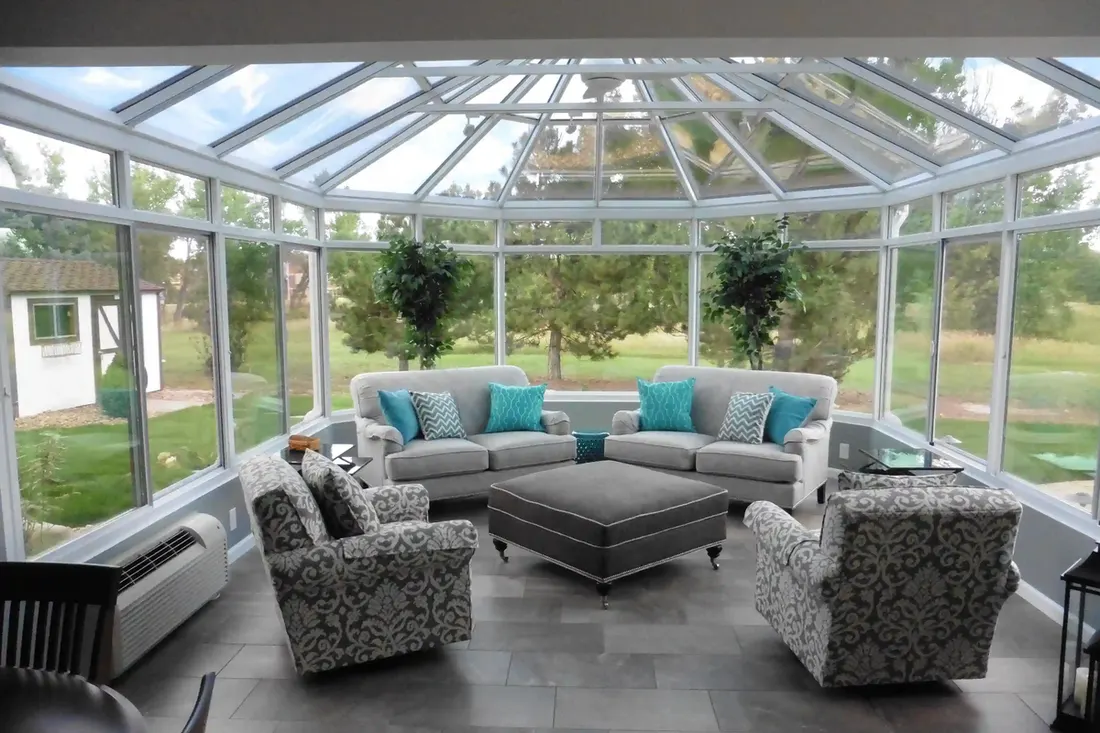
Other outdoor living options
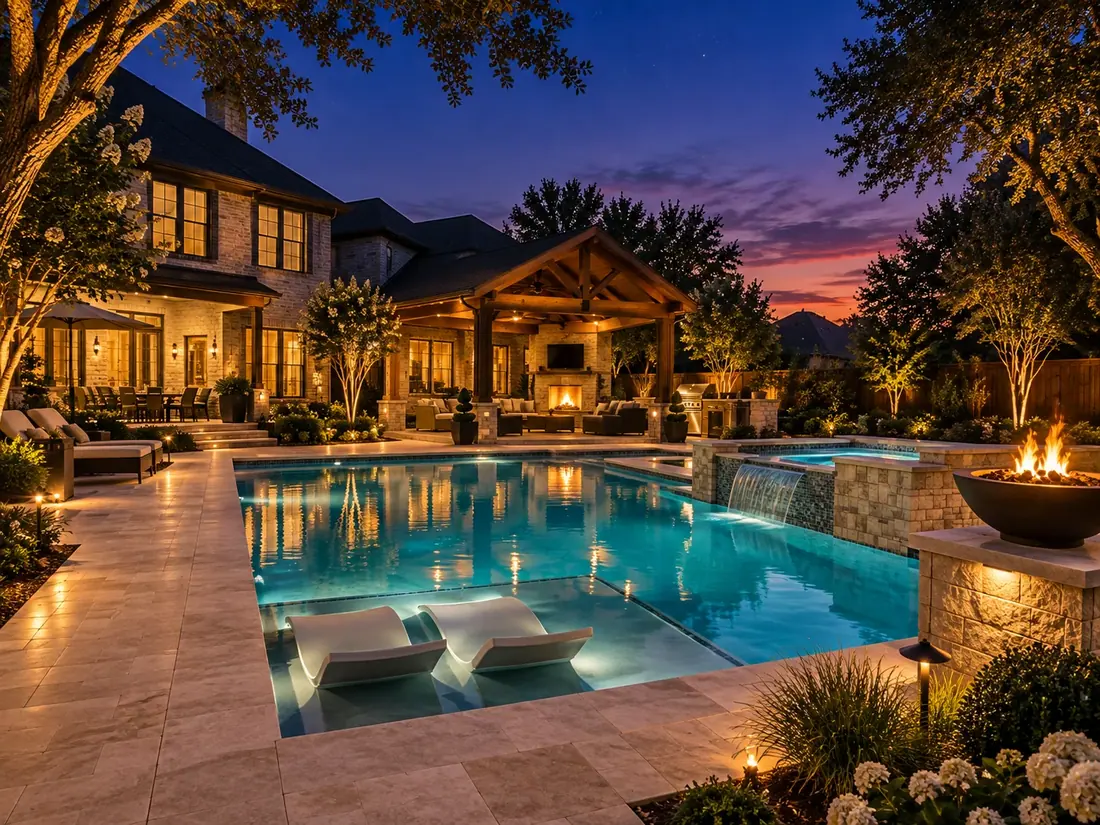
Who builds your project
- Family-owned since 1984. Dallas–Fort Worth homeowners have hired Longhorn for four decades. The business is still family-owned.
- One team, start to finish. The designer who measures your yard and the crew that builds it work for Longhorn, on one schedule.
- In-house crews. The people who quote the job are the people who stand behind it.
- Permits and HOA handled. We draw the job, file the permit with your city and prepare what most HOAs ask for.
- One warranty. One company answers for the whole project, not a folder of separate contractors.
Free estimate on All-Season Sunrooms
We’ll come out, measure, talk through the options and give you a firm number. No obligation.
Call (972) 534-2716Get Your Free Quote
4.8 on Google from 22 reviewsFamily-owned since 1984