
Pools & Spas in Balch Springs
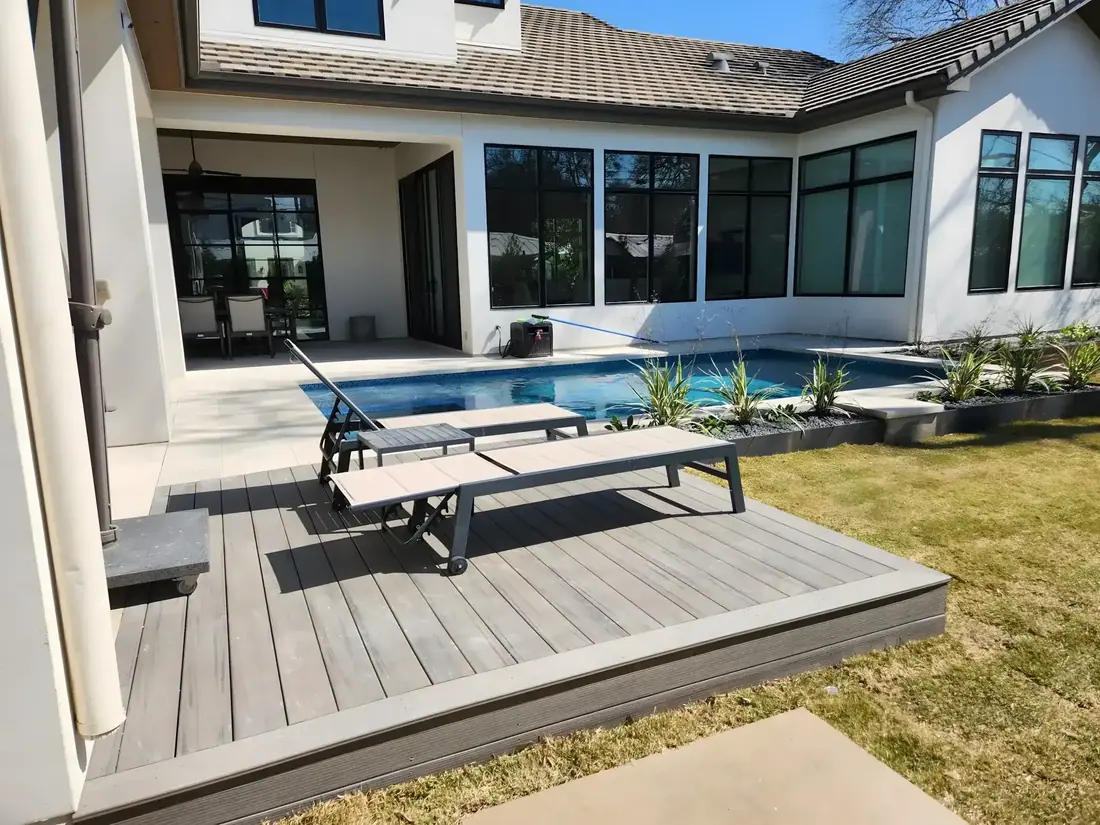
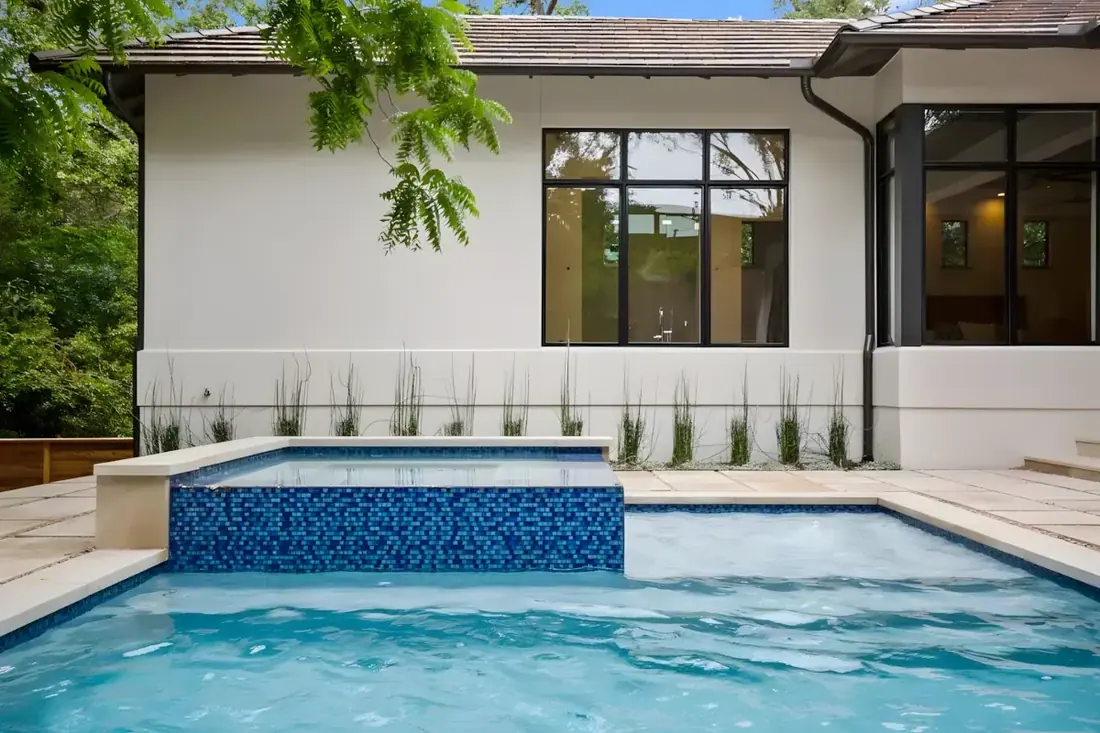
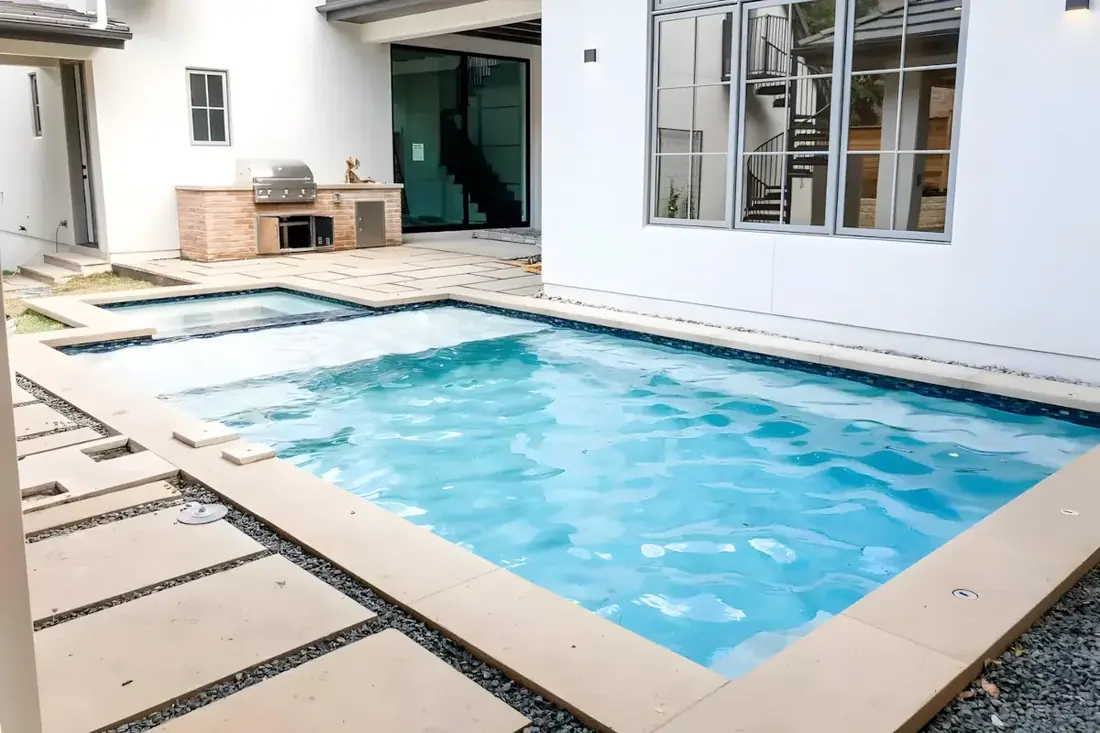
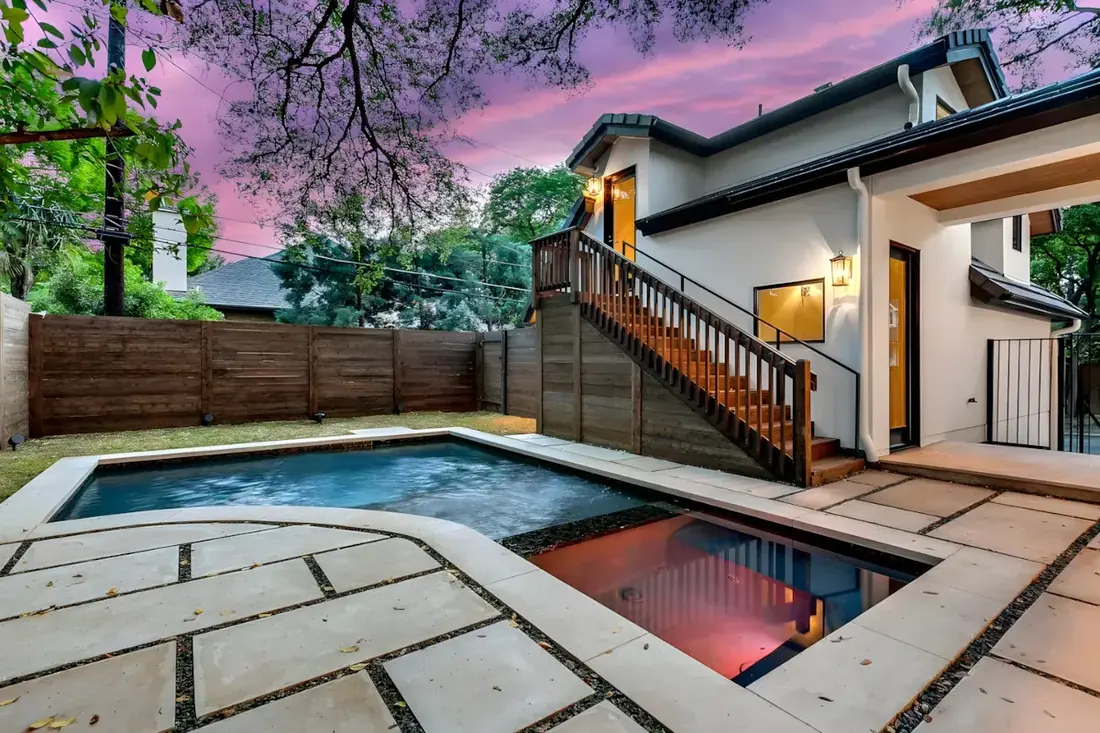
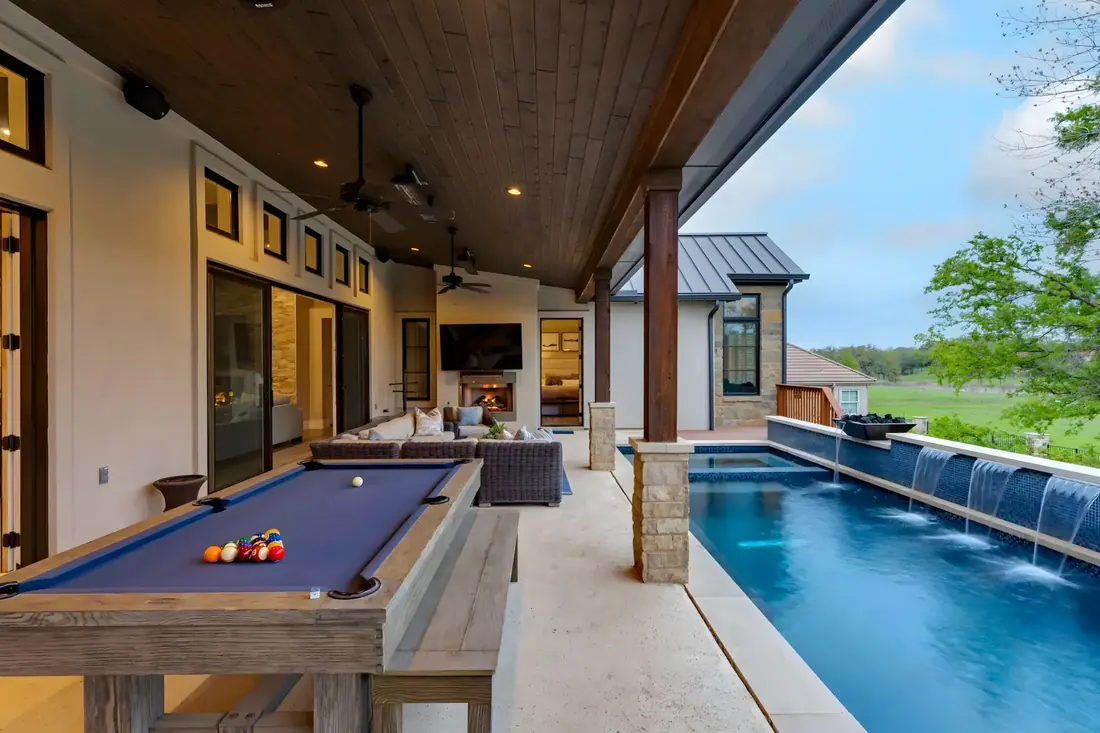
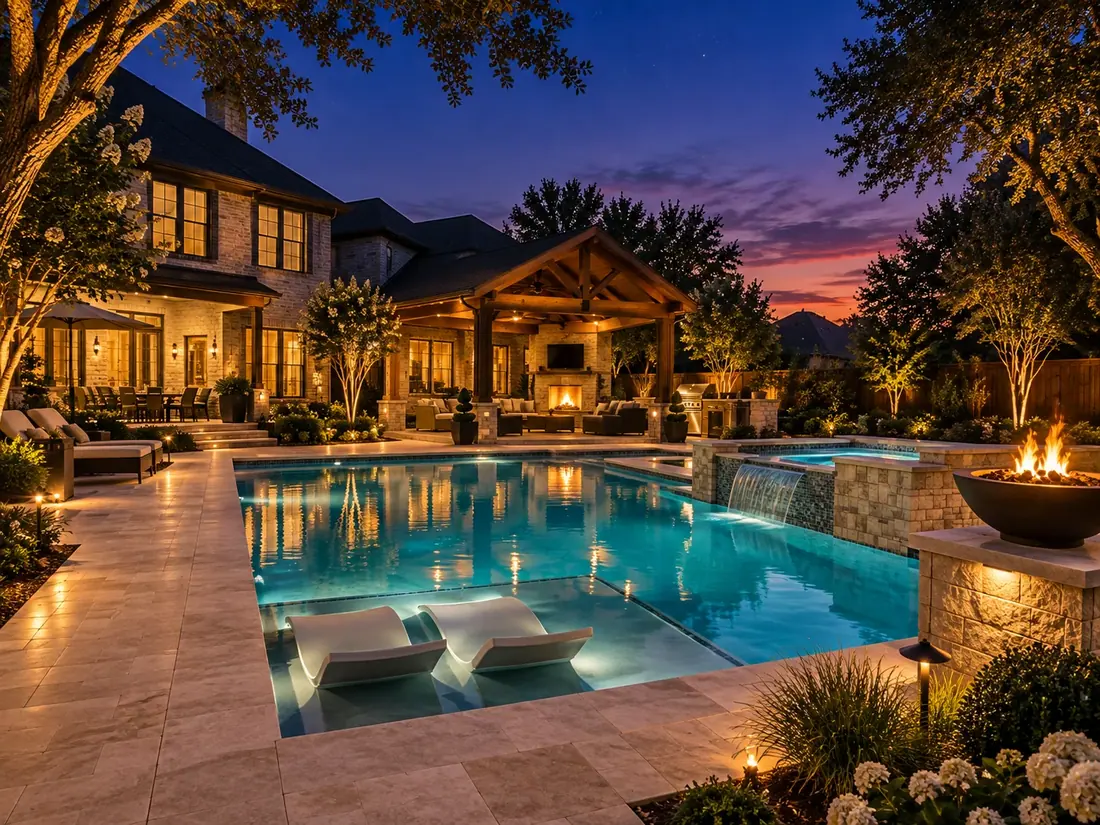
Gunite pools and spas planned with the deck, shade and kitchen.
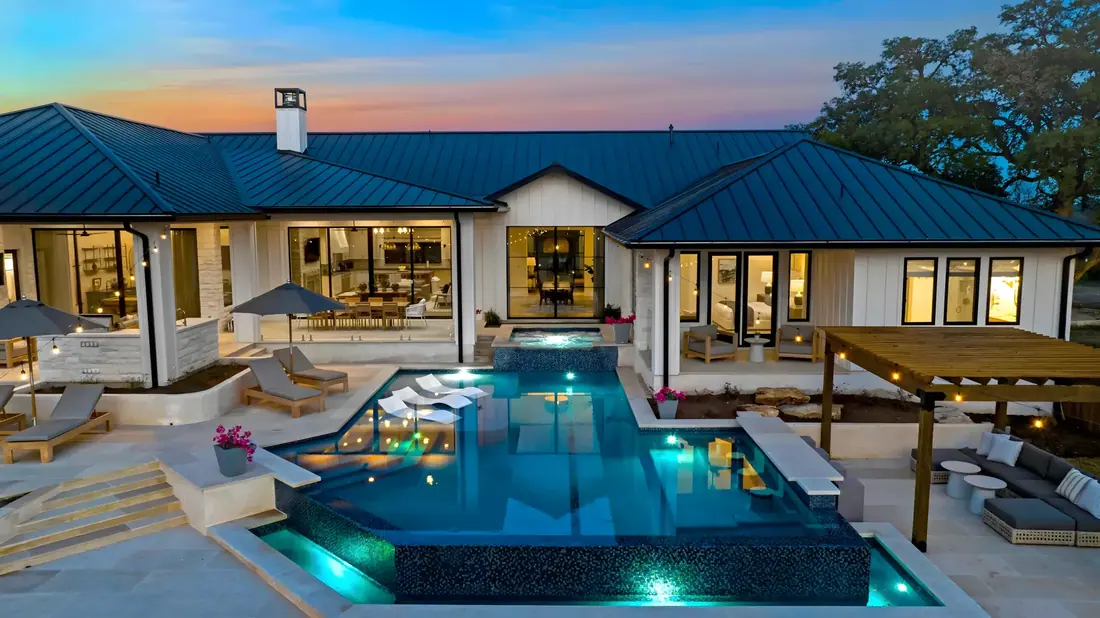
Outdoor living is the covered patio, pool, kitchen, stone and lighting that make a backyard part of the home. Longhorn designs and builds them together for Balch Springs homeowners in Dallas County, with one family-owned team.

Balch Springs is ten miles southeast of Dallas in Dallas County, on Interstate highways 635 and 20 and U.S. Highway 175. The town takes its name from three springs the Balch family found, one of which was never dry.
That ground decides how a slab, a pool shell or a footing has to be built here. Here is what it does to a patio.
We file the permit with the city or county office that covers Balch Springs and follow it through review, so the schedule doesn’t stall on paperwork.
Longhorn has built across Dallas County and the wider Metroplex since 1984, and every project starts with a free design visit and a firm price.
Gunite pools and spas planned with the deck, shade and kitchen.
Stone islands, built-in grills, fridges and a real vent hood, under cover.
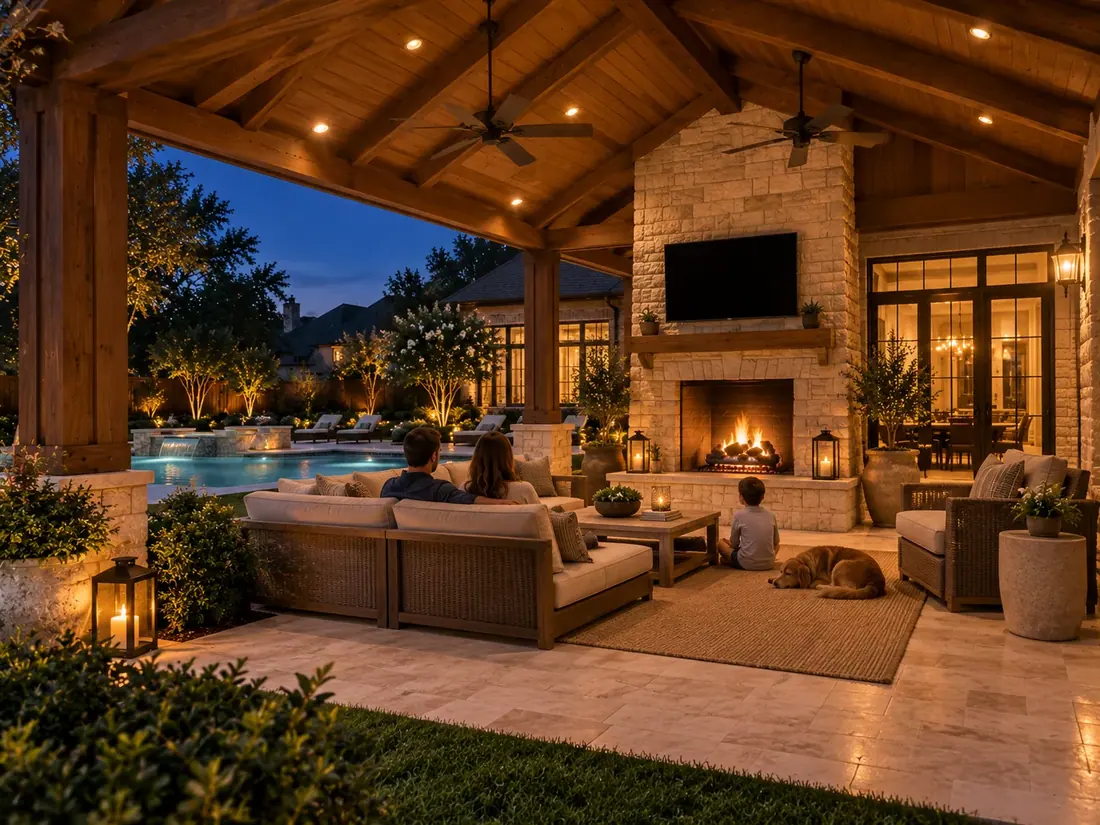
Solid-roof shade over the patio. It’s the simplest way to use it year-round.
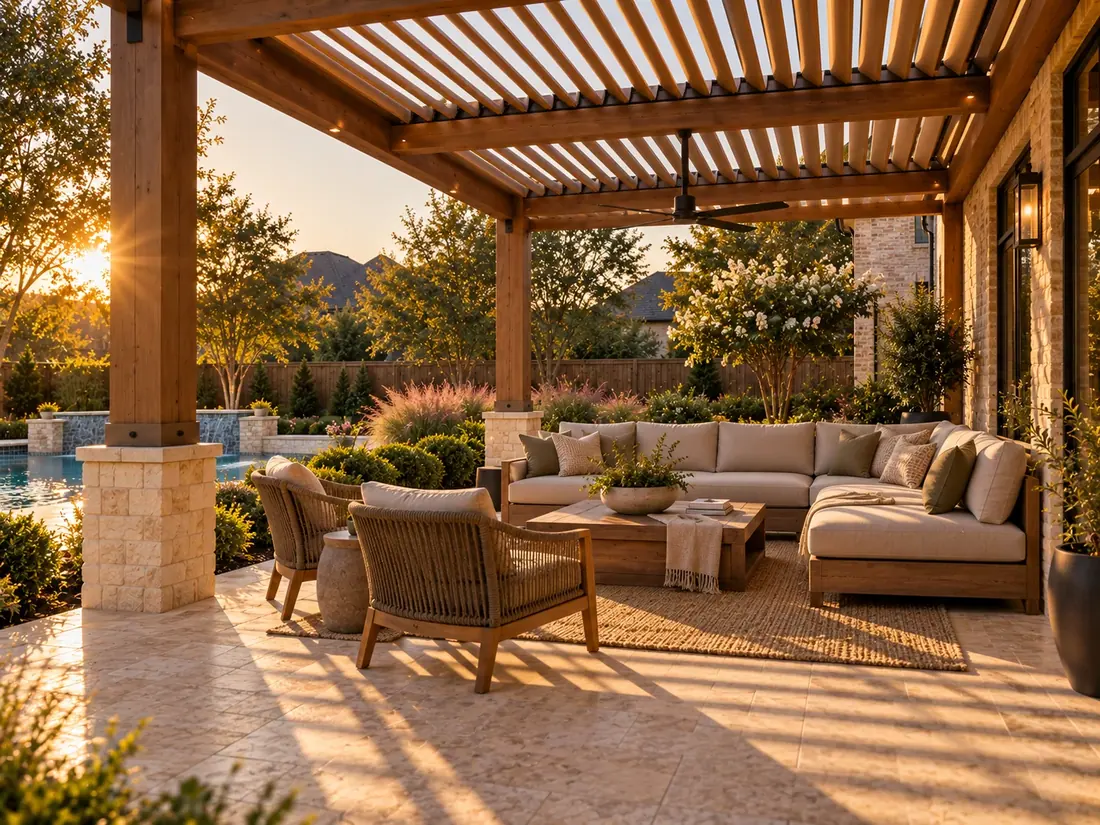
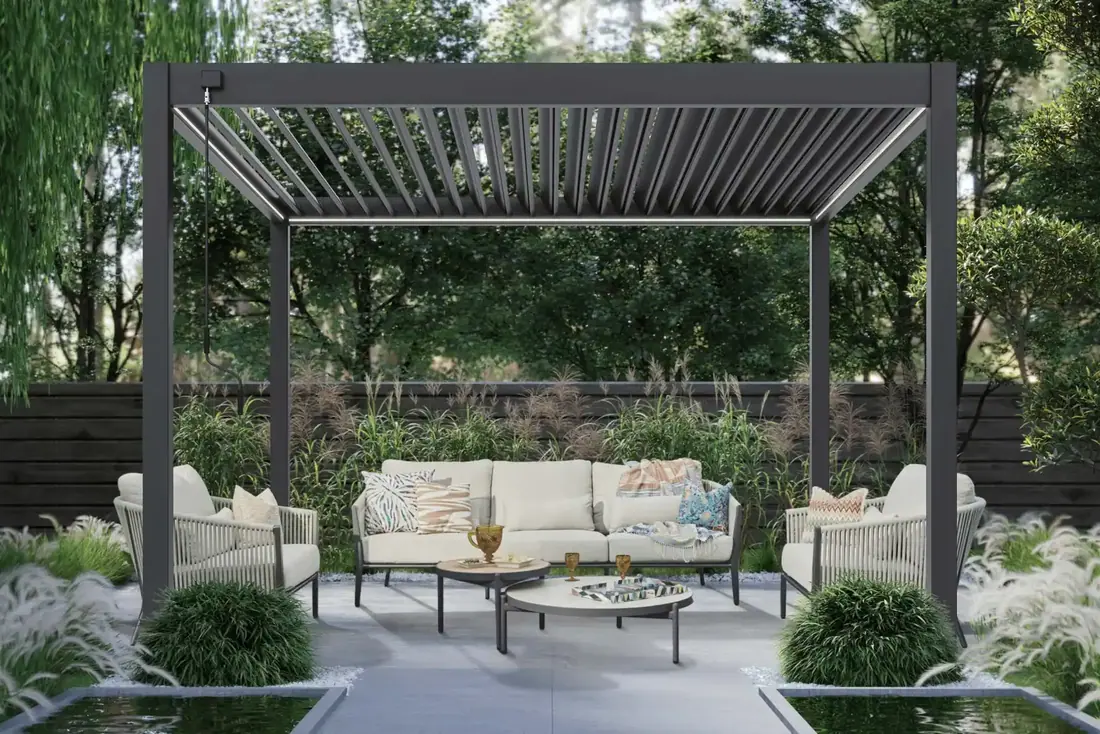
Fixed or louvered, built to your slab, the yard’s centerpiece.
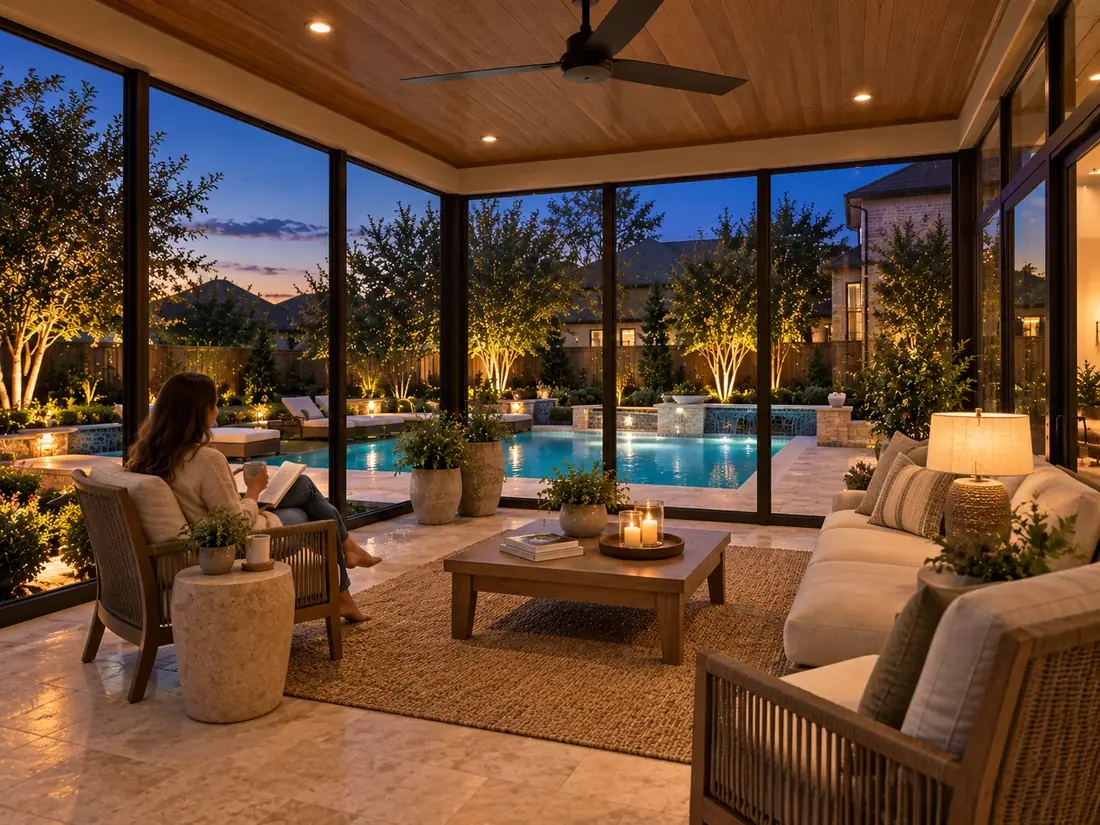
Glass walls under a solid roof. Real square footage, light all day.
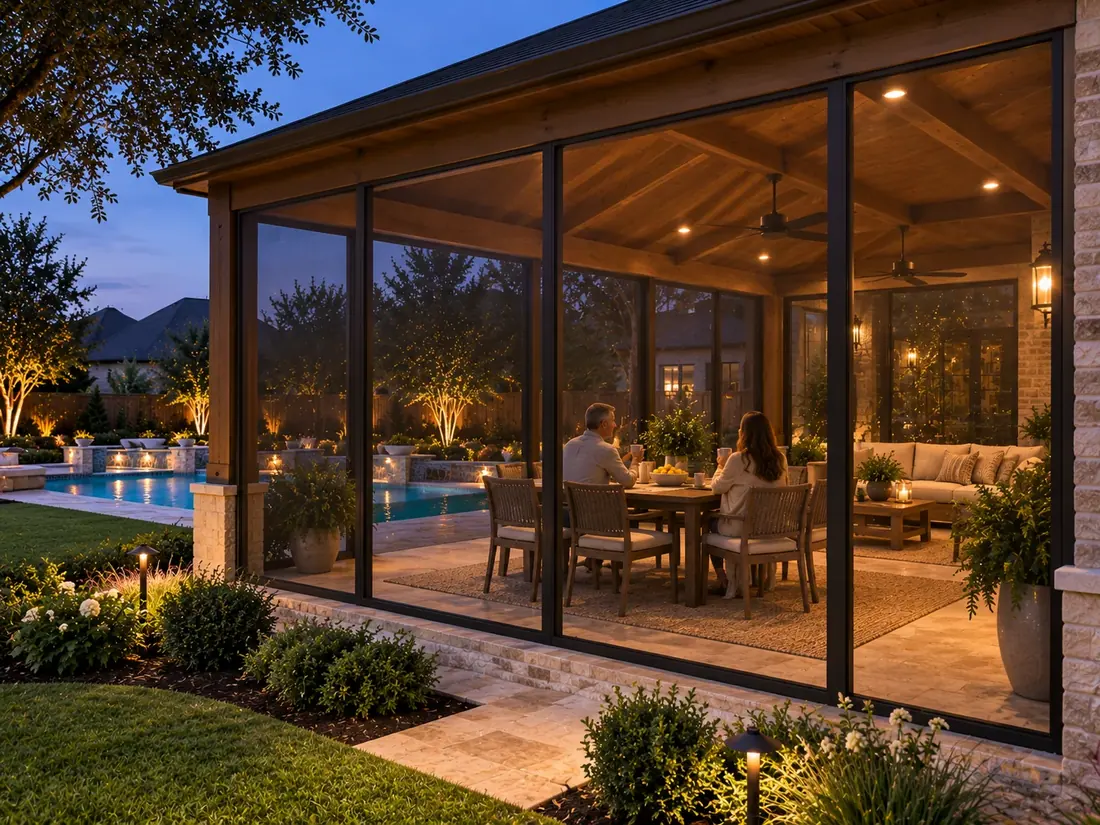
Screened rooms: the breeze and the view, none of the mosquitoes.
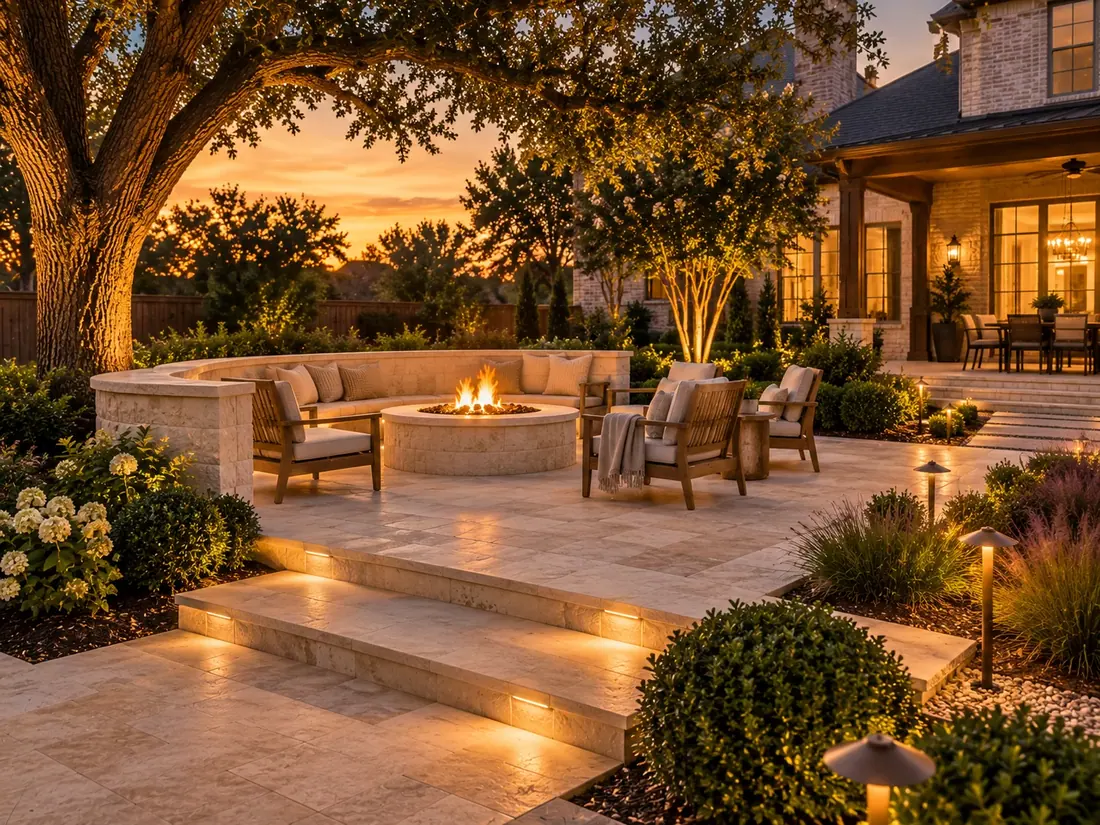
Travertine, pavers, seat walls and fire pits, with drainage solved first.
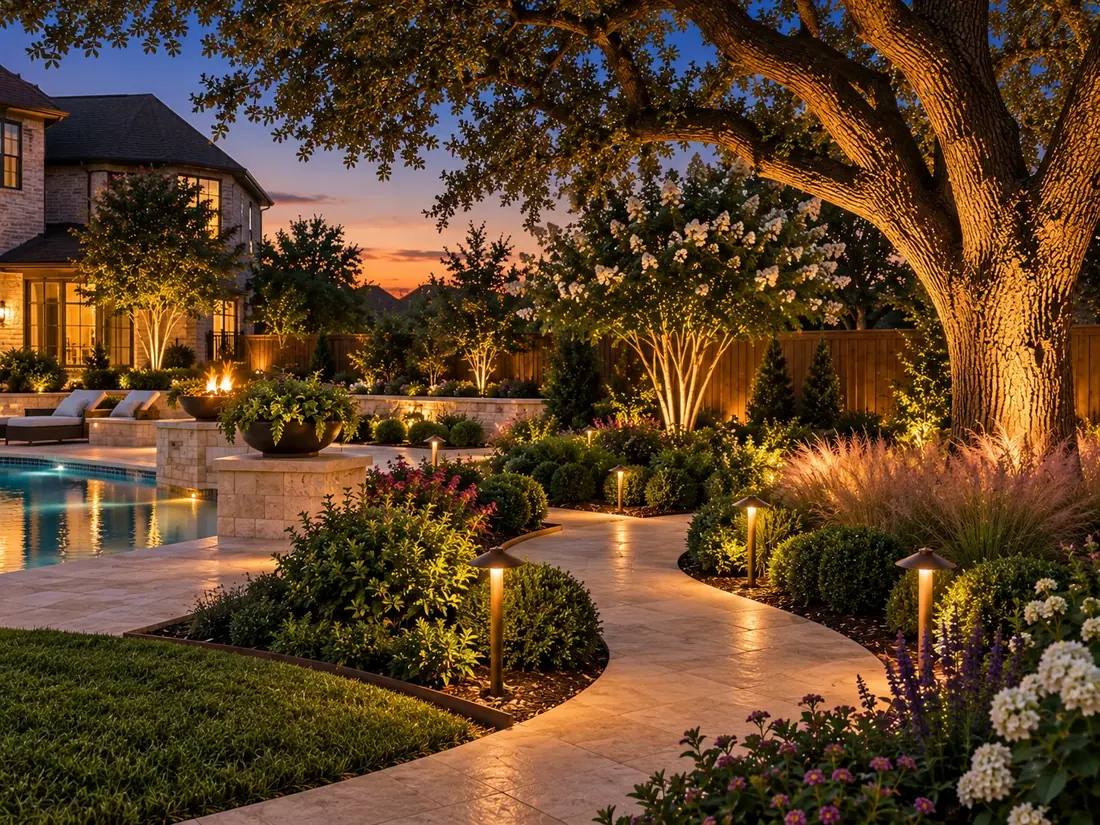
Water-wise planting, irrigation and lighting for North Texas.
Balch Springs was founded around 1870, when the family of John Balch settled in the area. It incorporated on June 13, 1953, to avoid annexation by Dallas, and grew as a commuter town once Interstate Highway 635 went through.
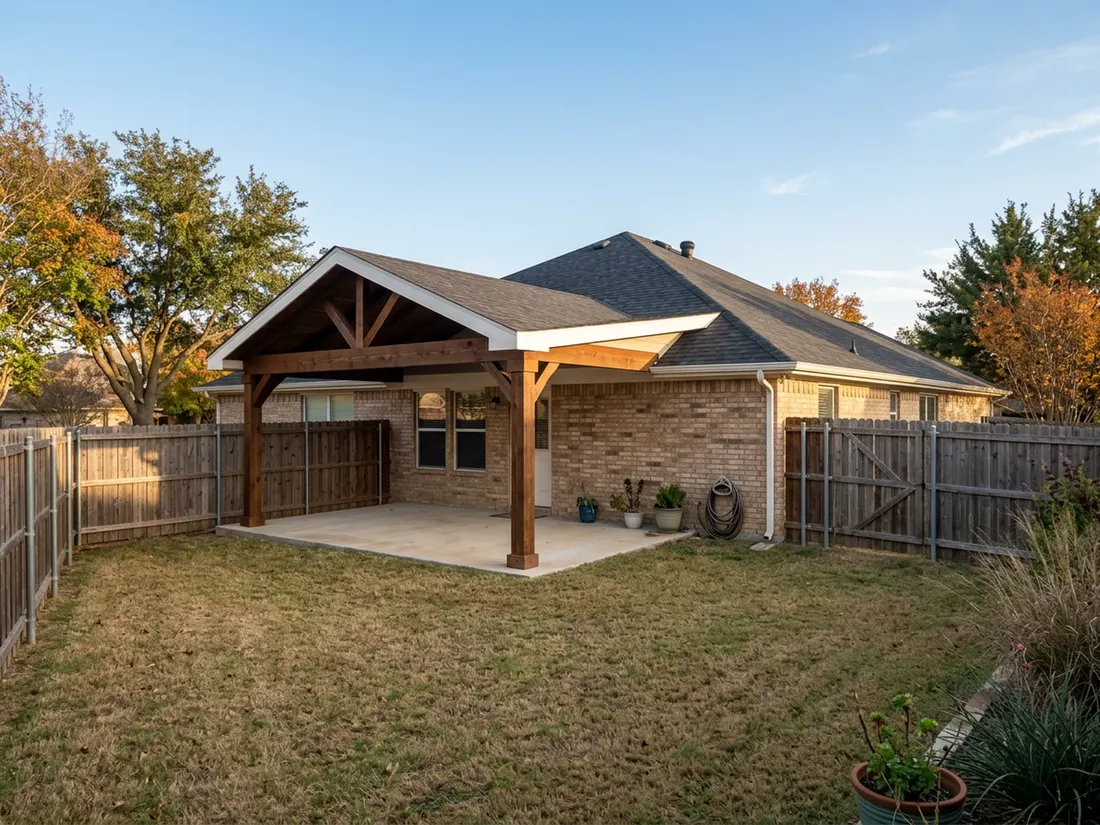
In an established suburb with closely spaced homes, a patio cover sized to the back lot and tied neatly into the existing roofline usually works better than a freestanding structure.
Dallas County covers 902 square miles of primarily flat, heavy Blackland Prairie, with elevations from 382 to 850 feet. The average rainfall is thirty-six inches a year, and the growing season lasts 235 days.
Water comes from the City of Balch Springs, which treats surface water.
The perennial spring was kept cleaned and bricked up and became a gathering place where families filled their buckets and talked. Balch Springs received electricity from Texas Power and Light in 1939, and a post office opened in September 1964. By the late 1970s, 95 percent of residents commuted to work in Dallas or Garland.
In 1988 residents voted to combine with the city of Mesquite, but the vote was ruled invalid and the town stayed independent. By 1991 Balch Springs had seventeen manufacturers, including makers of shipping pallets and machine parts, along with two banks, a weekly newspaper and a library. The population was 17,406 in 1990 and 19,375 in 2000.
NOAA’s Storm Events Database lists 196 hail reports in Dallas County from 2016 to 2025, 157 of them an inch across or larger, with stones up to 4 inches. The same records show 140 damaging thunderstorm wind reports, with gusts up to about 96 mph, and 12 tornadoes. That is why a patio cover’s roof panels, fasteners and posts here are chosen for hail and wind, not only for shade.
Blackland Prairie clay swells through a wet spring and shrinks hard by August, and a pool shell is a rigid object sitting in ground that moves around it. Here that means the shell, the beam and the deck are engineered for that movement from the drawing stage, and the flatwork gets its control joints placed on purpose rather than wherever the pour ends. In Balch Springs the permit goes through the city or county office that covers Balch Springs, and Longhorn files it and follows it through inspection. More on pools.
Blackland Prairie clay lifts and drops with the season, so a patio cover’s footings are the whole job. Posts set in shallow pads move with the top of the soil and take the roofline with them; footings taken below the active zone, tied to a slab that drains away from the house, do not. In Balch Springs the permit goes through the city or county office that covers Balch Springs, and Longhorn files it and follows it through inspection. More on patio covers.
On Blackland Prairie clay a pergola’s posts are what decide whether it still stands square in five years. The clay moves most in the top few feet, so footings go deeper than the movement rather than resting in it, and the slab underneath gets its own drainage plan. More on pergolas.
A sunroom or screened enclosure in Balch Springs is attached to the house, so it is permitted through the city or county office that covers Balch Springs and sits on footings designed for the ground under it. We match the roofline and the exterior to the house so it reads as part of it. More on sunrooms and patio enclosures.
Almost always, for pools and for anything attached to the house, including patio covers, sunrooms and enclosures. Longhorn files the permit with the city or county office that covers Balch Springs and handles the inspections, so the schedule does not stall on paperwork.
Balch Springs sits on Blackland Prairie ground in Dallas County. The ground decides how a slab, a pool shell or a footing has to be built, so we plan the drainage and the footings for it at the first visit rather than after something moves.
Every town we serve in Dallas County · See all 334 cities we serve
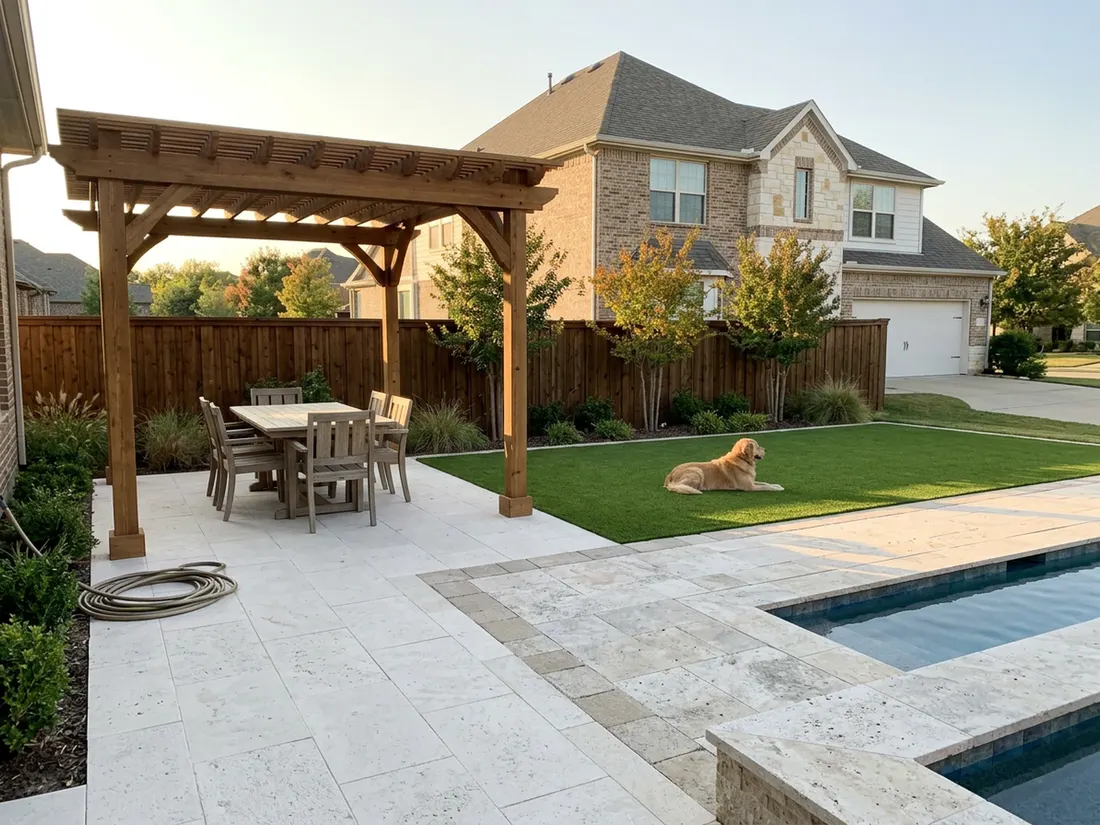
One yard, five jobs for the ground: dining, cooking, swimming, play and the dog. Here is how to match a surface to each zone, and what Frisco’s clay, heat and city rules change.
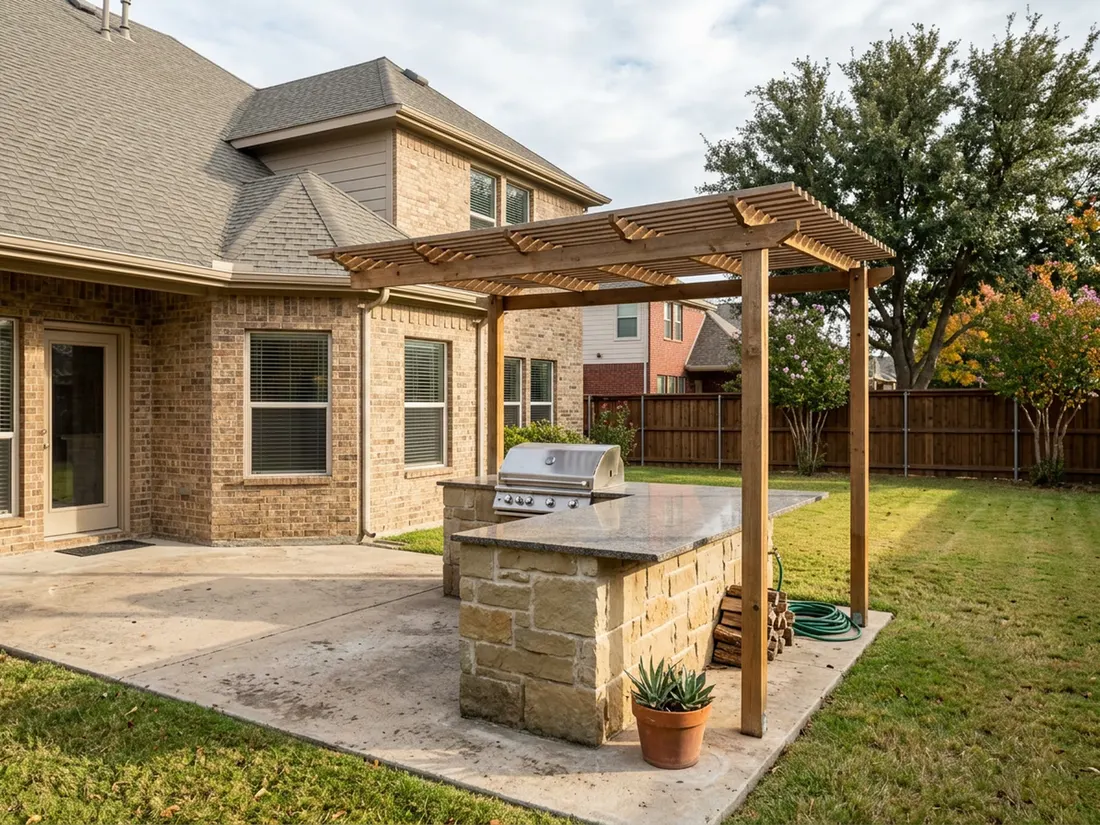
Granite, porcelain, quartzite and quartz all behave differently in Frisco sun, freezes and clay. Here is a pick by exposure, a sealing test, and what the base under the stone needs.
The HOA and the city are two separate approvals, and the HOA usually comes first. Here is the packet a DFW committee wants, how long it takes, why it says no, and how to answer a denial.
Tell us what you have in mind and we’ll come measure, talk options and give you a straight number. No obligation, no pressure.
Call (972) 534-27164.8 on Google from 22 reviewsFamily-owned since 1984