
Pools & Spas in Rule
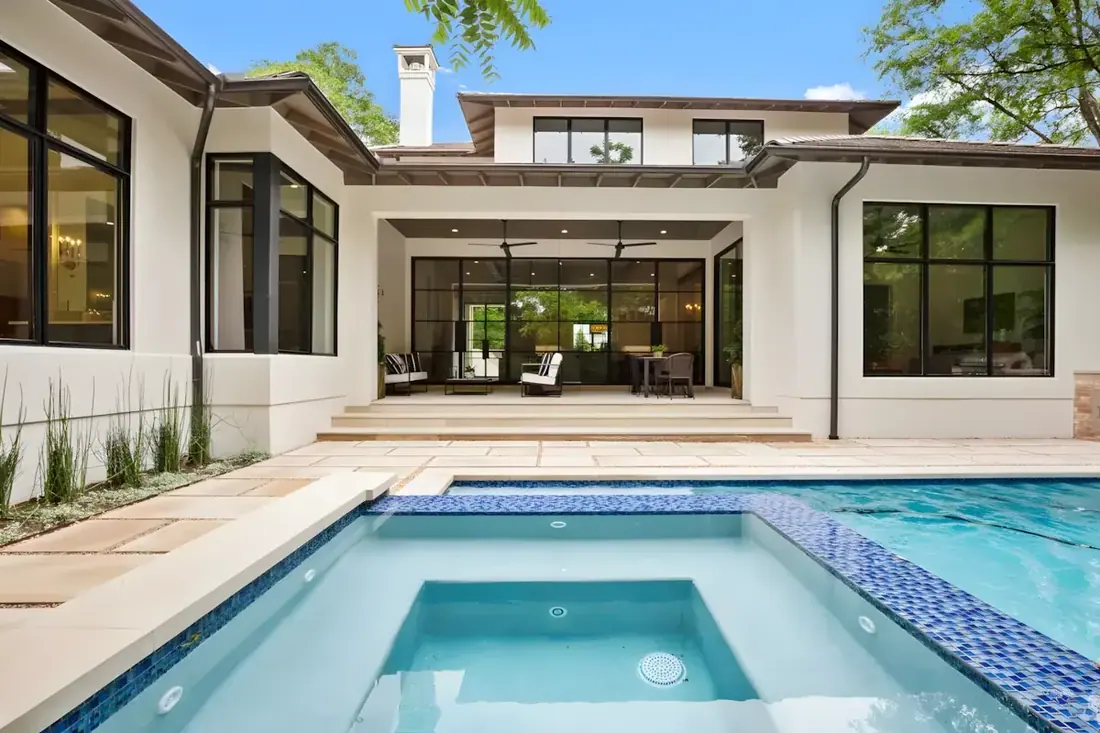
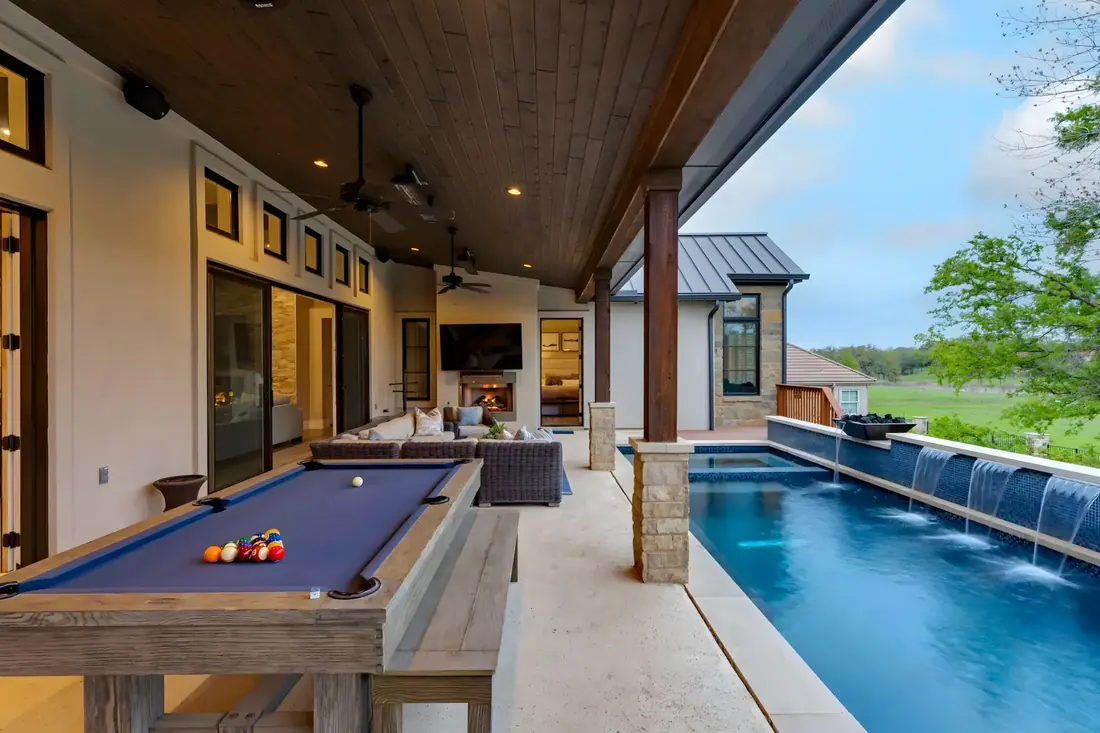
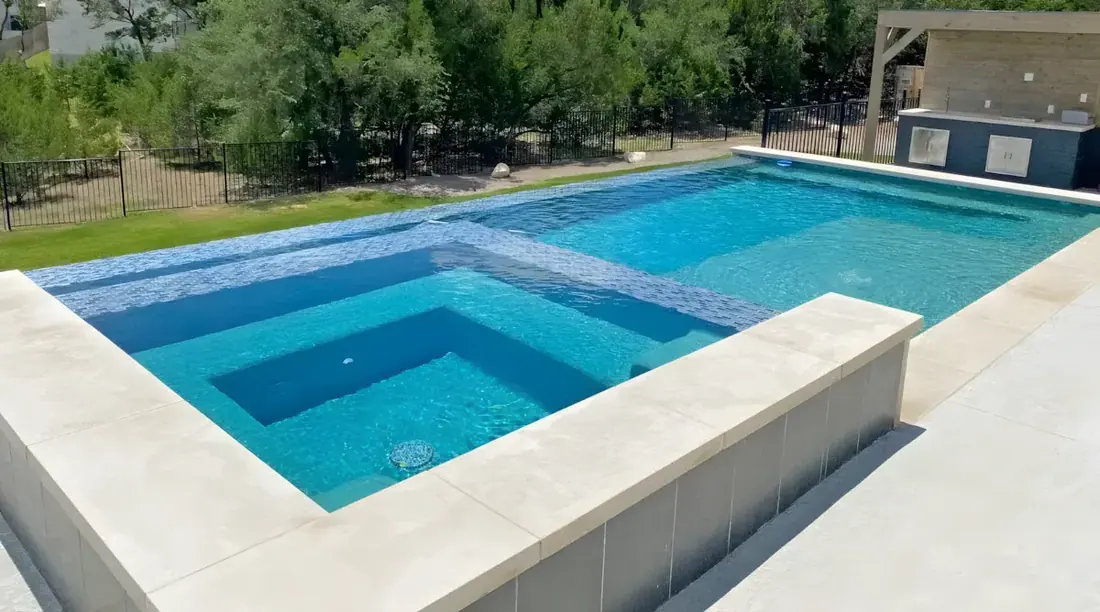
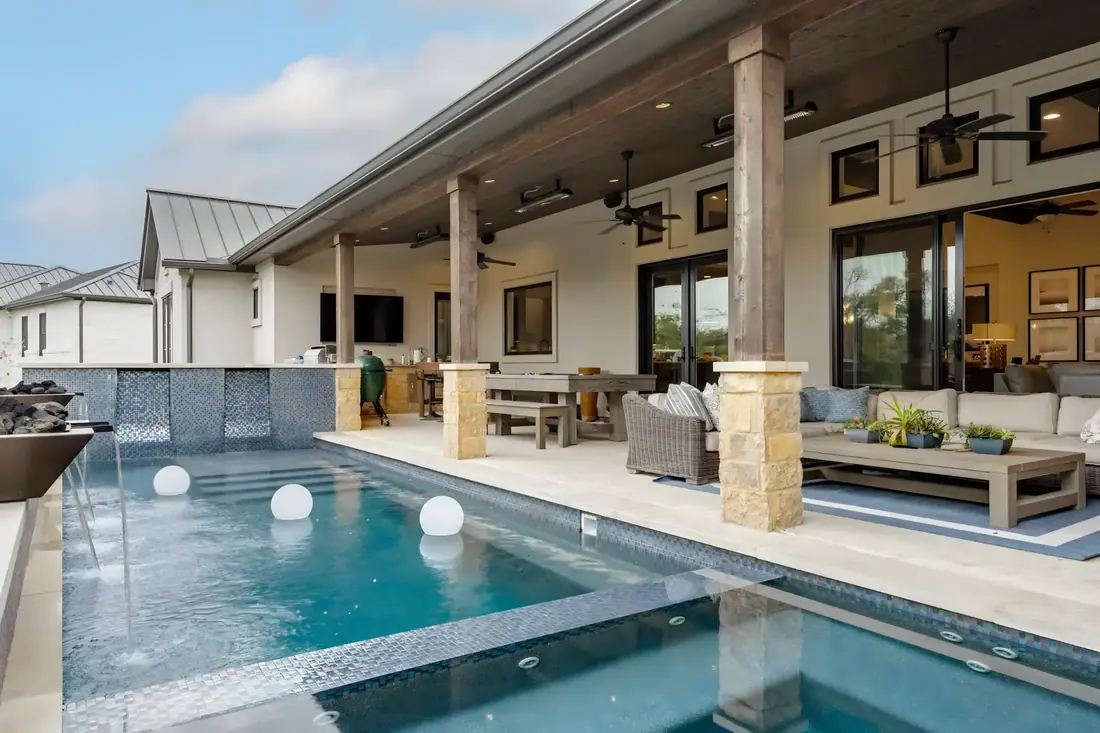
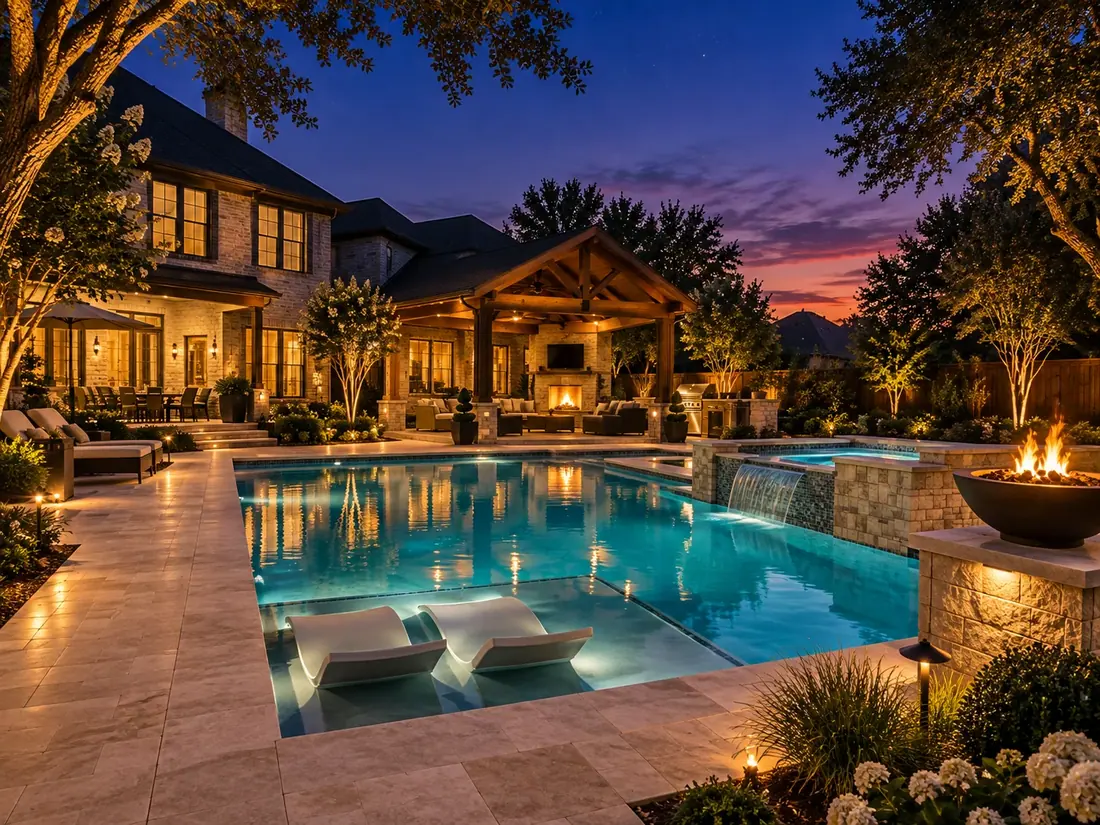
Gunite pools and spas planned with the deck, shade and kitchen.
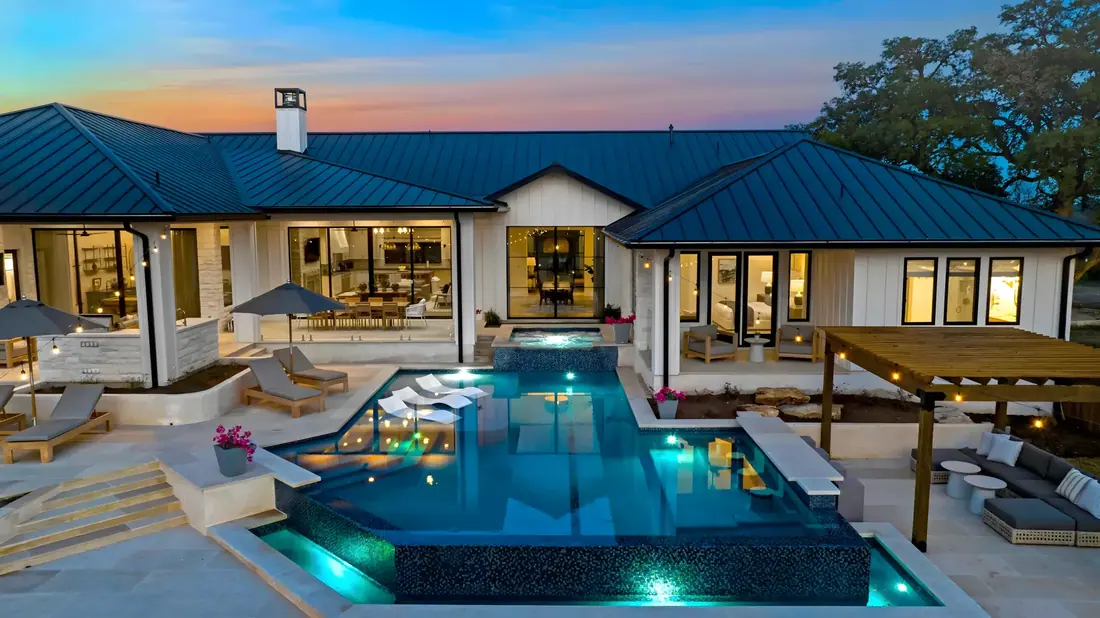
Outdoor living is the covered patio, pool, kitchen, stone and lighting that make a backyard part of the home. Longhorn designs and builds them together for Rule homeowners in Haskell County, with one family-owned team.

Rule is at the intersection of U.S. Highway 380 and State Highway 6, about fifty-five miles north of Abilene in western Haskell County. The town was founded in anticipation of the Kansas City, Mexico and Orient Railway.
That ground decides how a slab, a pool shell or a footing has to be built here. Here is what it does to a patio.
We file the permit with the city or county office that covers Rule and follow it through review, so the schedule doesn’t stall on paperwork.
Longhorn has been building since 1984, and every project starts with a free design visit and a firm price.
Gunite pools and spas planned with the deck, shade and kitchen.
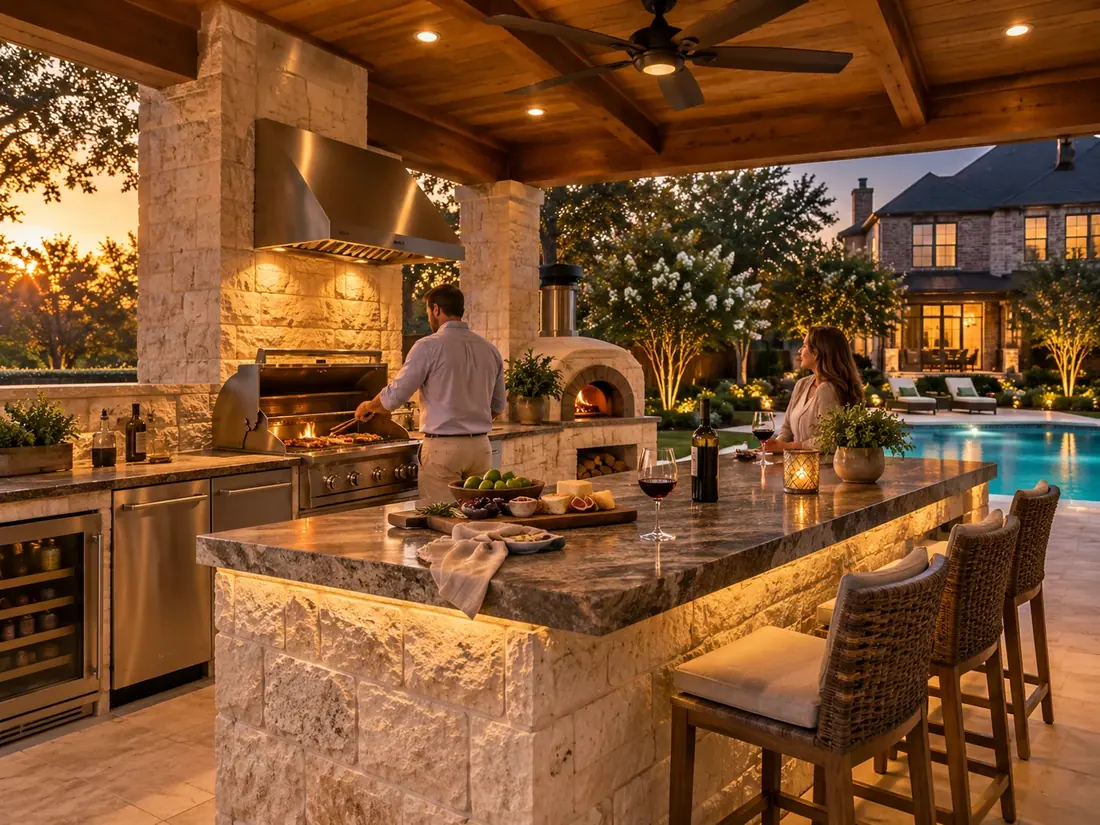
Stone islands, built-in grills, fridges and a real vent hood, under cover.
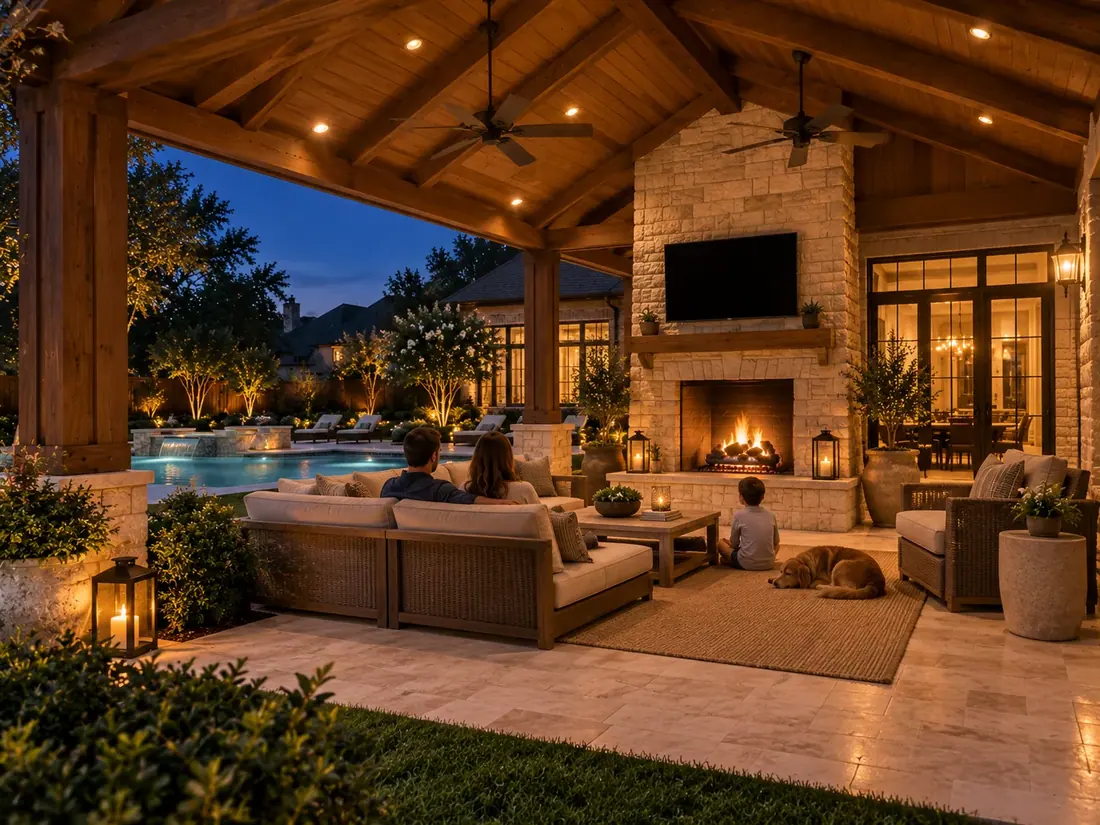
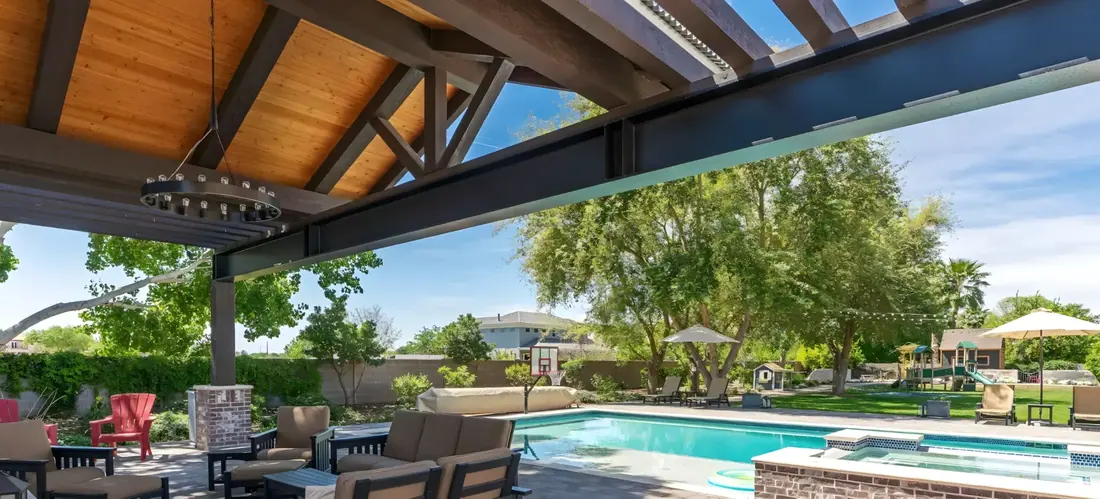
Solid-roof shade over the patio. It’s the simplest way to use it year-round.
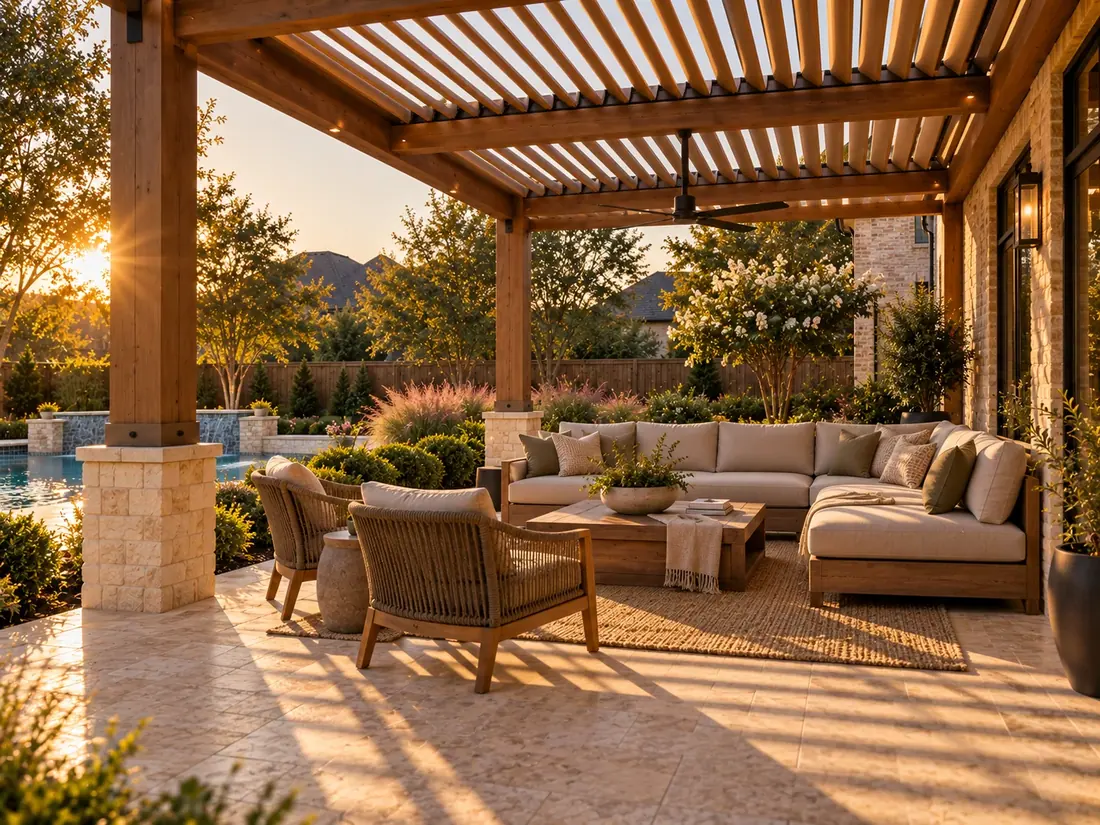
Fixed or louvered, built to your slab, the yard’s centerpiece.
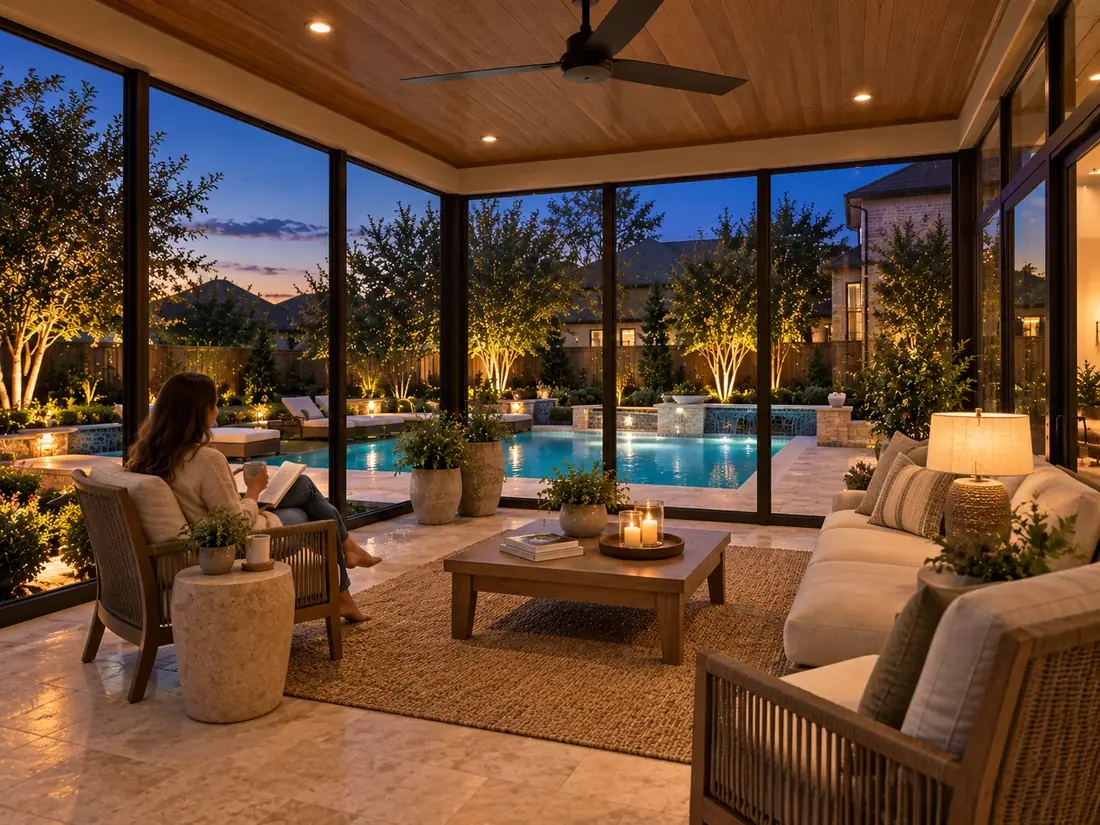
Glass walls under a solid roof. Real square footage, light all day.
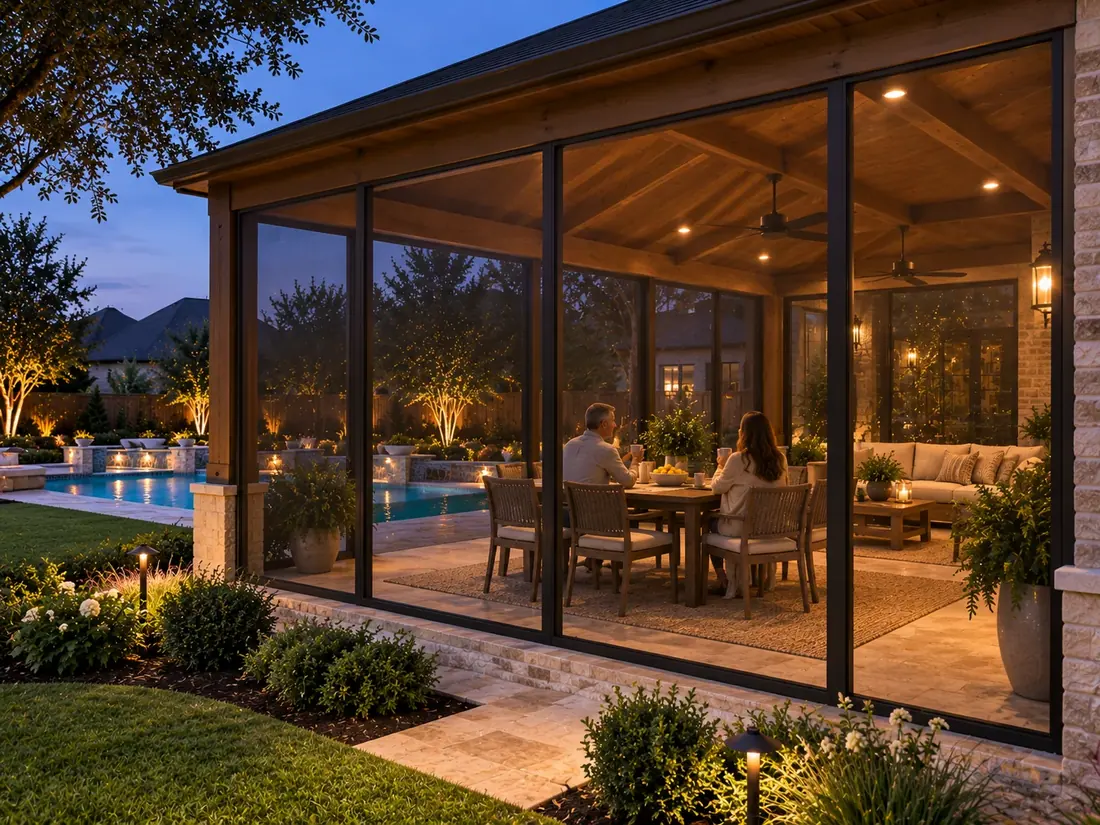
Screened rooms: the breeze and the view, none of the mosquitoes.
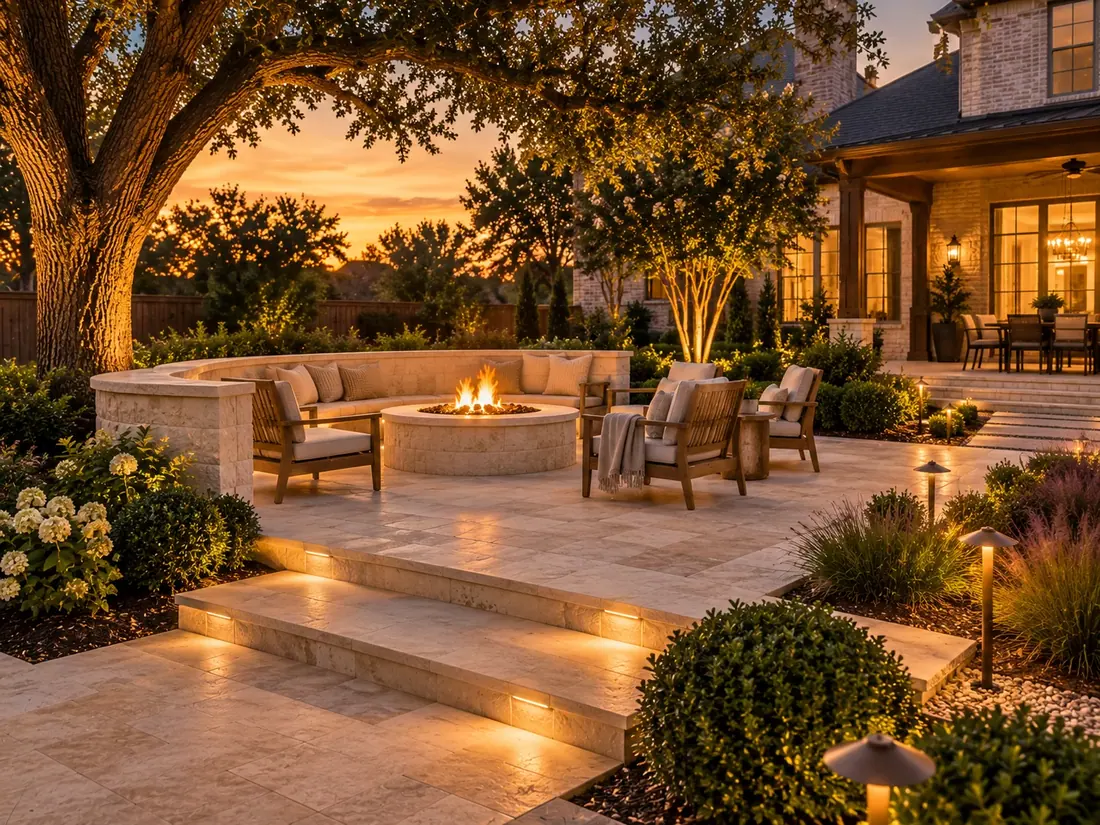
Travertine, pavers, seat walls and fire pits, with drainage solved first.
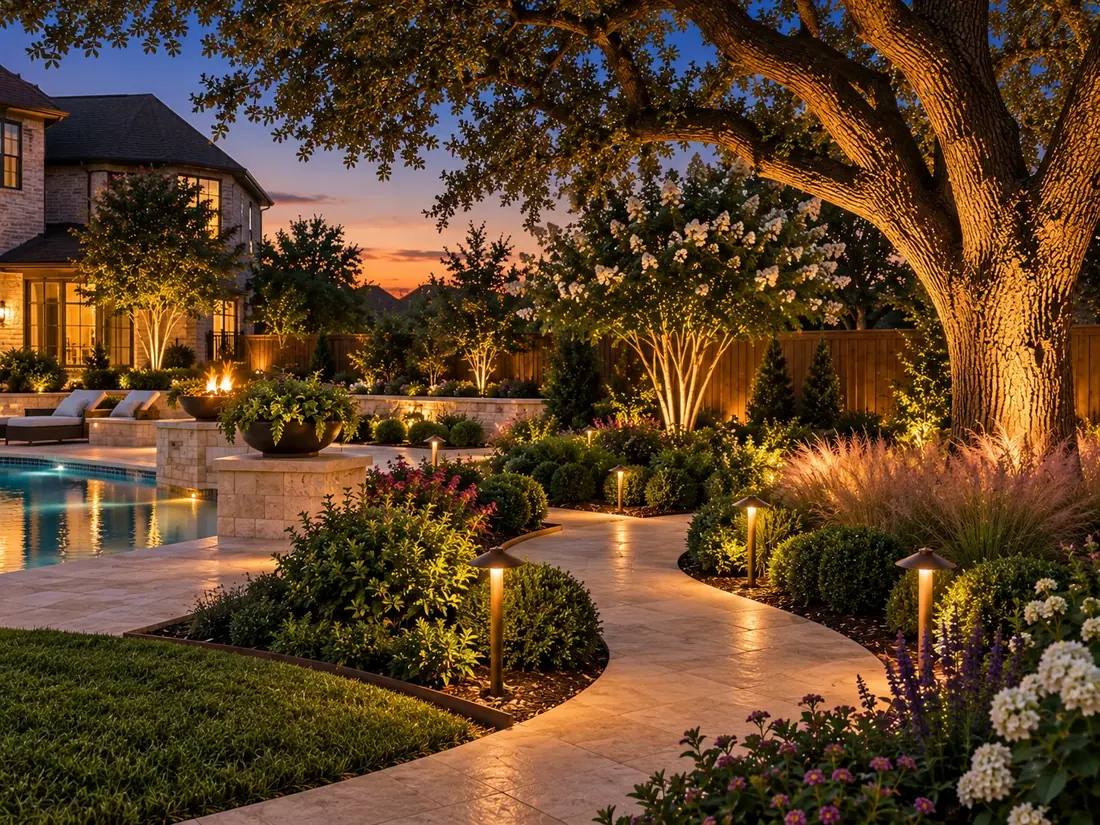
Water-wise planting, irrigation and lighting for North Texas.
Rule was named in honor of William Rule, a railroad official. A post office opened in May 1903, and the first train arrived in 1905. Jones provided land for the townsite.
For a home in a small trade town, a pergola with adjustable louvers lets owners open the roof for winter sun and close it against summer heat.
Haskell County lies about fifty miles north of Abilene on rolling plains between 1,416 and 1,681 feet above sea level. Its average growing season is 232 days, and July highs average 97°.
Water comes from the City of Rule, which treats surface water.
Jones and a partner named Foster invested in a hotel, gins, and other businesses, and Jones organized a bank in 1906, the year the first newspaper began. Rule incorporated on August 31, 1909, and had an estimated 891 residents in 1912. The population grew to 1,347 in 1960.
In the 1980s Rule served as an agricultural and oil trade center. In 1990 residents erected a Veteran’s Memorial Monument bearing the names of more than 800 veterans from the Civil War through the Vietnam War. Rule had 789 people and about twenty-seven businesses in 1991, and 698 in 2000.
NOAA’s Storm Events Database lists 42 hail reports in Haskell County from 2016 to 2025, 35 of them an inch across or larger, with stones up to 2.5 inches. 17 of those reports were logged at Rule itself, the largest 2 inches. The same records show 44 damaging thunderstorm wind reports, with gusts up to about 90 mph, and 6 tornadoes. That is why a patio cover’s roof panels, fasteners and posts here are chosen for hail and wind, not only for shade.
Rolling Plains clay swells when it is wet and shrinks when it dries, and a pool shell is a rigid object sitting in it. The shell, its bond beam and the deck are designed for that movement, and the deck is graded so rain runs away from the pool and the house. In Rule the permit goes through the city or county office that covers Rule, and Longhorn files it and follows it through inspection. More on pools.
On Rolling Plains clay a patio cover’s footings carry the whole structure, and the top of the clay is the part that moves most. Footings are taken below that movement and the slab is graded away from the house, so the roofline stays true as the ground wets and dries. In Rule the permit goes through the city or county office that covers Rule, and Longhorn files it and follows it through inspection. More on patio covers.
A pergola on Rolling Plains clay stays square only if its posts sit below the ground that moves. The footings go deeper than the seasonal swell and shrink, and the grade around each post sheds water instead of holding it. More on pergolas.
A sunroom or screened enclosure in Rule is attached to the house, so it is permitted through the city or county office that covers Rule and sits on footings designed for the ground under it. We match the roofline and the exterior to the house so it reads as part of it. More on sunrooms and patio enclosures.
Almost always, for pools and for anything attached to the house, including patio covers, sunrooms and enclosures. Longhorn files the permit with the city or county office that covers Rule and handles the inspections, so the schedule does not stall on paperwork.
Rule sits on Rolling Plains clay ground in Haskell County. The ground decides how a slab, a pool shell or a footing has to be built, so we plan the drainage and the footings for it at the first visit rather than after something moves.
Every town we serve in Haskell County · See all 334 cities we serve
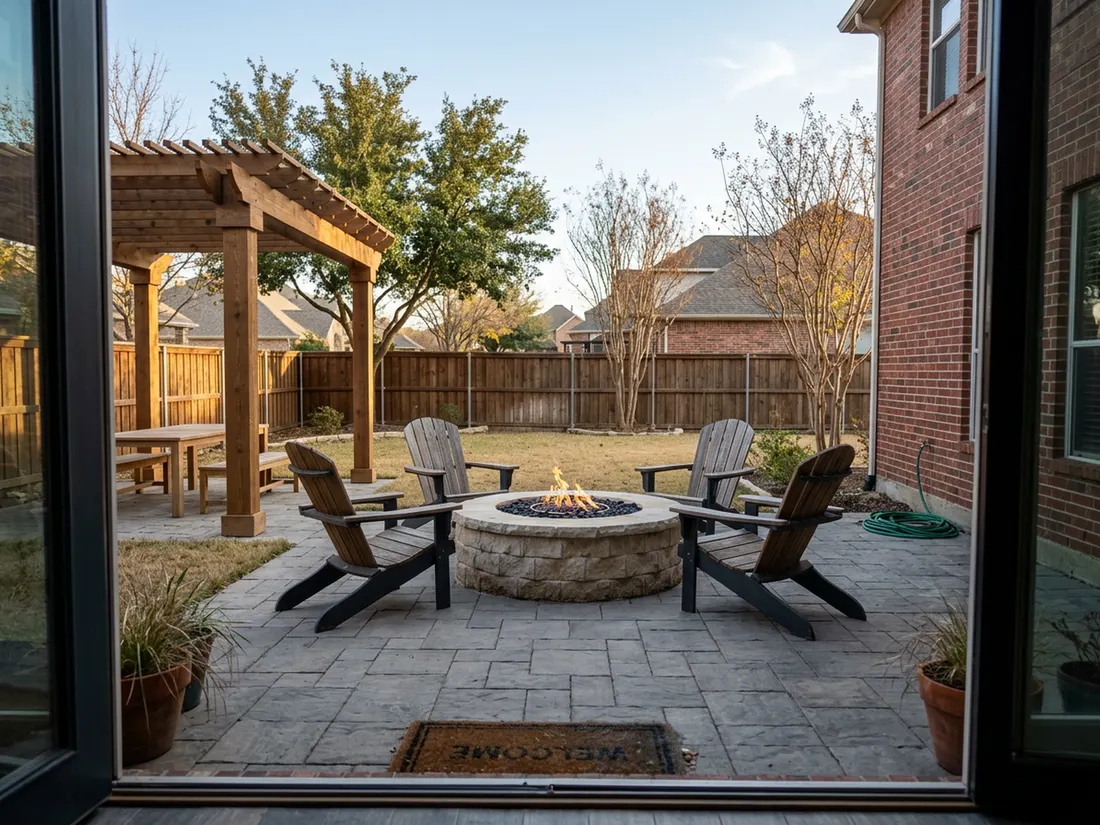
The pit is the easy part. Your city fire code, the county burn order, your HOA and the soil under the base decide whether it gets used. Here is how to plan all four for a DFW yard.
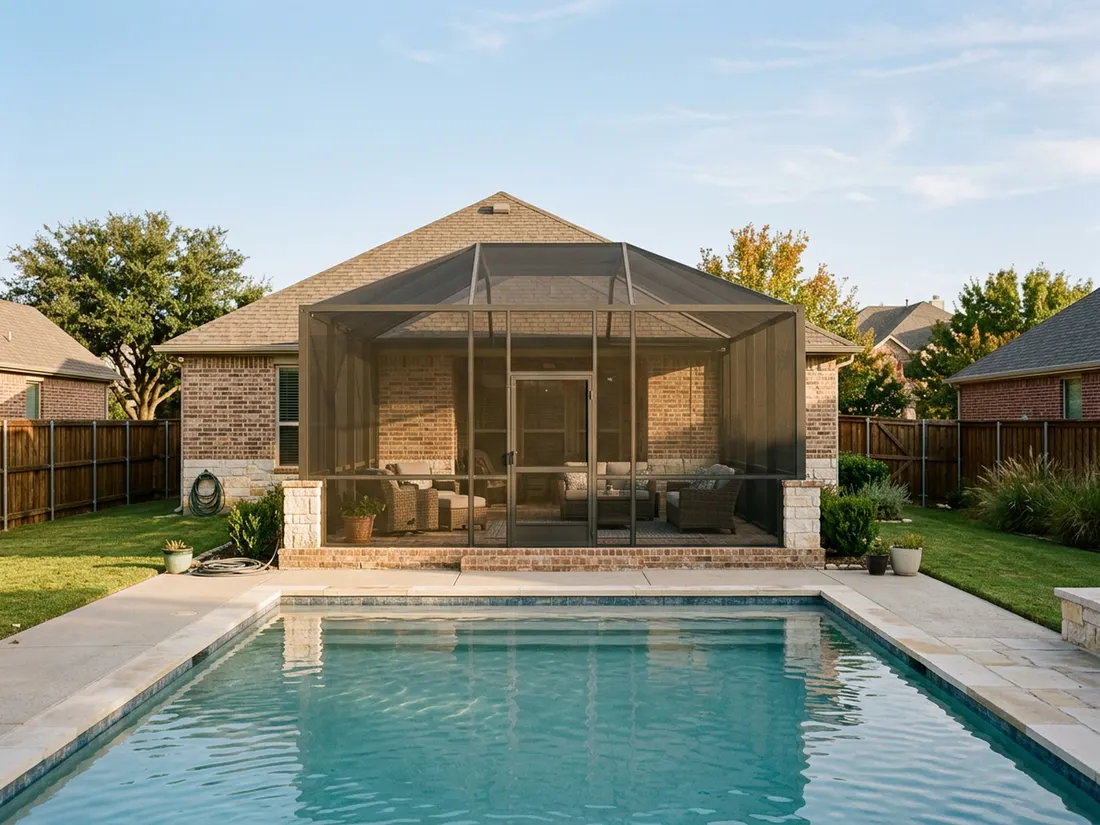
A screen room next to a pool is a good idea that carries one complication nobody mentions in the showroom: it can change where your safety barrier line falls, and that line is inspected.
Tell us what you have in mind and we’ll come measure, talk options and give you a straight number. No obligation, no pressure.
Call (972) 534-27164.8 on Google from 22 reviewsFamily-owned since 1984