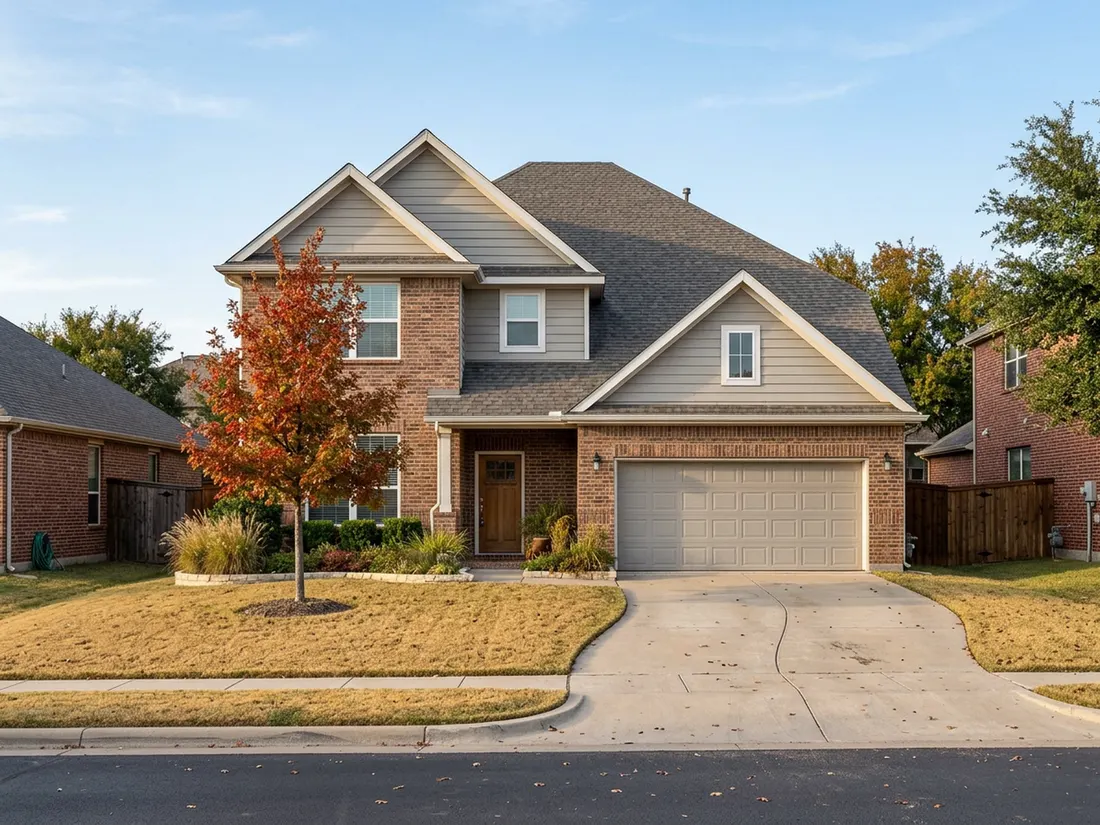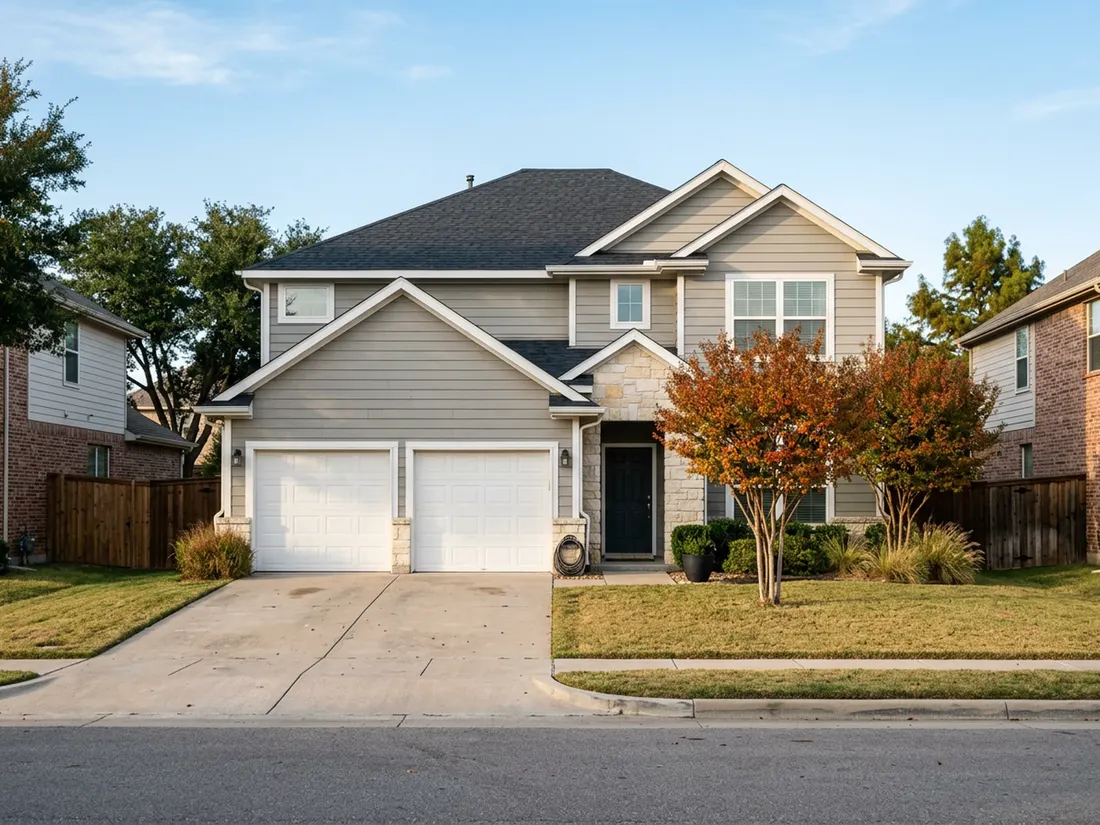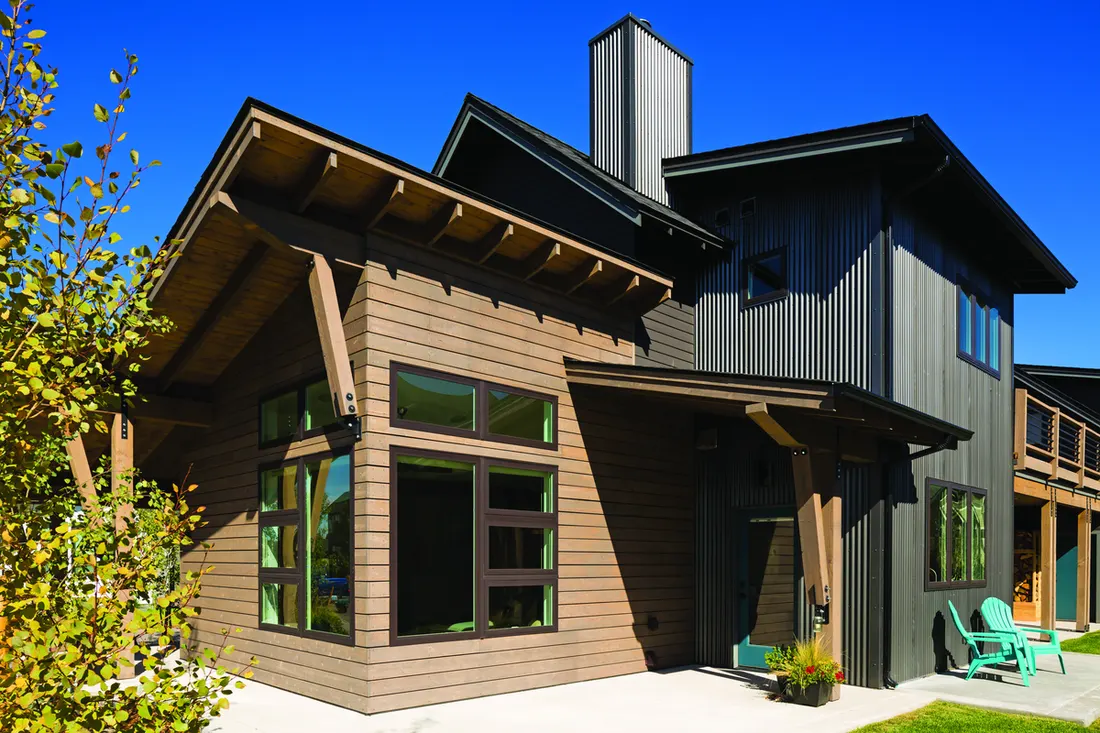

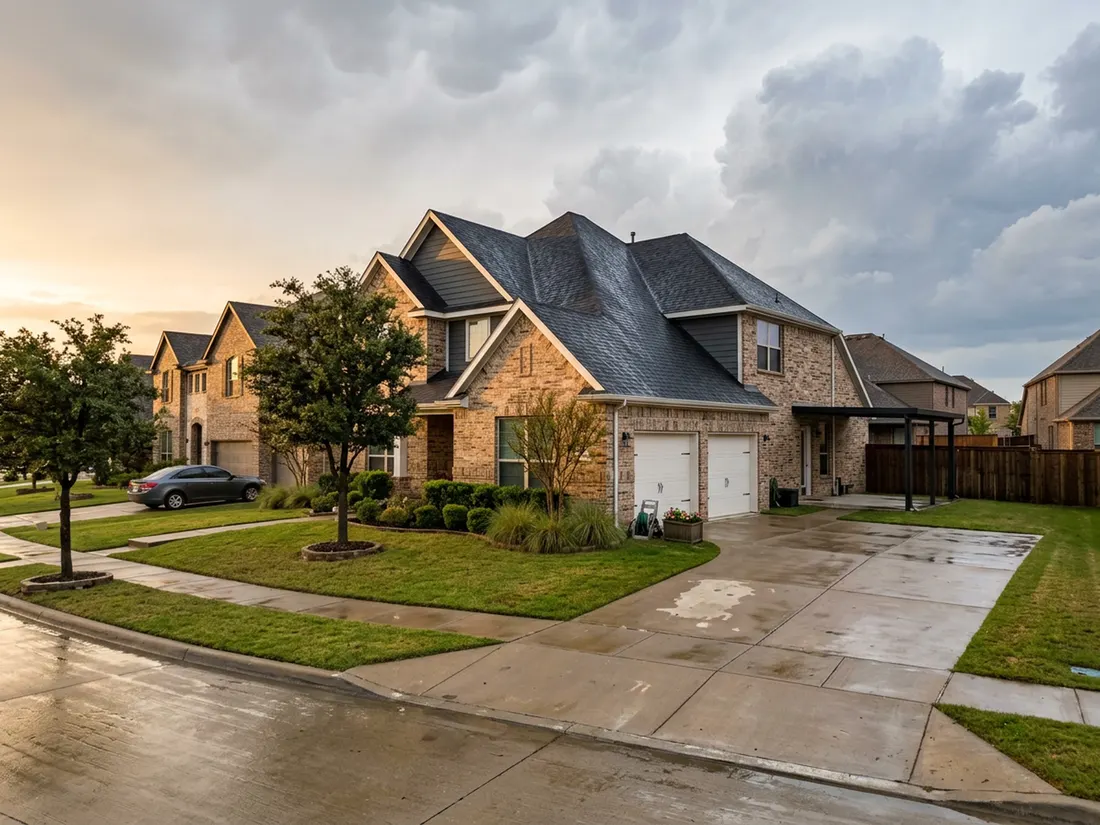
Hail damage is the dents, cracks and bruises falling ice leaves on a home’s roof, siding, windows and outdoor structures. To protect your Frisco home from hail damage, harden each part of the exterior when it comes due for replacement, document everything before March, and read your wind and hail deductible now. No exterior is hail-proof.
A hail-ready exterior is a set of layers: roof, walls, glass, doors and the structures in the yard.
The short answer
- Hail season in Frisco runs mostly from March through June, but hail can fall in any month, so the exterior needs to be ready before spring.
- A Class 4 roof is worth choosing when the roof is due for replacement anyway, but each insurer sets its own discount, so get it in writing before you buy.
- A percentage wind and hail deductible means moderate hail damage can cost you the whole repair, which is why prevention is worth more than claim-chasing.
- The cosmetic damage exclusion can leave you paying for dents on a hardened roof, so read your policy for that clause before you count on an upgrade.
- No siding or window glass is hail-proof, so replace sound materials at their normal end of life and fix cracked, brittle ones first.
- Texas law makes it illegal for a contractor to waive your deductible, so treat a free roof pitch after a storm as a warning sign.
How serious is hail in Frisco, and what does it hit?
Hail is a regular threat in Frisco, mostly from March through June, and it hits far more than the roof. Texas is regularly counted among the leading hail states, and the National Weather Service Fort Worth office tracks North Texas storms through the spring. Wind pushes the stones sideways, so walls, windows, screens and garage doors take hits too.
Hail protection means choosing and maintaining materials so that falling ice does less damage and costs you less when it lands. Frisco has a particular problem. Many homes here went up in the 2000s and after, so roofs, siding and windows are now mid-life and sun-aged. Summer attic and wall heat dries out sealants and makes surfaces brittle, so a spring storm lands on a weaker target than it would have on day one. Longhorn Outdoor Living has built across the metro since 1984, and we see sun-baked material crack where fresh material would only dent again and again.
What should you check on your exterior before hail season?
Walk all four sides of the house before March and write down what is old, brittle or already damaged. Photograph each wall, and make sure your phone saves the date with each photo. The goal is not to replace everything. It is to know which parts fail first and to have proof of their condition before the storm.
| Part of the exterior | What hail does to it | Worth doing now | Worth doing at the next replacement |
|---|---|---|---|
| Roof | Bruises and cracks shingles, loosens flashing | Inspect, trim overhanging branches, fix loose flashing | Class 4 rated shingles, if your insurer gives a credit |
| Siding | Dents, chips or cracks, worst on the storm-facing walls | Replace cracked or brittle panels, reseal open joints | Fiber cement or an impact-rated product |
| Windows and glass | Cracks glass, tears screens, opens failed seals | Repair failed seals and torn screens | Ask about laminated glass options |
| Doors and garage door | Dents thin panels, cracks door glass | Check weatherstripping and glass lites | Heavier steel or fiberglass panels |
| Gutters and downspouts | Dents, loosened hangers | Reseat hangers, clear debris | Heavier-gauge material |
| AC condenser | Bends the fins that move heat | Straighten fins, clear the area | Add a guard where the unit is exposed |
| Patio cover, pergola, screens | Dents panels, cracks thin plastic, tears mesh | Check fasteners and panel condition | Heavier panels or an insulated roof on a new build |
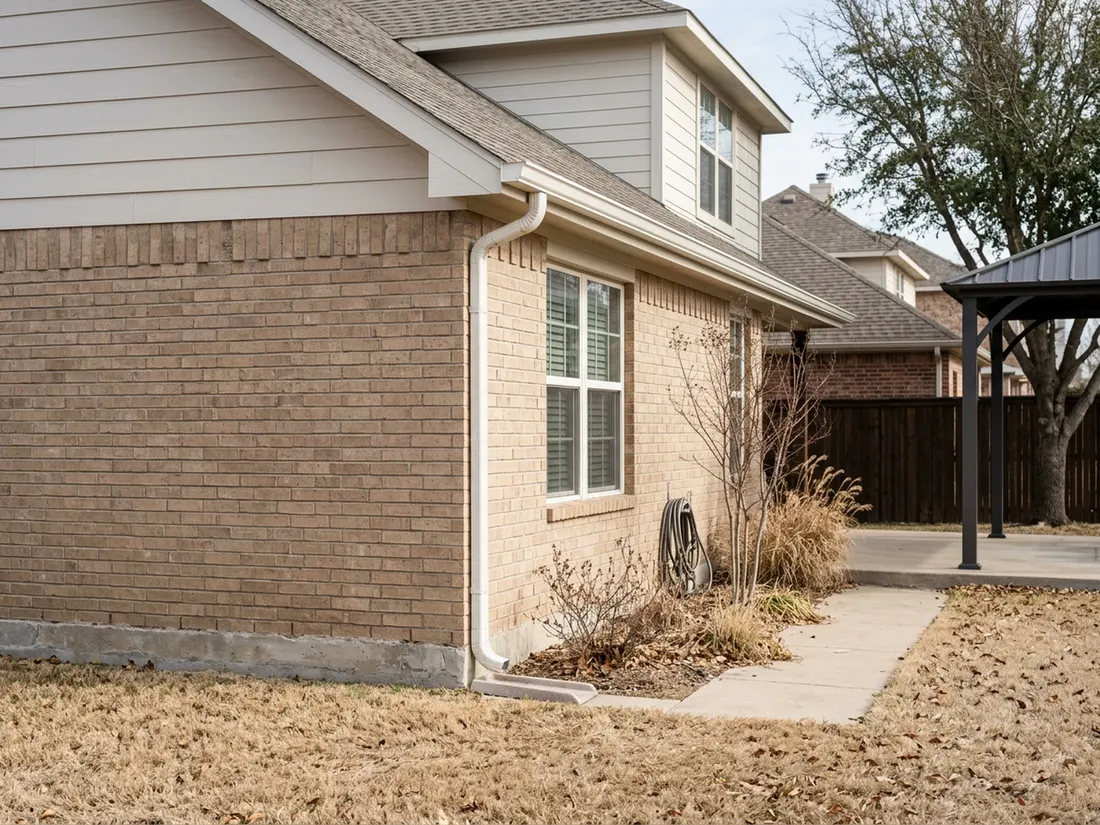
Is a Class 4 roof worth it in Frisco?
A Class 4 roof is worth choosing when you are replacing the roof anyway, and rarely worth tearing off a sound one. Class 4 is the toughest rating in the UL 2218 impact test. The Texas Department of Insurance roofing credit page classifies roofing Class 1 through 4 and says a Class 4 roof would receive the highest premium credit.
Some roofers say Texas law forces insurers to give a set discount. The state’s own page does not say that. Each insurer sets its own credit by roof class, so treat any percentage you read online as a question for your carrier. Ask for the credit in writing, and ask what paperwork they want, often the invoice and the product’s Class 4 certificate. Longhorn Outdoor Living does not install roofs, so a roofer should answer shingle questions. What we can say is that the roof is only one layer of the exterior.
What is a wind and hail deductible, and why does it change the math?
A wind and hail deductible is a separate deductible that applies only to storm claims, and many Texas policies set it as a percentage of your dwelling coverage instead of a flat amount. Find it on your declarations page. Multiply your dwelling coverage by that percentage, and the result is the first slice of every storm claim that you pay yourself.
A moderate storm can leave repairs below that line, so the policy pays nothing. That is the real case for prevention. Repairs under the deductible are all yours, so a material that dents less or cracks less saves your own money, not just the insurer’s. Also check whether the roof is paid at replacement cost or actual cash value, because actual cash value subtracts for age.
What is the cosmetic damage exclusion, and can it cancel your upgrade?
The cosmetic damage exclusion is a policy clause that refuses to pay for dents or marks that do not change how a surface works. If hail dents a metal roof or Class 4 shingles without cracking them, a policy with the exclusion pays nothing for the marks. Ask your agent in writing whether your policy has this clause.
This is the catch with hardening. A tougher product may crack less, but you may still pay for dents you can see. Decide whether you can live with a dimpled surface before you pay extra for an upgrade. If you cannot, the clause matters more than the discount.
Which siding holds up best to Frisco hail?
No siding is hail-proof, and no material wins in every storm. Fiber cement is dense and tends to dent less, but it can chip or crack at edges. Vinyl can crack or crease, especially when old and brittle. Pick the material whose failure you can live with, then keep it sealed and maintained.
Our post on the best siding for Texas heat, hail and freezes compares the options in more detail. If you want the dense option, Hardie fiber cement siding is the line we install. Walls facing the usual spring storm direction, often west or northwest, take the worst of it, so inspect those first.
Do not tear off sound siding to get ahead of a storm. Replace panels that are already cracked, brittle or hail-marked, and upgrade the material when the wall is due. Clay movement also opens caulk joints around trim and windows, so reseal after a storm instead of assuming the old bead still holds.
How do you protect windows, doors and screens from hail?
Film, shutters and screens all help in different ways, and none makes glass hail-proof. Film holds a cracked pane together. Shutters or protective screens keep the stone off the glass. Laminated glass is the real upgrade, and it belongs at your next replacement, not before.
After any storm, check each window for pinhole cracks, torn screens and fogging between the panes, which means the seal failed. When it is time to replace, ask about glass options for our Andersen 400 Series windows and what the manufacturer’s warranty says about hail. Do not expect a warranty written for defects to cover storm damage.
A storm door adds a layer in front of an entry door, but it helps with heat more than it helps with hail. Garage doors are the larger worry, because thin steel panels dent and glass lites crack. Photograph the garage door with the rest of the house, since it counts as part of the exterior.
Can hail damage a patio cover, pergola or AC unit?
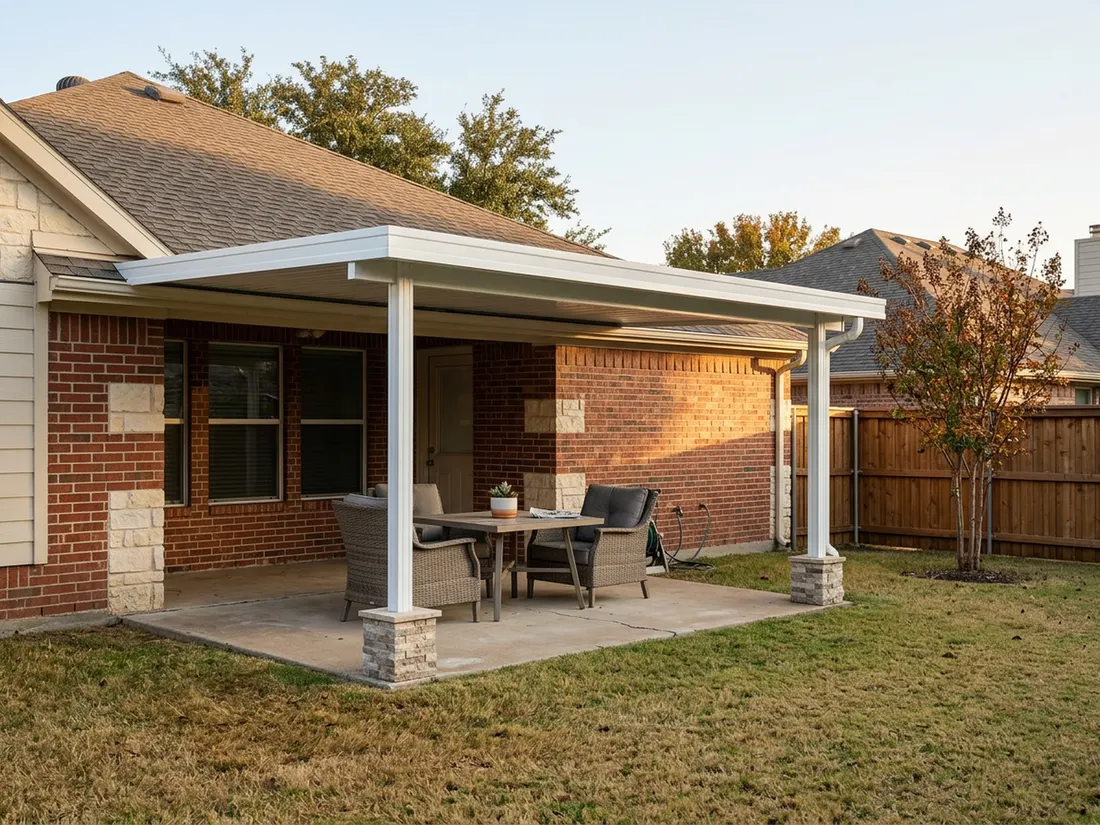
Yes. Open pergolas let most hail pass between the slats, though the finish and any shade fabric take hits. Solid patio roofs, screens and AC fins are fully exposed. Heavier-gauge panels dent less, while thin panels and clear plastic crack first.
Outdoor structures are a layer many roofer pages skip. If you are planning a patio roof or cover, ask what panel gauge and fastener pattern the quote includes, since those decide how it handles a storm. Our guide to patio cover materials in Texas compares how each roof handles hail, heat and upkeep. Put the cover in your before-and-after photos too.
Do you need a permit and HOA approval to replace a hail-damaged roof or siding in Frisco?
Check both before you sign anything. The City of Frisco publishes its rules on the residential permits page, and you should ask the city whether your project needs a permit and whether your contractor must be registered. Many Frisco HOAs also want an architectural review, even for a same-color match.
Texas Property Code 202.011 limits what an HOA can do about wind and hail resistant shingles, but only when specific conditions are all met. Read the statute before assuming it covers you. Local contractor pages disagree on permit fees and underlayment rules, so call the city’s building inspections office for current requirements instead of trusting any blog, including this one. Our post on HOA approval for a patio cover walks through the same review process.
What should you do after a hailstorm, and should you file a claim?
Document first, then compare the repair estimate to your deductible, then decide on a claim. Texas Department of Insurance guidance for hail and windstorms also warns you to avoid contractors who offer to waive your deductible, because that is illegal under state law. A free roof pitch after a storm is a warning sign.
- Stay off the roof and photograph from the ground, wide shots first, then close ones, on all four sides, with the date visible.
- Check siding, windows, screens, the garage door, gutters, AC fins and any patio cover or pergola.
- Get a written estimate from a contractor you can verify, and compare it to your deductible before calling the insurer.
- Read your policy for its notice and filing deadlines, and ask your agent if the wording is unclear. Deadlines vary, and your policy’s own clause may be shorter than you expect.
- Keep damaged pieces until the adjuster has seen them.
Not every storm needs a claim. A claim for repairs below your deductible pays nothing, and some contractor pages say claims can stay on your record. Ask your agent how a claim affects renewal before you file. A strong set of before photos helps the claims you do file go smoothly.
What is a realistic hail checklist by season?
Do the paperwork in winter, the inspection in early spring and the repairs right after each storm. Hardening upgrades belong with whatever is due for replacement. This split keeps you from paying early for materials that were still fine.
- January and February: Find your wind and hail deductible and roof payment basis. Photograph every wall, the roof from the ground, windows, doors and outdoor structures.
- March through June: This is the main hail window. Trim branches, secure loose items, and keep your agent’s number and your photos handy.
- After each storm: Walk the exterior, photograph new damage and get a written estimate before deciding on a claim.
- July through September: Heat ages sealants and finishes. Reseal joints, re-caulk trim and fix torn screens.
- October and November: Plan replacements for what failed. This is the calm season to get quotes and HOA approvals done before spring.
Thinking about this for your own home? See how Longhorn builds siding.
Questions we get asked about this
Hail in North Texas is most common from March through June, though it can fall in any month. A before-season check in February helps. The National Weather Service Fort Worth office posts local forecasts and storm reports.
They are worth it when the roof is due for replacement and your insurer confirms a premium credit in writing. They are rarely worth replacing a sound roof early. Check whether your policy has a cosmetic damage exclusion, because it can cancel part of the benefit.
Policies generally cover sudden hail damage to the house, siding, windows and gutters, subject to your deductible and exclusions such as cosmetic damage. Coverage for fences and outdoor structures varies. Read your declarations page and ask your agent which parts of your exterior are covered and at what payment basis.
No. The Texas Department of Insurance warns homeowners to avoid contractors who offer to waive or absorb a deductible, because it is illegal under state law. A contractor who promises a free roof is a warning sign. Pay your deductible and keep a written estimate and invoice.
The deadline depends on your policy, and some are shorter than homeowners expect. Check your policy and the Texas Department of Insurance guidance, or ask your agent for the exact notice period. Report damage promptly instead of waiting, because delay makes it harder to link damage to a specific storm.
Film helps hold a cracked pane together and limits flying shards, but it does not stop a hailstone or make glass hail-proof. Shutters or protective screens keep the stone off the glass. Laminated glass, installed at a normal replacement, is the stronger long-term choice.