
Are energy-efficient windows worth it in Texas? Yes for single-pane, failed-seal or west-facing glass, and usually no for sound double-pane windows. North Texas cooling bills come mostly from afternoon sun, so low-SHGC glass on the west and south walls earns the money. Whole-house swaps rarely pay back on electricity alone.
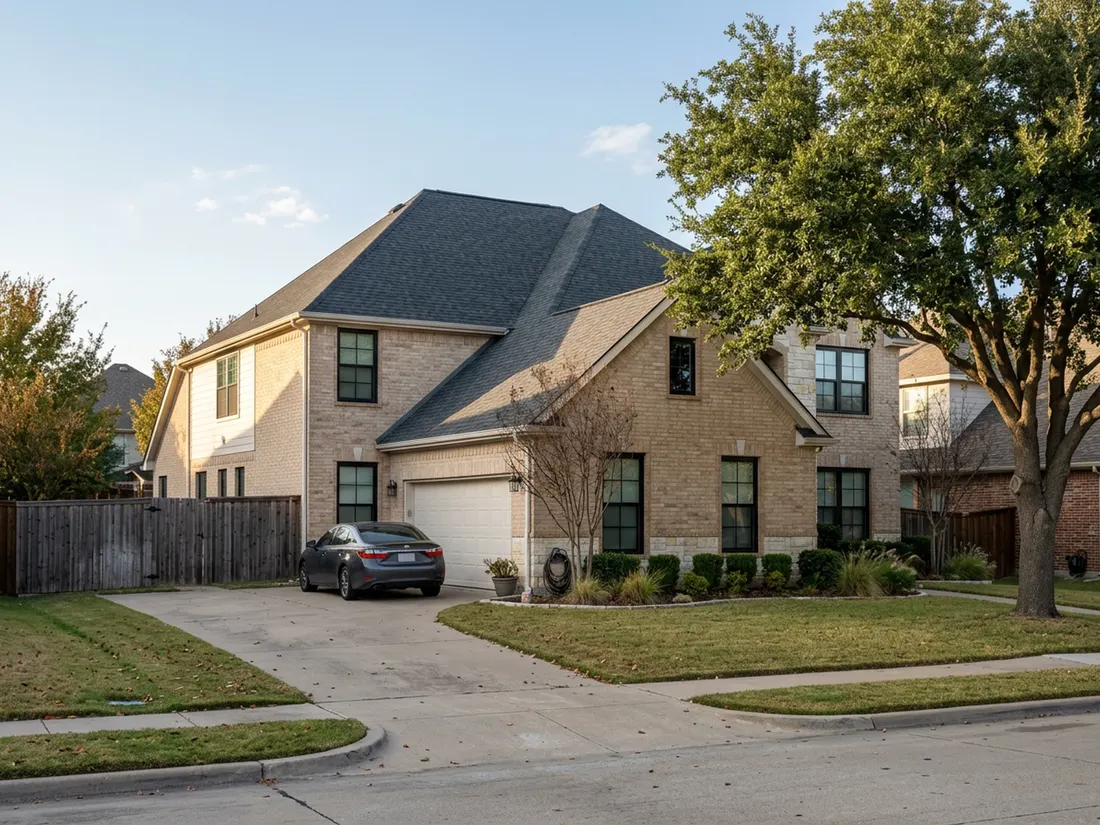
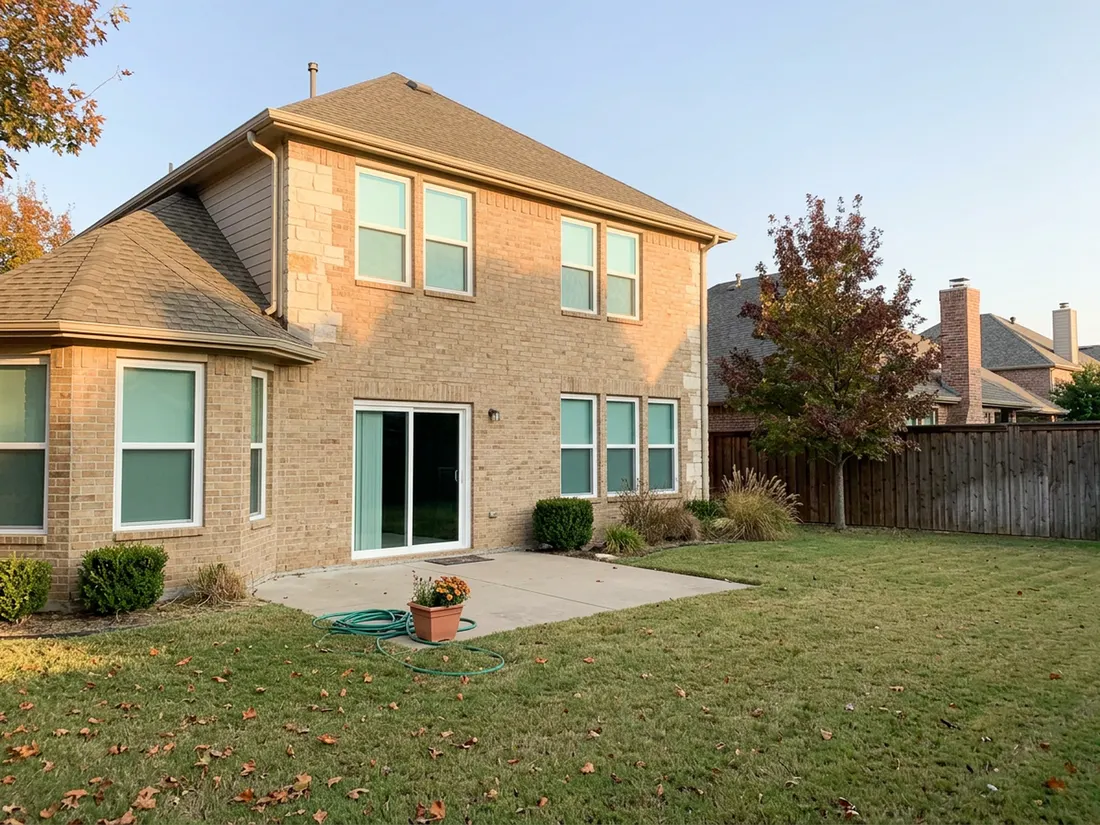
The west wall is where new glass earns its keep in North Texas.
The short answer
- New windows are worth it in Texas when the old ones are single-pane, have failed seals with rotting frames, or put large west-facing glass in the afternoon sun.
- Sound double-pane windows rarely pay back on electricity alone, so the case for replacing them rests on comfort, noise and condition.
- In North Texas a low solar heat gain coefficient (SHGC) matters more than the lowest U-factor, and triple-pane glass is usually not worth the extra cost here.
- The federal 25C credit for windows ended for installs after December 31, 2025, so no federal credit applies to 2026 projects.
- Film, glass-only replacement and attic insulation are often cheaper first moves, and each fits a different problem.
- Clay soil east of I-35 can push openings out of square, so ask any installer how they measure and flash every opening.
Are energy-efficient windows worth it in Texas?
Yes for single-pane, failed-seal or sun-baked west-facing glass, and usually no for sound double-pane windows in good shape. In North Texas the cooling bill is the prize, so the glass that faces west and south earns the money. Replacing every window in a 1998 subdivision home to save on electricity rarely pays back by itself.
An energy-efficient window is a window whose glass and frame are rated to slow heat flow and cut solar heat gain, as shown on labels from the National Fenestration Rating Council (NFRC) and the ENERGY STAR program. Two numbers carry most of the meaning. U-factor measures how fast heat moves through the window. Solar heat gain coefficient, or SHGC, measures how much of the sun’s heat comes through the glass.
| What you have now | Our verdict | Why |
|---|---|---|
| Single-pane glass or old aluminum frames | Replace, west and south walls first | The widest gap between old and new performance, so the largest saving |
| Double-pane with fogged glass, frame still square and sound | Replace only the glass units | A failed seal costs comfort, but it does not let water into the wall |
| Sound double-pane, clear glass, no drafts | Film on the west glass, or leave alone | Little left to gain on a whole-house swap |
| Working Low-E double-pane | Leave alone | Nothing meaningful left to buy |
| Large west-facing slider or sunroom glass | Replace first, whatever else you do | One big sun-facing opening costs more in cooling than several shaded ones |
How much will new windows cut a DFW electric bill?
Less than most quotes suggest if your windows are already double-pane, and noticeably more if they are single-pane or sit on a west wall. We will not put a dollar figure on it. Savings depend on glass area, orientation and what the old glass lets in, and published figures vary a lot from source to source.
Cooling is the big load on a North Texas house in summer. Afternoon sun through glass turns into heat the air conditioner has to remove, and that is what SHGC measures. Every long run of triple-digit afternoons shows which rooms cannot keep up. Often they are the ones with big west glass.
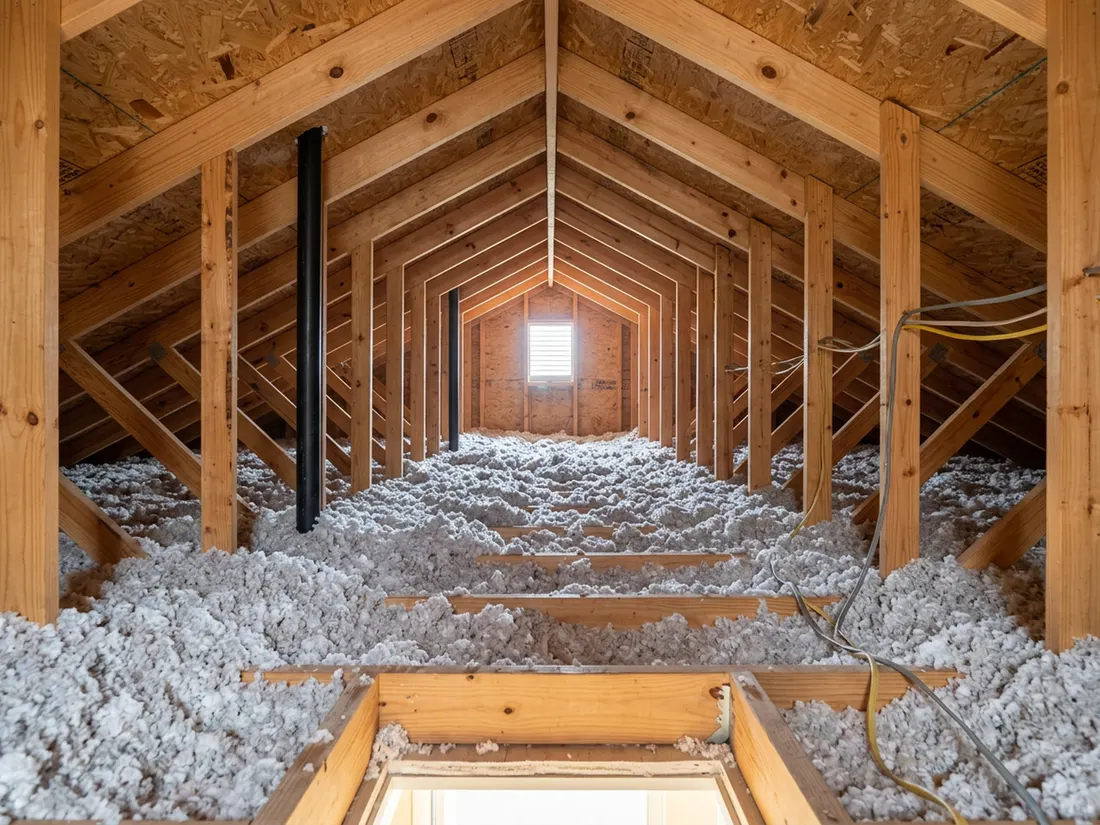
Windows are one piece of a house that also includes the attic, the ducts and the air leaks. If the attic is thin, attic insulation R-value in Texas is usually the cheaper first move, and it should come before a whole-house window quote.
How long do new windows take to pay for themselves in Texas?
For a whole-house swap of working double-pane windows, independent math often lands past the life of the windows. Contractor claims of a few years tend to describe glass-only work on failed units or the replacement of true single-pane glass. Both can be honest because they start from different windows.
ENERGY STAR publishes expected savings by climate zone for replacing single-pane with double-pane windows. Many DFW homes built in recent decades already have double-pane glass, so the starting point in most subdivisions is not single-pane. That shrinks the saving, and the payback stretches with it.
Work your own number instead of trusting anyone’s headline. Here is the method we would use at the kitchen table.
- Get the quote in writing, broken out by wall or by opening, not as one lump.
- If you plan to sell, subtract what you expect to recover at sale to get your net cost (see the next section). If you plan to stay, use the full quote.
- Pull your last twelve months of electric use, then ask the contractor to show how they reached their yearly saving.
- Divide net cost by yearly saving and compare the answer with how long the windows will last.
As pure arithmetic, a net cost thirty times the yearly saving is a thirty-year payback. If your answer is longer than you will own the house, the case for the project rests on comfort, noise and condition, not the bill. Our breakdown of what sets replacement window prices in Texas shows which quote lines you can actually change.
Do new windows increase home value in Texas?
They recover a good share of their cost at sale, but not all of it. The 2025 Cost vs. Value report put vinyl window replacement in the West South Central region at 75.5 percent recouped. That is a regional figure, not a Dallas–Fort Worth one, so check the metro number before you lean on it.
Resale recovery changes the math in your favor, but only if you sell. Net cost is what you paid minus what the house gains, so payback on a sale looks shorter than payback on a house you keep for twenty years. Failed seals, painted-shut sashes and rotted sills also tend to show up on a buyer’s inspection, and replacing them takes a negotiating point off the table.
Which window specs matter most in North Texas: SHGC, U-factor or Low-E?
SHGC comes first and U-factor second. A Low-E coating is the layer that lowers SHGC, so ask for it by name. In a cooling climate the sun’s heat is a bigger problem than a cold night, so a low SHGC pays more than chasing the lowest U-factor.
- SHGC: choose the lowest you can get on west and south glass. North-facing glass sees little direct sun and can use a clearer, higher-SHGC option for daylight.
- U-factor: a double-pane Low-E unit brings most of the improvement. Pushing further costs more than it returns here.
- Argon fill: a modest help, worth having when it is standard and not worth a big upcharge.
- Frame: vinyl, fiberglass or composite beat bare aluminum, which conducts heat straight through.
- Grids and specialty colors: these raise the price and do nothing for performance.
ENERGY STAR sets different targets for different climate zones, and Texas does not sit in a single zone. Check the zone map on energystar.gov for your county. Then compare the NFRC label on the exact glass package. Andersen 100 Series and 400 Series windows carry ratings by glass option, so the number to compare is the glass package, not the series name. Our Andersen series comparison for DFW covers the differences.
Are triple-pane windows worth it in Texas?
Usually not. A third pane mainly lowers U-factor, which helps in cold climates, while North Texas cost is driven by solar heat. The extra price and weight buy little here. The exception is noise.
If your house sits near a freeway or under a flight path, sound is the real reason to pay more. Thicker or laminated glass and a tight installation do more for noise than the pane count alone. Our post on the best replacement windows for reducing outside noise goes through those options. Otherwise, put the money into a lower SHGC on the west wall.
Is there still a federal tax credit for energy-efficient windows in 2026?
No. The federal Energy Efficient Home Improvement Credit, known as 25C, ended for property placed in service after December 31, 2025. Windows installed in 2026 do not qualify. Windows installed in 2025 can still be claimed on a 2025 return.
Some older rebate pages may still list the credit as live, so check the IRS page on the home improvement credit before you count on it. Oncor runs its Take a Load Off, Texas program in much of North Texas. As far as we know, its incentives are for air conditioning equipment, not windows, and program funds can run out. Call before you assume a window rebate, and ask by your address.
Should you replace the windows, replace only the glass, or add film?
Match the fix to the failure. Fogged glass in a square, sound frame points to glass-only replacement. Sound double-pane windows that let in too much afternoon sun point to film on the west glass. Rotted, racked or drafty frames point to full replacement.
- Glass-only: right when the frame is square and solid. A failed seal clouds the glass and loses insulating value, but it does not damage the wall.
- Window film: right for sun on sound windows. It does nothing for a draft or a stuck sash, and it will not clear a fogged unit. Check the glass warranty before film goes on.
- Full replacement: right for rot, racked frames, failed balances or single-pane glass.
- Attic insulation or shade screens: often the cheapest first step. Both are worth pricing before any window quote.
Treat any payback promise that does not state the number of windows and your actual bill as a sales number. Film and glass-only sellers often quote very short paybacks, and those claims rarely come from a neutral source.
Which windows should you replace first?
West glass first, then south, then any oversized slider or sunroom glass. North-facing and shaded windows come last, and often never. A staged plan beats a full swap when the budget is tight.
- West-facing windows in living areas, where afternoon sun is hardest on the air conditioner.
- South-facing windows, especially those with no overhang.
- Large sliding doors and sunroom glass, where one big opening carries a lot of heat.
- Any window with a rotted frame or a failed unit, whatever direction it faces.
- The rest, when budget or condition calls for it.
At Longhorn Outdoor Living we have built in DFW since 1984, and we would rather start with the rooms that are miserable at four in the afternoon. Often that is just two or three openings. Plan the order before you plan the whole house.
How do clay soil and hail change what you buy and how it is installed?
Blackland Prairie clay moves, so installers have to measure every opening for square, and hail means choosing glass and screens with that risk in mind. Both come down to installation quality and choice of glass, not extra features.
East of I-35 in Dallas, Plano, Frisco, Garland and Rockwall, expansive clay swells through wet springs and shrinks in dry summers. Over decades that can push window openings out of square. A good installer measures width, height and both diagonals at every opening, shims for the real opening rather than the nominal one, and uses flexible sealant and proper flashing. West of the Trinity in Fort Worth and Weatherford, thinner soil over limestone and sand often moves less.
Hail is a regular fact of life in Tarrant and Dallas counties. Laminated or impact-rated glass lowers the odds of a cracked pane, but it is risk reduction, not a guarantee. Ask your insurer whether it changes your premium or deductible before you pay extra for it.
Do you need a permit to replace windows in Dallas and other DFW cities?
It depends on the city and the work. A same-size swap in the same opening is treated differently from enlarging an opening, and rules vary among Dallas, Plano, Frisco, Arlington and Fort Worth. Call your building department before you sign.
Bedrooms generally need to keep a window that meets the residential code’s emergency escape and rescue opening rules, so a fixed picture window cannot simply stand in for a bedroom casement. Ask your building department how that applies to your project. HOAs may also limit frame color and grid style. A contractor who pulls the permit and handles the HOA paperwork saves you a second visit.
What should you ask a DFW window contractor before signing?
Ask for the NFRC label numbers for the exact glass package, who measures each opening, and who pulls the permit. A clear answer to those questions screens out many weak quotes.
- What is the SHGC and U-factor on the label for the glass on my west wall?
- How do you measure for square in a clay-soil house, and what do you do about an out-of-square opening?
- Which windows would you leave alone, and why?
- How is the quote split by wall, so I can stage the work?
- What does the warranty cover on the glass, the frame and the installation?
The honest answer to “are they worth it” is that it depends on what you replace. Replace the glass that faces the afternoon sun and the units that have failed. Leave the sound ones alone until the numbers or the condition say otherwise.
Thinking about this for your own home? See how Longhorn builds replacement windows.
Questions we get asked about this
It depends on what you replace. Single-pane glass and west-facing windows save the most, while swapping sound double-pane windows saves little. Savings come mostly from lower solar heat gain in summer. Ask a contractor to show how they reached any figure, using your last twelve months of electric use.
For a whole-house swap of working double-pane windows, independent calculations often run longer than the life of the windows. Short paybacks tend to describe glass-only work on failed units or true single-pane glass. Divide your net cost by your estimated yearly saving to get your own answer.
Pick the lowest SHGC you can get on west and south glass, with a Low-E double-pane unit for the U-factor. ENERGY STAR targets vary by climate zone, and Texas is split across zones, so check the zone map for your county. Compare the NFRC label on the exact glass package.
As far as we know, Oncor’s current incentives are for air conditioning equipment, not windows, and program funds can run out. Availability changes, so call and ask by your address before you count on a rebate. The federal 25C window credit also ended for installs after December 31, 2025.
Laminated or impact-rated glass lowers the odds of a cracked pane in a hail event, but it is risk reduction, not a guarantee. Frames, screens and the installation still matter. Ask your insurer whether the upgrade changes your premium or deductible before you pay extra for it.
Yes. Expansive clay east of I-35 can push window openings out of square over the years. A good installer measures width, height and both diagonals at every opening, shims to the actual opening, and uses flexible sealant and proper flashing so the window works properly despite that movement.